Cladding.

Claddings chosen for character and longevity, not constant upkeep, from timber weatherboards to weathering steel, plaster and schist stone.

A skin that suits the site, and lasts.

Cladding does two jobs at once. It sets the character of the home, the first thing you see from the road, and it does the hard, unglamorous work of keeping the wall dry for decades. We choose it for both, and we detail it so the wall behind it stays dry and healthy.

Everything we clad sits on a drained and vented cavity over a rigid air barrier, taped and sealed. That cavity lets any moisture that gets past the surface drain and dry, so the structure behind stays dry. It is the same thinking as our work on airtightness, just on the outside of the wall.

Systems we specify

Premium exterior cladding.

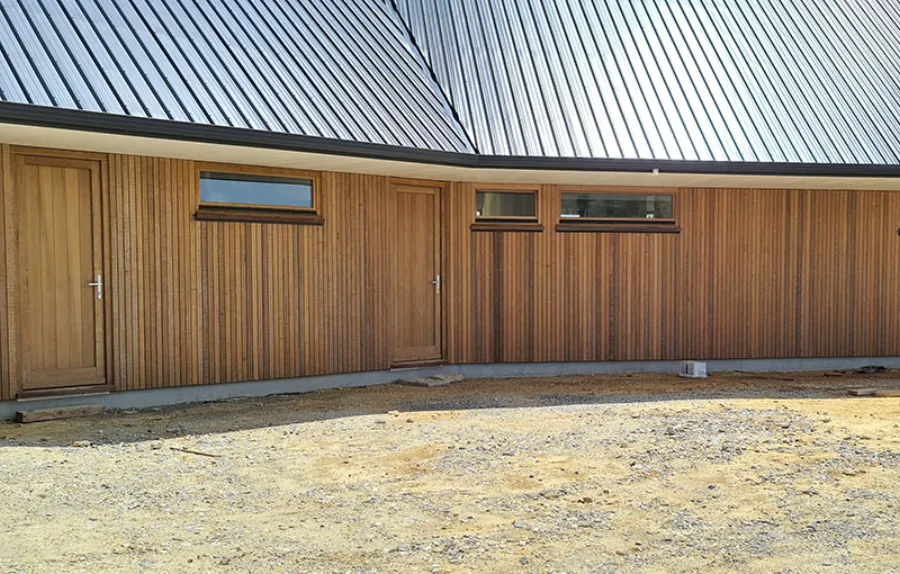
Hermpac vertical shiplap timber weatherboard cladding

Hermpac: vertical shiplap weatherboards

Hermpac offer quality vertical shiplap weatherboards in a wide range of standard profiles. These popular off-the-shelf profiles give designers and specifiers extra freedom and creative scope to meet individual needs.

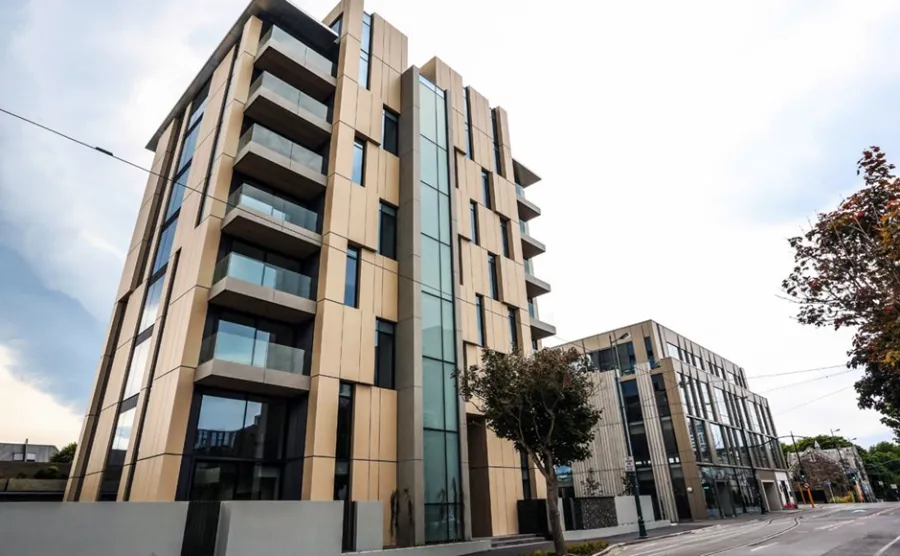
Weathering-steel rainscreen cladding with a deep patina

Thermosash: weathering steel

Via the natural weathering process the surface rusts and creates a protective layer, producing a deep brown patina that varies slightly over time. As a facade cladding it is used as a rainscreen element on a Thermosash engineered rail system over a cavity wall with a rigid air barrier.

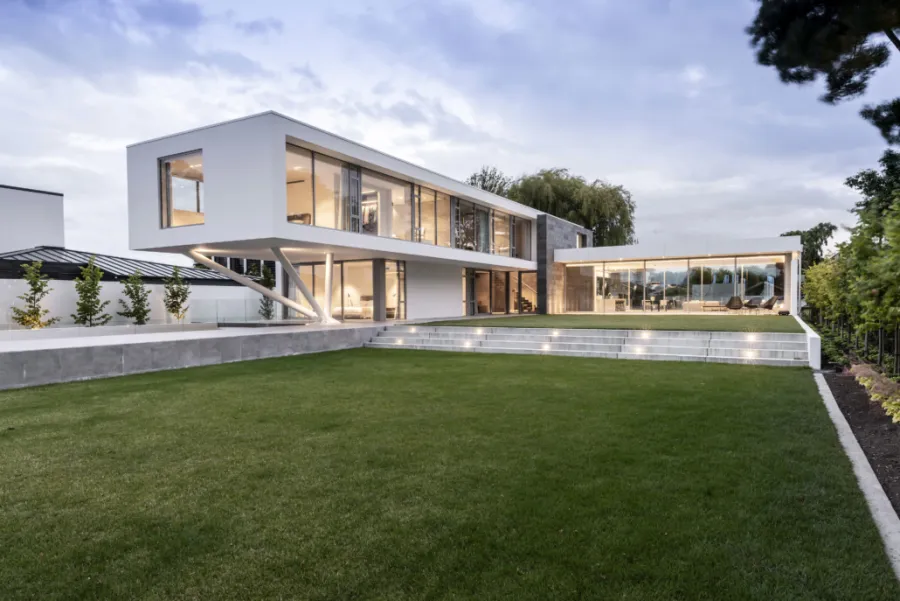
James Hardie cladding on a contemporary architectural home

James Hardie: cladding products

A safe, secure home requires strength, reliability and compatibility. Whether you're growing your home, revamping your exterior or planning a new design and build, you're sure to find your perfect match in the James Hardie range of claddings.

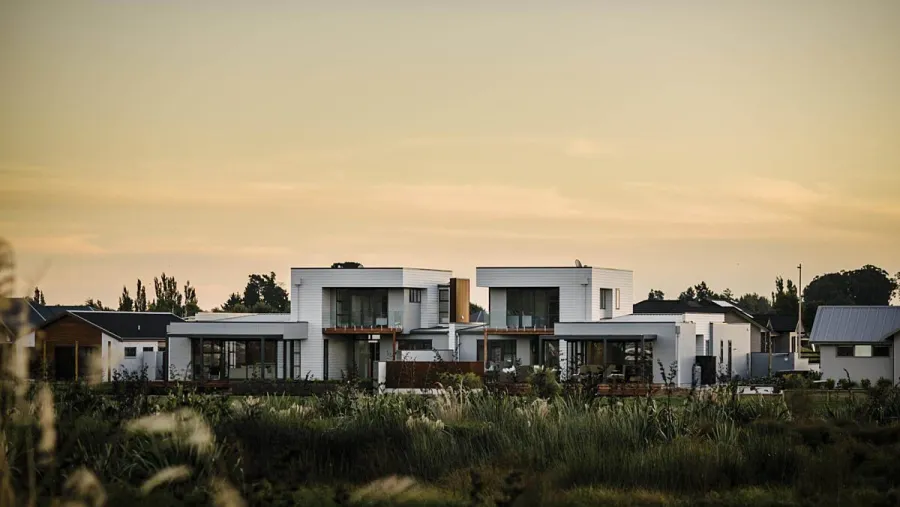
Resene Construction exterior plaster cladding on a white home

Resene Construction: exterior plaster cladding

Resene Construction Systems provide advanced plaster cladding solutions made in New Zealand, incorporating Rockcote and Plaster Systems. They comply with current building-code requirements, are durable, and finished in the Resene colour of your choice.

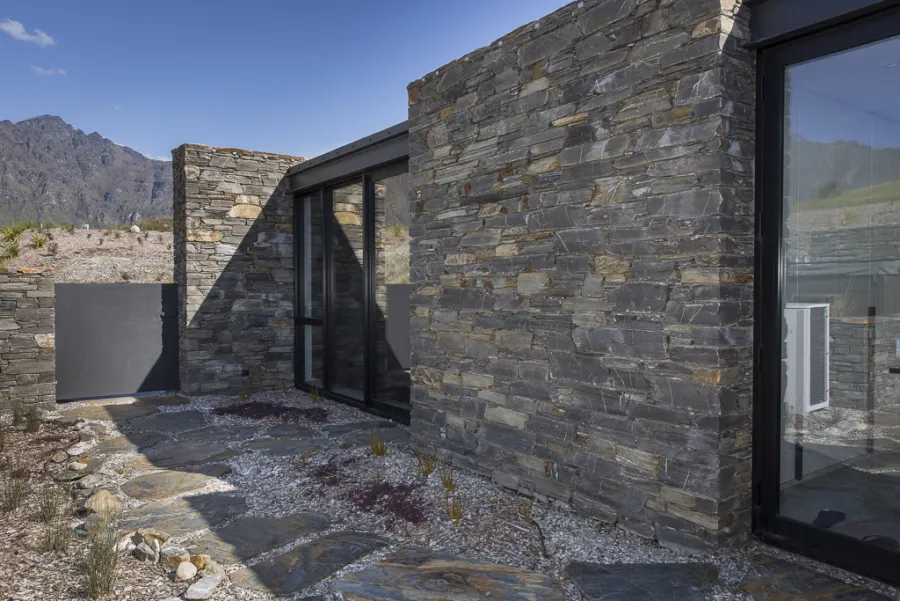
Natural Wanaka Stone schist feature wall

Wanaka Stone: schist

Natural schist stone for striking feature walls and facades, a premium, enduring material that roots a home in the New Zealand landscape.

The claddings we work in

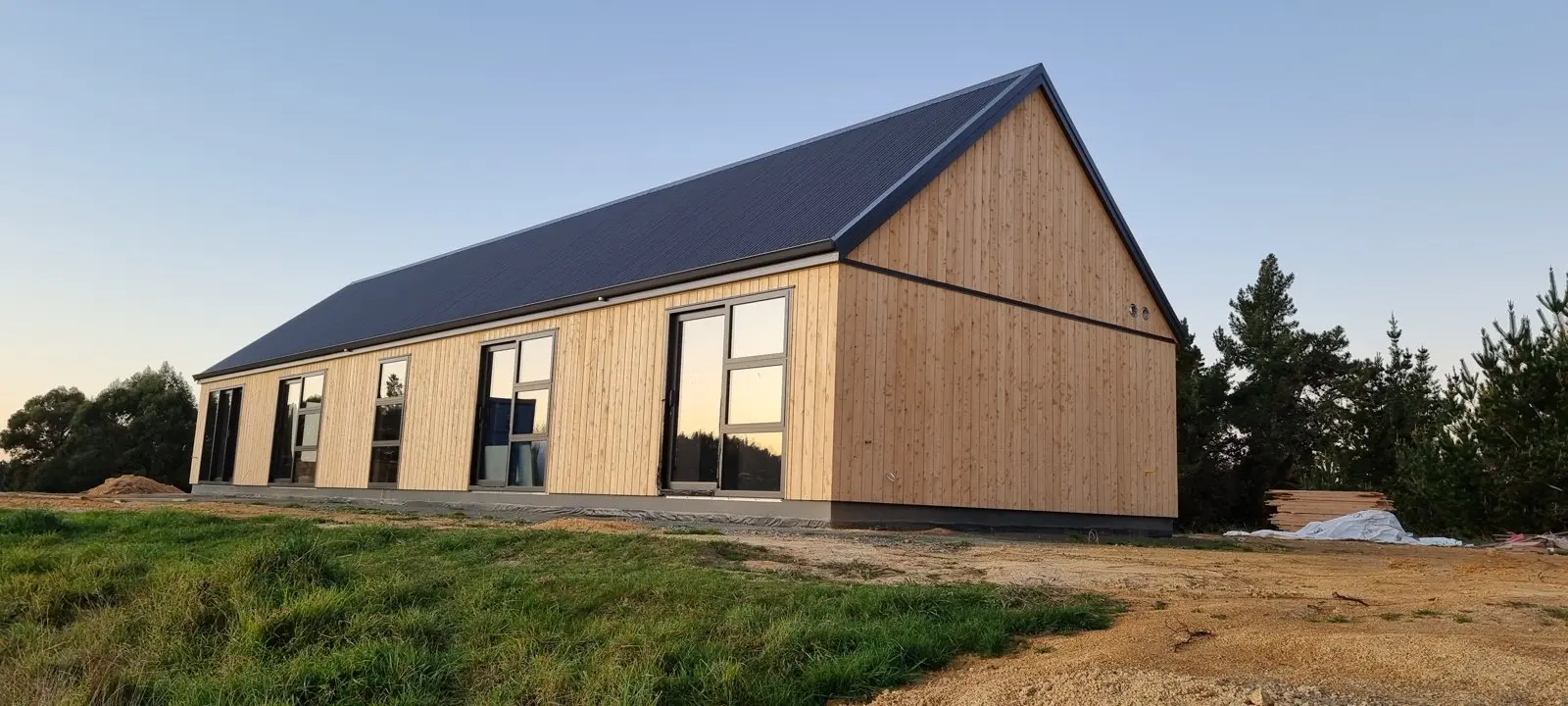
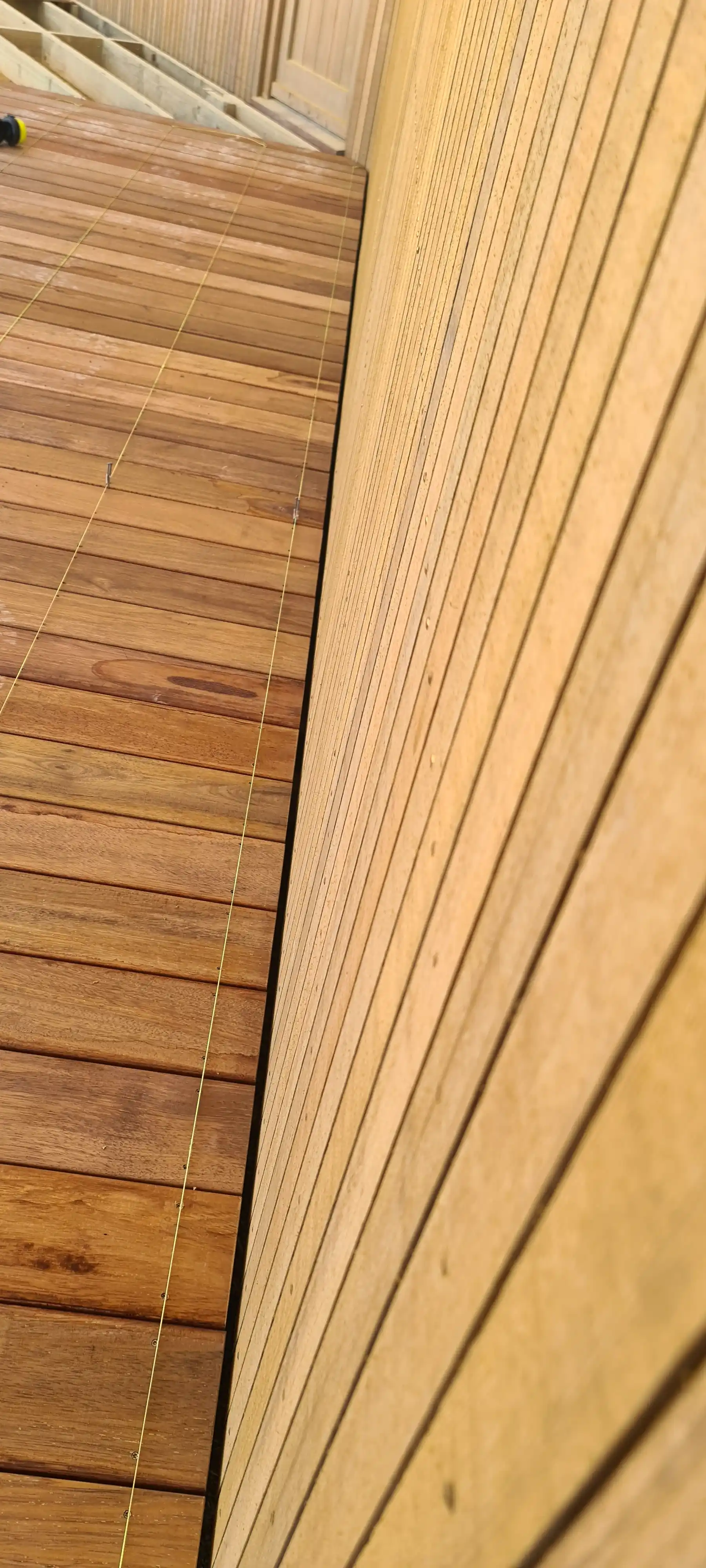
  • Natural timber that weathers gently. Cedar at Horton Road and the Cedar House, and Lawson Cypress shiplap at the Lucas Residence. Timber is warm and honest, and it silvers softly over time if you let it.
  • Dark corrugated steel, for a strong, low-maintenance, architectural line. The Black House, Martin Conway and Pippin Lane all wear it.
  • Plaster and render systems, for a smooth, solid form, as at the Green House.
  • Fibre cement (James Hardie) where it earns its place, and schist stone or ColorSteel details where a home wants an accent or a hard-wearing base.

How we detail it to last

The look matters, but the detailing is what keeps the house sound. The drained cavity, the rigid air barrier, the flashings around every window and door, and the junctions between different claddings are where weathertightness is won or lost. We get these right so the wall breathes, stays dry and holds up to the Nelson sun and, near the coast, to salt-laden wind.

An honest word on weathering

Natural materials change, and that is part of their appeal. Cedar and Lawson Cypress silver over time unless you choose to oil them. Corrugated steel holds its colour for many years. We will tell you honestly how each option will look in five and fifteen years, so you choose the finish you actually want to live with, not just the one that looks best on handover day.

Lawson Cypress cladding on an Ecotectural home in Redwood Valley

On real homes

Weathering as intended, not by accident.

Timber shiplap, weathering steel, plaster and natural schist, each detailed to weather beautifully rather than fail early, on homes across Nelson Tasman.

Building since
2006
Google reviews
5.0 stars, 18 reviews

Good questions

Cladding, answered.

What timber cladding do you recommend for Tasman conditions?

Hermpac vertical shiplap weatherboards are one of our standard choices, and we have also clad homes in Lawson Cypress, such as Redwood Valley, for a durable, low-maintenance timber look suited to the local climate.

Do you clad homes in cedar?

We select the timber species to suit the design and site rather than defaulting to one, and Hermpac's range of profiles covers most cedar-style vertical shiplap looks clients ask for.

What non-timber cladding options do you offer?

Thermosash weathering steel for a rainscreen with a deep natural patina, James Hardie fibre cement, and Resene Construction plaster systems for a rendered, low-maintenance finish.

Is a stone cladding finish available?

Yes. Wanaka Stone schist gives a striking, enduring feature wall or facade that roots a home in the New Zealand landscape, usually combined with one of our other cladding systems.

How long does quality cladding last before it needs upkeep?

It depends on the material: weathering steel and stone need almost none, and quality timber and plaster systems are chosen for character and longevity rather than constant repainting.

Does cedar cladding need staining or oiling?

Only if you want to hold its colour. Left alone, cedar and Lawson Cypress silver to a soft grey and keep protecting the wall. Oiling is a look, not a structural need. We will show you both so you can choose.

Is corrugated steel low maintenance?

Yes. A quality pre-painted steel cladding holds its colour for many years and needs little more than an occasional wash, a bit more often near the coast.

Can I mix different claddings on one house?

Absolutely, and it often reads best that way: timber to warm the entry, steel or plaster for the strong forms. The skill is in the junctions between them, which we detail so they stay weathertight.

Why the cavity behind the cladding?

The drained, vented cavity lets any moisture drain and dry instead of sitting against the structure. It is one of the quiet reasons our homes stay dry and healthy for the long run.

Vertical cedar weatherboard cladding detail on the Tasman View build

Character that lasts for decades.

Ask us which cladding best suits your design, your site and the Tasman climate.

Arrange a consultation

Trusted partners and memberships

Call Daryl Arrange a consultation