

Solar Panels and Batteries on a New Home: What to Know
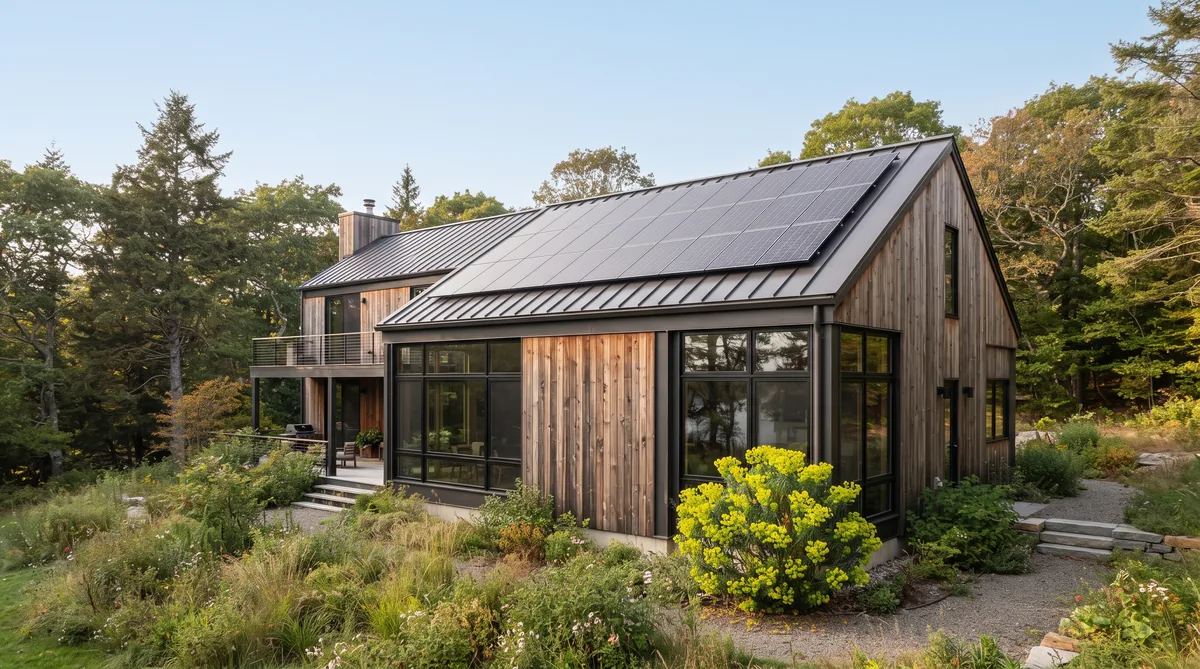
Solar makes most sense on a new build when the home is already efficient and well built, because panels are cheapest to fit during construction and most useful when the house wastes little of what they generate. How much solar to install depends on your roof, your household and how much power you use during daylight, not a one-size figure. A battery is worth it for self-consumption and resilience during outages rather than as a guaranteed saving, so weigh it against its cost rather than assuming payback. If you are not ready to commit, the sensible middle path is to design the home solar-ready, with the right roof orientation and pitch, conduit and switchboard space, so panels and a battery can be added cleanly later.
Key Questions Answered
Should you add solar to a new build?
Often yes, because it is cheapest to fit during construction and works best on an efficient home. But the home should come first: an energy efficient home makes better use of every unit of power the panels generate.
How much solar do you need?
It depends on your roof area, orientation and how much power you use in daylight hours, not a fixed size. A system sized to your household and self-consumption beats an oversized array that exports cheaply.
Do you need a battery?
Not necessarily. A battery raises self-consumption and gives resilience during outages, which many owners value, but it adds cost. Weigh it on those benefits rather than assuming it pays for itself.
Why does Nelson Tasman suit solar?
The region is one of New Zealand’s sunniest, so a well-oriented array here generates strongly. Pairing that with a home designed to use the sun makes the most of both.
What does solar-ready mean?
Designing the home so panels and a battery can be added cleanly later: north-facing roof planes at a good pitch, conduit runs, and space in the switchboard, all decided before the roof goes on.
In This Guide
Key Takeaways
- Solar is cheapest to fit during a new build and works best on an already efficient, well-built home, so the envelope and systems come before the panels.
- Size the array to your roof, household and daylight use rather than a headline number; a system matched to self-consumption beats an oversized one that exports cheaply.
- A battery earns its place through self-consumption and resilience during outages, not a guaranteed saving, so weigh it against its cost with reference to EECA guidance.
- Nelson Tasman is among the sunniest parts of New Zealand, which suits a well-oriented array paired with a home designed for the sun.
- If you are not ready to install now, design the home solar-ready: roof orientation and pitch, conduit runs and switchboard space decided before the roof goes on.
Should you add solar to a new build?
For most new homes in a sunny region, adding solar is worth serious thought, and a new build is the best time to do it. Panels and their wiring are cheapest and cleanest to fit while the roof and walls are open, and solar pays off most on a home that is already efficient and wastes little of the power it generates.
The order matters. Solar offsets the electricity a home uses, so the more efficient the home, the smaller the array needed to make a real difference. A well-insulated, airtight, well-glazed home draws less power for heating and hot water in the first place, which means every panel does more. EECA, through its Gen Less programme, makes the same point: reduce demand first, then generate. That is why we treat solar as one layer of an energy efficient home rather than a bolt-on that rescues a leaky one. Getting the envelope and the heating right comes first, and solar then sits on top of a home that already behaves well.
How much solar makes sense?
There is no single right size. How much solar makes sense depends on your usable roof area and its orientation, how much power your household uses, and how much of that use falls in daylight hours when the panels are actually generating. A system matched to your own daytime use usually beats the largest array that will fit.
The reason is simple. Power you use as it is generated is worth far more to you than power exported to the grid, which is typically bought back at a lower rate. So an array sized to cover your daytime base load, the hot water, the fridge, the everyday running of the house, tends to make better sense than an oversized one that spills cheap electricity into the network at midday. Shifting some use into daylight helps too. Running the dishwasher, laundry or a heat pump water cylinder during the day lifts self-consumption without adding a single panel. A heat pump hot water system paired with a timer is one of the most effective ways to turn midday sun into stored hot water for the evening. Sizing is a conversation to have with your designer and an energy-literate engineer early, so the roof can be laid out to carry the array you actually want.
Do you need a battery?
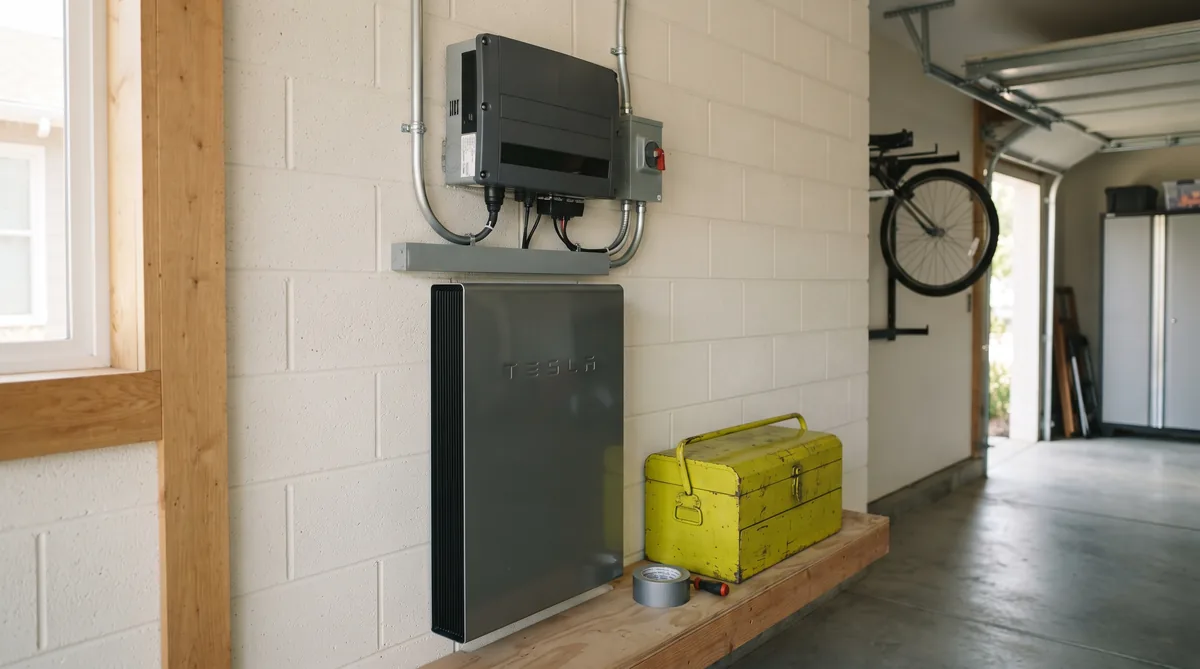
Not necessarily. A battery stores your daytime solar for use in the evening and can keep essential circuits running during a power cut, which many owners value highly. What it does not reliably do is pay for itself as a straight saving, so the honest way to weigh a battery is on self-consumption and resilience, not a promised return.
For most homes, staying grid-connected with a battery is more practical than going fully off-grid, which needs a much larger and more expensive system sized for the worst winter week. With a battery, the grid becomes your backup and your own stored solar covers the evening peak. Without one, you use solar as it is generated and draw from the grid after dark. Both are valid. EECA’s guidance is a good neutral starting point for weighing the cost, and we would rather set out the trade-off plainly than quote a payback figure that depends on prices no one can promise. The table below sets the three common paths side by side.
| Option | Main benefit | Main consideration |
|---|---|---|
| Solar only | Lowest cost of the three; cuts daytime grid draw and offsets power as it is generated | Little benefit after dark, and surplus midday power is exported at a lower buy-back rate |
| Solar plus battery | Stores daytime solar for the evening peak and keeps essential circuits running during an outage | Higher upfront cost; best judged on self-consumption and resilience rather than a guaranteed saving |
| Solar-ready | Lowest commitment now; the home is designed so panels and a battery drop in cleanly later | No generation until you install; you carry the cost of readiness, not yet the benefit |
Which path fits depends on how you live and how much you value resilience. There is no wrong answer, only the one that matches your household.
How does solar suit sunny Nelson Tasman?
Nelson Tasman is among the sunniest regions in New Zealand, which makes it well suited to solar. A well-oriented array here spends more of the year generating strongly, so the same panels earn their place faster than they would in a duller climate.
The sun is a design tool as much as an energy source, and using it well starts with how the home sits on its site. A home oriented to make the most of the northern sun for warmth and light is also a home whose roof planes are well placed for panels, so the two goals reinforce each other. Our guide to designing for the Nelson Tasman sun covers how orientation, glazing and shading work together for comfort; solar simply extends that same thinking onto the roof. Getting the house and the array to pull in the same direction, rather than treating panels as an afterthought, is where an energy efficient home in this region really rewards the effort.
How do you make a home solar-ready?
You make a home solar-ready by settling the decisions that are hard to change later while the design is still on paper: roof orientation and pitch, conduit runs from roof to switchboard, and spare space in the switchboard for the solar and battery gear. Do that, and panels can be added cleanly years later without opening up finished work.
The practical list is short but time-sensitive. A roof plane facing north at a sensible pitch gives the best year-round yield, so the roof form is worth setting with solar in mind even if the panels come later. The roofing choice for a high-performance home matters here too, since some profiles and fixings suit panel mounting more neatly than others. Running empty conduit from the roof space to the switchboard during the build, and leaving switchboard capacity and a spot for a battery, costs little now and saves a messy retrofit later. This is exactly the kind of low-cost, high-value move covered in our guide to future-proofing a new home: leave the option open without paying for the whole system before you need it. Deciding these things early is far cheaper than adding them once the roof is on and the linings are up.
What is the bottom line?
Solar and batteries suit a new build best when they sit on top of an already efficient, well-built home, in a sunny region like Nelson Tasman, and are sized to how you actually live. Add solar where it works for you, weigh a battery on self-consumption and resilience rather than a promised payback, and at the very least design the home solar-ready so the options stay open.
The most useful move is to have this conversation early, while the roof form, conduit and switchboard are still choices rather than fixed facts. Ecotectural has designed and built energy efficient homes across Nelson Tasman since 2006, bringing the right architect and an energy-literate engineer together through an approach we call Around One Table, and you can see how that works on our design and build page. If you are planning a new home, the best first step is to arrange a consultation before the design is locked in.
Frequently Asked Questions
Is it cheaper to install solar during a build or later?
During the build is usually cheaper and cleaner. Conduit, cabling and switchboard capacity can be built in while walls and roof are open, and the roof structure can be set up for panels from the start. Retrofitting later works, but it means more labour and some compromises that early planning avoids.
Do solar panels make sense if the house is not very efficient?
They help, but the return is weaker. Solar offsets the power a home uses, so a leaky, poorly insulated home needs a larger array to cover its higher demand. Building an energy efficient home first, then sizing solar to a lower load, is the more sensible order. EECA’s Gen Less programme makes the same point about efficiency before generation.
Will a battery let me go off-grid?
For most homes, staying grid-connected with a battery is more practical than going fully off-grid, which needs a much larger system and careful winter sizing. A battery’s everyday value is storing your own daytime solar for evening use and keeping essential circuits running during an outage, rather than cutting the grid entirely.
How big a solar system should I install?
There is no single right size. It depends on your roof area and orientation, your household’s power use and how much of it falls in daylight, and whether you add a battery. A system matched to what you actually use during the day usually makes better sense than the largest array that fits.
Can I add solar later if I do not install now?
Yes, if the home is designed solar-ready. That means north-facing roof planes at a sensible pitch, conduit runs left in place, and spare capacity in the switchboard, all decided during design. Our guide on future-proofing a new home covers how to leave these options open without paying for them now.
Does Ecotectural design homes for solar?
Yes. Ecotectural has designed and built energy efficient homes across Nelson Tasman since 2006, orienting and detailing them so solar and batteries fit cleanly, whether they go on at handover or years later, using an approach we call Around One Table.
Research Report: Solar and Batteries on a New Home in New Zealand
Read Full ReportWhether to add solar to a new build, how to size it, the case for and against a battery, why Nelson Tasman suits solar, and designing a home solar-ready.
Planning a build in Nelson Tasman?
Talk to Ecotectural early and keep control of your design and budget from day one.
Arrange a consultation