

Renovating a Cold, Damp Villa Into a Warm, Dry Home
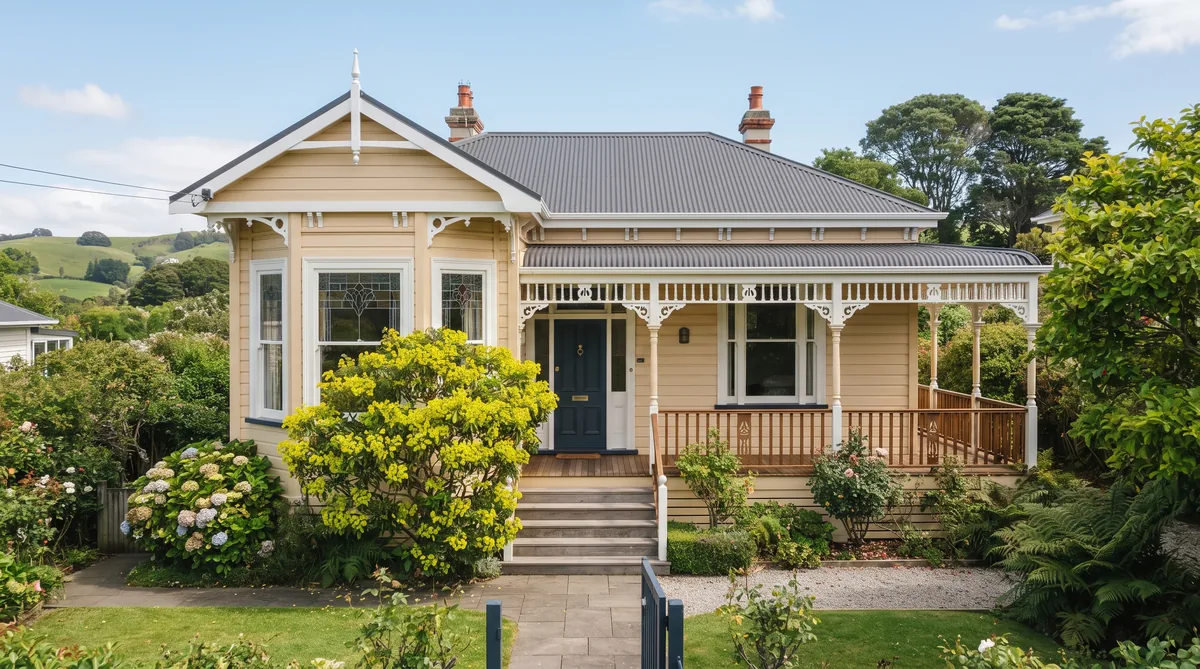
Older villas are cold and damp because they were built with little or no insulation, single glazing, plenty of draughts and often rising damp from an unsealed subfloor. A character villa can absolutely be made warm and dry, and the renovation is the moment to do it. The work is to insulate the floor, walls and ceiling, manage moisture and airtightness sympathetically, upgrade the glazing while keeping the timber joinery look, and add gentle heating and mechanical ventilation to control condensation. Done with care, the villa profile, verandah and sash windows stay intact while the comfort inside is transformed.
Key Questions Answered
Why are old villas so cold and damp?
Most were built before insulation was required, with single-glazed windows, gaps around every junction and a subfloor open to the ground. Heat escapes, draughts pour in and ground moisture rises, so the home is cold and the air is damp. The NZ Building Code sets minimum insulation levels for new work today, but an untouched villa predates all of it.
Can a character villa be made warm and dry?
Yes. A renovation is the right time to add insulation, control moisture and improve the glazing and ventilation. BRANZ research shows retrofit insulation and better ventilation measurably lift indoor temperatures and reduce dampness, and the character detail can be kept while the performance is lifted.
How do you insulate an older home?
Underfloor and ceiling insulation are usually straightforward. Walls are the harder part, best done when linings or cladding come off during the renovation, so the work is sympathetic to the villa fabric rather than forced through finished surfaces.
What about the windows and heating?
Retrofit double glazing, held in timber joinery to keep the sash look, cuts heat loss and condensation. Pair it with a gentle, efficient heat source and mechanical ventilation so the drier, warmer air is kept moving rather than trapped.
Will I lose the character of the villa?
Not if the work is planned around the heritage detail. The villa profile, verandah, weatherboard lines and sash proportions can all be retained while insulation, glazing and ventilation are worked in behind them.
In This Guide
Key Takeaways
- Older villas are cold and damp by design: little or no insulation, single glazing, draughts at every junction and rising damp from an open subfloor, all predating the NZ Building Code.
- A renovation is the natural moment to fix it, because linings and cladding are already coming off, so insulation and airtightness can be added without wrecking finished surfaces.
- Retrofit double glazing in timber joinery keeps the sash look while cutting heat loss and the condensation that drives dampness, per BRANZ guidance on moisture and ventilation.
- Warmth and dryness need three things together: insulation to hold heat, a gentle efficient heat source, and mechanical ventilation to move the moisture out.
- The villa profile, verandah and character detail can all be kept; sympathetic sequencing and a coordinated team are what protect the heritage while the comfort is lifted.
Why are older villas so cold and damp?
Older villas are cold and damp because they were built before insulation was required, with single-glazed windows, draughty junctions and a subfloor open to the bare ground. Heat leaves through every surface, cold air pours in around the gaps, and moisture rises from below, so the home is chilly and the air stays damp.
None of this is a fault in the original build. A villa from the early twentieth century simply predates the modern understanding of thermal performance and the NZ Building Code that now sets minimum insulation levels for new work. The timber floor sits over a ventilated subfloor with no barrier to ground moisture, the walls are usually hollow and uninsulated, and the ceiling above lets warmth escape into the roof space. Add single glazing, which is cold to the touch and sheds heat quickly, and you have a home that is hard to warm and slow to dry out. If you want the mechanism in more detail, our explainer on the real cause of cold, damp New Zealand homes sets it out clearly.
Can a character villa be made warm and dry?
Yes. A character villa can be transformed into a warm, dry home, and a renovation is the natural moment to do it. Because linings and cladding are already coming off, the work of insulating, sealing and upgrading the glazing can be done properly rather than patched over finished surfaces.
The change people notice is not only temperature but the feel of the air. BRANZ research on New Zealand housing consistently links warmth and dryness to insulation, better glazing and adequate ventilation, and shows that retrofitting these measurably lifts indoor conditions. The important point for a villa owner is that comfort and character are not a trade-off. The heritage fabric, the villa profile, the verandah, the weatherboard rhythm, can be kept while the performance behind it is lifted. Deciding how far to take the work, and whether the bones justify it, is worth thinking through alongside our guide on renovation versus a high-performance rebuild.
How do you insulate an older home without wrecking its character?
You insulate an older home by working with the renovation sequence, not against it. Underfloor and ceiling insulation are usually straightforward and deliver a lot of the gain. Walls are the harder part, and the sympathetic time to do them is when linings come off internally or cladding is replaced, so the cavity is open and can be insulated, wrapped and air-sealed correctly.
Moisture is the thing to respect. An old villa dries in ways a modern wall does not, so insulation and airtightness have to be added with a proper understanding of where water vapour goes, or you risk trapping moisture inside the structure. This is why the work belongs with a coordinated team rather than a single trade making an isolated call. At Ecotectural we plan upgrades using an approach we call Around One Table, bringing the right architect, an energy-literate engineer and, where it is useful, an energy consultant together from the first concept, so the insulation, the airtightness and the way the walls breathe are solved as one problem. Sealing the subfloor against rising damp, insulating under the floor, filling the wall cavities where they are open, and topping up the ceiling all work together. Our guide to retrofitting insulation and glazing goes through the order of works in more depth.
What about glazing, heating and ventilation?
Glazing, heating and ventilation are the three that turn an insulated villa into a genuinely comfortable one. Retrofit double glazing cuts heat loss and the cold surfaces that drive condensation, a gentle efficient heat source keeps the home evenly warm, and mechanical ventilation moves stale, damp air out before it settles.
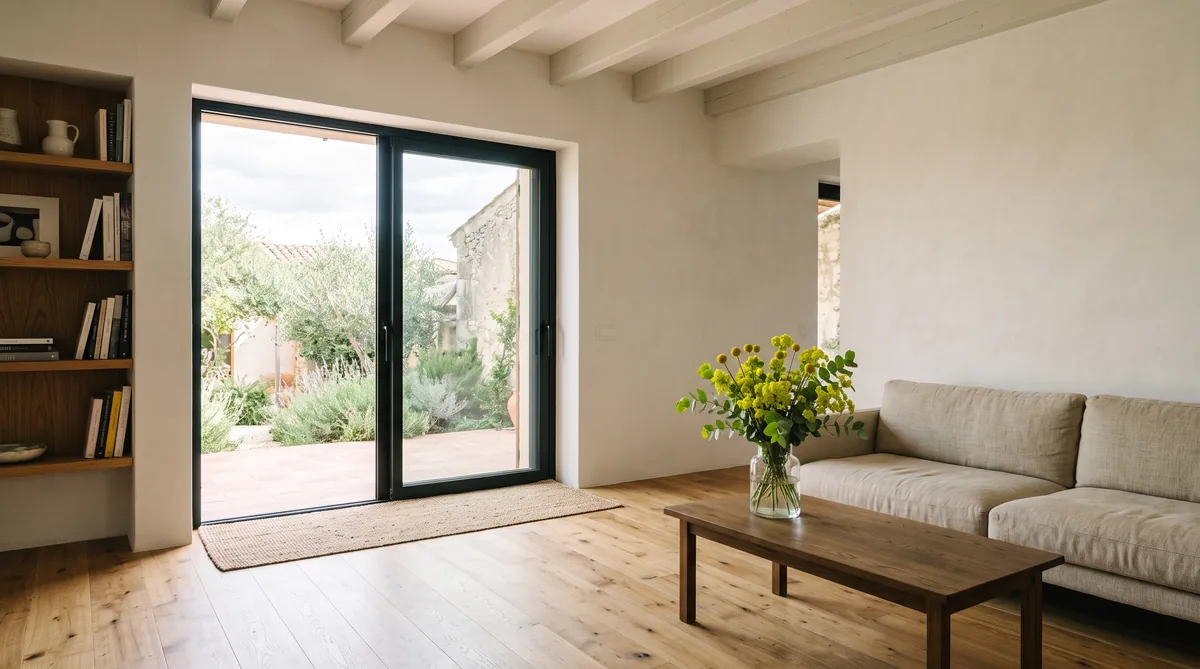
The glazing is where character is easiest to protect. Slim double-glazed units can be set into repaired or replicated timber joinery, so the sash proportions and putty lines still read as original while the glass performs. Where existing joinery is sound and worth saving, secondary glazing is a gentler option. Our comparison of double versus triple glazing helps you judge how far to go. On heating, the aim is steady background warmth rather than one fierce source in a single room, because even temperatures keep surfaces above the point where condensation forms. Ventilation is the part most villa renovations forget: warmer, better-sealed homes still produce moisture from cooking, washing and breathing, and BRANZ is clear that it has to be actively removed. A well-specified mechanical ventilation system, sized to the home, keeps the air fresh and dry. Our guide to mechanical ventilation with heat recovery explains how the warmer, drier air is kept moving without throwing the heat away.
How do you keep the character while lifting performance?
You keep the character by treating the heritage detail as a fixed part of the brief, then planning the performance work around it. The villa profile, the verandah, the weatherboard lines and the sash proportions are protected on paper first, so nothing is lost to a decision made in a hurry on site.
In practice that means matching new joinery to the original sightlines, repairing rather than replacing sound timber, hiding insulation and services within the existing fabric, and keeping the interventions where they cannot be seen. The table below shows how each villa problem is answered by a specific renovation fix, and the comfort it buys.
| Villa problem | The renovation fix | The comfort gain |
|---|---|---|
| No insulation | Insulate under the floor, in the walls where open, and in the ceiling, with a subfloor moisture barrier | Heat is held in the home, so rooms warm faster and stay warm for less energy |
| Single glazing | Retrofit double glazing in timber joinery, or secondary glazing where joinery is sound | Warmer glass surfaces, far less condensation, and the sash look kept intact |
| Draughts and damp | Sympathetic air-sealing at junctions plus mechanical ventilation and a gentle heat source | Fresh, dry air without the cold draughts, and less mould on cold surfaces |
Because so much of this is hidden work, a whole-house view pays off, rather than fixing one room at a time and discovering the next problem later. Our guide to a whole-house renovation explains why sequencing the work together protects both the budget and the building.
What is the bottom line?
A cold, damp villa is not a lost cause. It is cold because it was built without insulation, single glazed and draughty, with moisture rising from an open subfloor, and every one of those things can be answered during a sympathetic renovation. Insulation holds the heat, retrofit double glazing warms the surfaces, a gentle heat source and mechanical ventilation keep the air warm and dry, and the villa profile, verandah and sash windows stay exactly as they should.
The work rewards planning the design, the performance and the pricing together rather than in pieces. Ecotectural has renovated and built energy efficient homes across Nelson Tasman since 2006, using Around One Table for the design and Built in the Open for transparent, open-book pricing, with a 10 percent contingency built in as a matter of course. If you have a character home that is beautiful but cold, the best first step is to arrange a consultation before the work is scoped, and you can see how we approach it on our design and build page.
Frequently Asked Questions
Is it worth renovating a cold villa rather than starting again?
Often, yes. A sound villa has character that is expensive and slow to replicate, and much of the performance gap can be closed during a renovation. Whether to renovate or rebuild depends on the condition of the structure and your goals, which our guide on renovation versus a high-performance rebuild works through.
Can you really keep single-glazed sash windows and still be warm?
You can keep the look. Retrofit double glazing sets slim insulated units into repaired or replicated timber joinery, so the sash proportions and putty lines read as original while heat loss and condensation drop. Where the existing joinery is sound, secondary glazing is a gentler alternative.
How do you insulate villa walls without removing the weatherboards?
The cleanest time is when linings come off internally or cladding is replaced, so the wall cavity is open and insulation, wraps and air-sealing can be fitted correctly. Blowing insulation into a closed cavity is possible but needs care around moisture, so it is a decision for the design team, not a default.
Why does my villa get so much condensation and mould?
Cold single-glazed surfaces and damp air are the cause. Moisture from cooking, washing and breathing has nowhere to go, then condenses on the coldest surfaces. BRANZ links this to poor ventilation and cold surfaces, so the fix is warmer surfaces, better glazing and mechanical ventilation, not just wiping it away.
Do I need building consent to renovate a villa this way?
Some work needs consent and some does not, depending on what is altered. Structural changes, new glazing openings and some plumbing and heating work usually do. Our guide to the building consent process in Nelson Tasman explains how it is assessed against the NZ Building Code.
Does Ecotectural take on character renovations?
Yes. Ecotectural has renovated and built energy efficient homes across Nelson Tasman since 2006, using an approach we call Around One Table so the architect, engineer and, where useful, an energy consultant plan the upgrade together, and Built in the Open for transparent, open-book pricing.
Research Report: Renovating a Cold, Damp Villa Into a Warm, Dry Home
Read Full ReportWhy older villas are cold and damp, how insulation, glazing, heating and ventilation transform them, and how the character is kept intact.
Planning a build in Nelson Tasman?
Talk to Ecotectural early and keep control of your design and budget from day one.
Arrange a consultation