

Renovate or Rebuild? Making the Call on a High-Performance Home
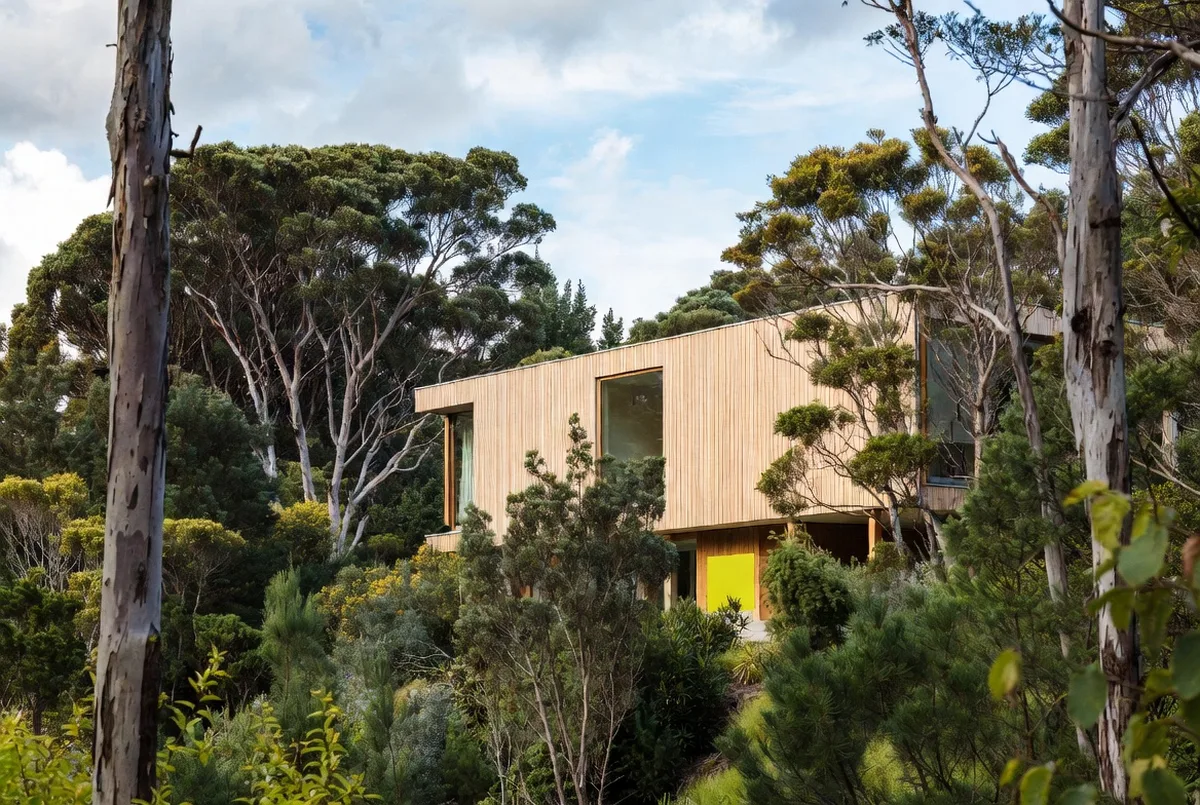
You can improve almost any home substantially, but you cannot renovate your way to new-build performance, because insulation and airtightness only work as continuous, unbroken systems and an existing shell is full of interruptions you cannot reach. Insulation top-ups, better glazing, targeted draught sealing and added ventilation are all worth doing and will make a cold house markedly better. What a retrofit struggles to deliver is a genuinely continuous thermal envelope and thermal-bridge-free detailing (PHINZ). So the decision comes down to a simple test: if the bones are sound, the location is right and the layout can become what you want, renovate. If you would be gutting it anyway and you want new-build warmth and quiet, rebuilding usually returns more for the same money.
Key Questions Answered
Can a renovation reach Passive House performance?
Rarely, and not without effectively dismantling the building. Insulation and airtightness perform as continuous systems, and an existing shell has interruptions at junctions, penetrations and the subfloor that a retrofit cannot fully reach (PHINZ).
What performance can you realistically retrofit?
A great deal: insulation top-ups where accessible, better glazing, targeted draught sealing, added mechanical ventilation, and improved heating. These make a cold, damp house genuinely comfortable even if they fall short of new-build numbers.
When does rebuilding win?
When the structure is compromised, when you would be gutting the layout anyway, or when new-build warmth and quiet are the point. Spending heavily on a poor shell rarely returns the money.
When does renovating win?
When the bones are sound, the location is excellent, and the existing layout can be reorganised into the home you want. Then you keep the value in the structure and spend on what you actually change.
Is renovating always cheaper?
No. Per square metre, working around an existing structure is often more expensive than new build area. The saving comes from what you keep, not from the new work being cheap.
In This Guide
Key Takeaways
- You cannot renovate to new-build performance: insulation and airtightness work as continuous systems, and existing shells have interruptions a retrofit cannot reach (PHINZ).
- Substantial improvement is achievable: insulation top-ups, better glazing, targeted draught sealing, added ventilation and better heating transform a cold house.
- Rebuild when the structure is compromised, the layout needs gutting anyway, or new-build comfort is the goal.
- Renovate when the bones are sound, the location is right and the layout can become what you want.
- Per square metre, renovation work is often dearer than new build; the saving lies in what you keep.
What is the performance ceiling of a retrofit?
Lower than most people hope, and for a structural reason rather than a lack of effort. A high-performance home works because its insulation and its airtight layer are continuous, wrapping the building without interruption. In an existing house those layers were never installed that way, and the places they would need to run, behind linings you are keeping, through junctions, around framing, under floors, are mostly unreachable without dismantling the building. Every gap you cannot close is a path for heat and moisture, and the whole system is only as good as its weakest continuity (PHINZ).
That is why honest advice on retrofits sounds different from advice on new builds. The goal is not parity, it is meaningful improvement, and meaningful improvement is genuinely worth having. Our companion guide, high-end renovations and extensions, covers how to run the work itself once you have decided.
What can you actually improve?
Quite a lot, and the difference in daily life is real. Insulation can be topped up wherever it is accessible, particularly ceilings and any wall you are opening anyway. Glazing can be upgraded, which changes both comfort and condensation. Draughts can be hunted down and sealed at the obvious paths. Mechanical ventilation can be added so the home gets fresh air without opening windows in July. Heating can be made appropriate to a better-insulated house rather than fighting a leaky one.
| Ambition | Retrofit outlook |
|---|---|
| Ceiling insulation | Usually straightforward and high value |
| Wall insulation | Good where linings come off, patchy otherwise |
| Glazing upgrade | Effective, and fixes much of the condensation |
| Draught sealing | Worthwhile, but not a continuous airtight layer |
| Mechanical ventilation | Can be added and makes a large difference |
| Thermal-bridge-free envelope | Rarely achievable in an existing shell |
| Subfloor and junctions | Often the hardest and least reachable |
Do all of the achievable items and a cold, damp house becomes a comfortable one. That is a good outcome, and it is worth being clear-eyed that it is not the same outcome as a home built continuously from the start, which our guide to why NZ homes are cold and damp explains from first principles.
What is the honest test for choosing?
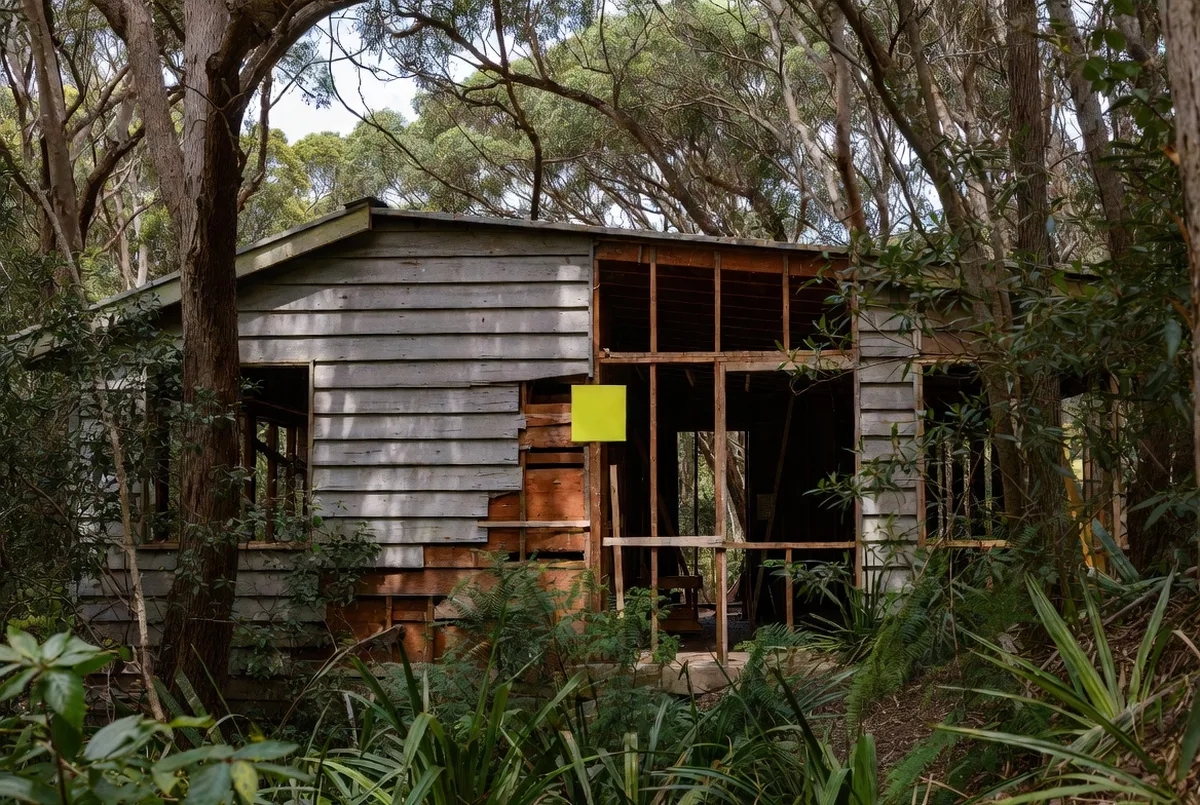
Three questions decide it. Are the bones sound, structurally and in terms of weathertightness? Is the location and orientation genuinely right, since neither can be renovated? And can the existing layout become the home you actually want, or are you fighting it in every room? Three yeses and renovation is usually the better value, because you keep the parts that are working and spend only on what you are changing.
The reverse test is more revealing. If you find yourself planning to strip the linings, replace the services, reframe walls and lift the floor, stop and ask what you are keeping. Sometimes the answer is a sound structure in an irreplaceable spot, and the renovation is clearly right. Sometimes the honest answer is a foundation and some sentiment, and you would get a better home for the same money by starting again. Our guide to build, buy or knockdown rebuild works the same decision from the other direction.
How do the numbers really compare?
Be careful here, because this is where most people mislead themselves. Per square metre, renovation work is frequently more expensive than new build area: you are working around an existing structure, matching into it, dealing with restricted access, and protecting a partly opened building from weather. The saving in a renovation comes from what you do not touch, not from the new work being cheap.
The other trap is comparing unlike things. A new build gets priced fully specified, while the renovation gets an optimistic number based on what is visible. Price both properly, with the renovation carrying its genuine unknowns and a firm 10 percent contingency, and compare the homes you would actually end up living in, including how each one performs and costs to run. That is the only fair race, and it often changes the answer, as we set out in why build costs blow out.
What about the environmental argument?
It cuts both ways and deserves an honest answer rather than a slogan. Keeping sound structure avoids demolition waste and the embodied carbon of new materials, which is a genuine point in favour of renovating, and it is the strongest environmental case for a retrofit. Against that, a home that remains cold, draughty and expensive to heat will burn energy for another fifty years, and a well-built replacement will not.
So the greenest choice depends entirely on how far the retrofit actually gets. A deep, well-executed retrofit of a sound house is an excellent outcome on every measure. A shallow one that leaves the building underperforming has spent materials and money without fixing the long-term problem. Decide it on the specifics of your house rather than on the general principle.
What is the bottom line?
You can lift almost any home a long way, and you should if the bones justify it: insulation, glazing, draught sealing and ventilation change how a house lives. What you cannot easily do is retrofit the continuous envelope a high-performance home depends on. So renovate when the structure, location and layout are working for you, and rebuild when you would be gutting it anyway or when new-build comfort is the whole point. Price both honestly, including the unknowns, before deciding.
If you are weighing this on a specific house in Nelson Tasman, arrange a consultation. We will look at the bones with you and tell you plainly which way the money and the outcome point, including when the answer is to keep what you have.
Frequently Asked Questions
Why can’t insulation just be added everywhere?
Because you can only insulate what you can reach. Wall cavities behind linings you are not removing, junctions between floor and wall, and areas around framing all stay as they are, and each gap becomes a path for heat to escape. The result is better, but patchy in a way a continuously wrapped new build never is.
What about airtightness in an old house?
You can meaningfully reduce draughts by sealing the obvious paths, and it is well worth doing. What you cannot easily do is create the single continuous airtight layer a high-performance home relies on, because it has to be unbroken across every junction and penetration, most of which are buried in an existing building.
If I gut the house completely, can I get there?
You get much closer, and at that point you should ask the honest question: if the walls are stripped, the linings are gone and the services are out, what exactly are you keeping? Sometimes the answer is a genuinely good structure in a great spot, and it is worth it. Sometimes it is sentiment wearing a hard hat.
Does a renovation need to meet current Building Code?
Work you carry out generally has to comply, and the boundaries matter, particularly around structure, weathertightness and plumbing. Discovering unconsented earlier work during a renovation can also become your problem to resolve, which is a common and unwelcome surprise.
How do I compare the two options fairly?
Price them both properly, including the renovation’s unknowns and contingency, and compare what you actually end up living in. People often compare a fully specified new build against an optimistic renovation number, which is not a fair race.
Does keeping the old house help the environment?
Retaining sound structure avoids waste and embodied carbon, which is a genuine argument for renovating. Against that, a home that stays cold, damp and expensive to run for another fifty years carries its own cost. The greenest answer depends on how far the retrofit actually gets.
Research Report: Renovate or Rebuild for Performance
Read Full ReportThe retrofit performance ceiling and a decision framework.
Planning a build in Nelson Tasman?
Talk to Ecotectural early and keep control of your design and budget from day one.
Arrange a consultation