

What a Good Designer Wishes Every Client Knew Before the First Meeting
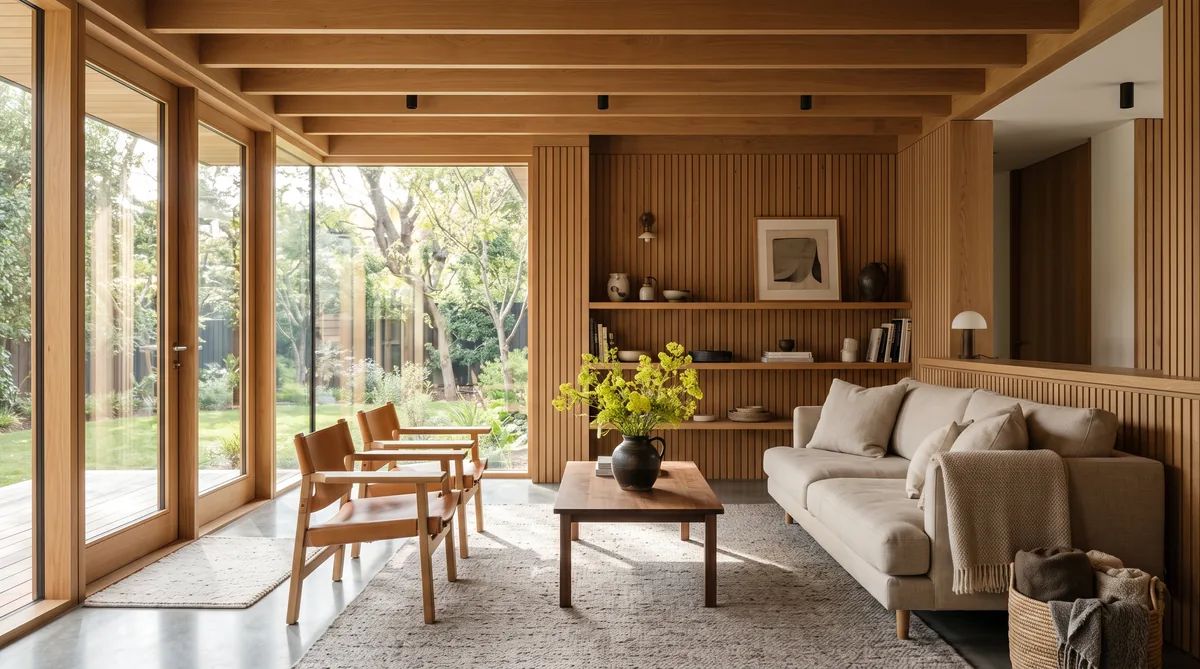
The most useful thing you can bring to a first design meeting is not a fixed floor plan but a clear picture of how you want to live and an honest budget with a 10 percent contingency built in. That lets a good designer design to your budget rather than over it, and shape the home around your site instead of forcing a borrowed plan onto it. The cheapest quote and the thinnest fixed price often cost the most later, because a fixed price is only as fixed as the drawings behind it. Bringing the builder to the table early, alongside the designer, keeps design, cost and buildability moving together from the first sketch.
Key Questions Answered
What should you bring to a first design meeting?
Bring how you want to live, your site details and an honest budget, not a finished floor plan. A designer works best from your priorities and constraints, then shapes the plan around them rather than reverse-engineering a fixed layout.
Why does an honest budget help the design?
A real budget, with a 10 percent contingency, lets a designer design to it from the first sketch rather than draw an ambitious home and value-engineer it back later. Openness about money is a design tool, not an awkward admission.
Why does the site come before the plan?
Sun, slope, wind, views and access all shape what a home should be. Reading the site first, then drawing, produces a home that belongs where it stands. A plan drawn before the site is understood usually has to be undone.
Why can the cheapest path cost more?
A low quote or a thin fixed price is often light on detail, so the gaps surface later as variations. A fixed price is only as fixed as the drawings it is based on. Open-book pricing shows where every dollar goes.
How do you get the most from your designer?
Engage the builder early, alongside the designer, so design, budget and buildability are solved together while changes are still cheap. Be candid about priorities and trade-offs, and treat the first meetings as a two-way fit.
In This Guide
Key Takeaways
- Come to the first meeting with how you want to live and an honest budget, not a fixed floor plan; a good designer starts from your priorities, not a borrowed layout.
- A real budget with a 10 percent contingency lets a designer design to it rather than over it, so openness about money genuinely improves the design.
- The site should shape the home before the floor plan is drawn, because sun, slope, wind and views decide what will feel right to live in.
- The cheapest quote or a thin fixed price often costs more later, because a fixed price is only as fixed as the drawings; open-book pricing, Built in the Open, shows the real cost.
- Bringing the builder to the table early alongside the designer keeps design, budget and buildability moving together, which is the heart of the Around One Table approach.
What should you bring to a first design meeting?
Bring how you want to live and an honest budget, not a finished floor plan. A good designer works best from your priorities, your site and your real constraints, then shapes the plan around them. A fixed layout brought to the first meeting tends to close off better ideas before the conversation has properly started.
Most people arrive worried they should have it all worked out. The truth is the opposite. The raw material a designer wants is the texture of your daily life: where the morning sun should land, how you cook and gather, whether you want to hear the children or have a quiet corner away from them, how long you plan to stay. That is far more valuable than a plan copied from a magazine, because the plan is the designer’s job to draw once they understand you. If you want a sense of what those early questions look like, our guide to the questions that shape a good design brief is a gentle place to start.
| What clients often assume | What actually helps the design |
|---|---|
| I should arrive with a finished floor plan | Arrive with how you want to live; the plan is ours to draw around it |
| Talking about budget too early looks unserious | An honest budget, contingency included, lets us design to it from the first sketch |
| The plan comes first, the section is a detail | The site leads; sun, slope and wind shape what the home should be |
| The cheapest quote is the safe choice | Open, detailed pricing is safer than the lowest headline number |
| A good client agrees to everything | A good client is candid about priorities and honest about trade-offs |
None of this is a test you can fail. Coming with questions rather than answers is exactly right, and a designer worth working with will draw the brief out of you kindly.
Why does an honest budget help the design?
An honest budget lets a designer design to it rather than over it. When the real number is on the table from the first sketch, with a 10 percent contingency built in, every decision can be made in proportion. Without it, a designer is drawing in the dark and you both discover the mismatch later.
There is an understandable instinct to hold the budget back, as if naming it invites someone to spend all of it. In design and build it works the other way. A designer who knows you have, say, a firm ceiling can steer the big moves, the footprint, the roof form, the level of glazing, so the home lands inside it with the quality where it matters most. A designer kept in the dark draws an ambitious home, you fall in love with it, and then the project becomes a slow exercise in taking things away. Designing to the budget from the start is calmer, and it protects the parts you care about.
The contingency is part of that honesty. Allow 10 percent as standard, not as padding but as the buffer that keeps a build steady when something unforeseen turns up, as it usually does on a real site. The plain logic holds: if you cannot afford the contingency, you cannot afford to build. Naming the whole number, buffer included, is one of the most generous things a client can do for their own project.
Why does the site come before the plan?
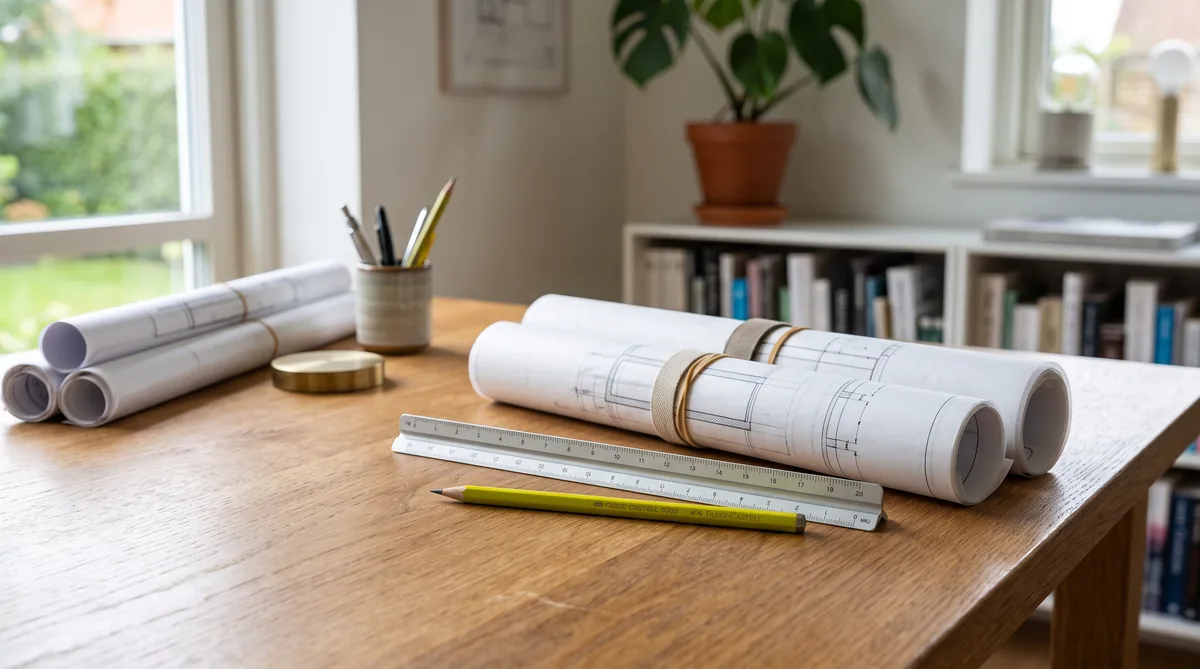
The site should shape the home before the floor plan is drawn, because sun, slope, wind, views and access decide what will feel right to live in. Read the ground first, then draw. A plan settled before the site is understood usually has to be undone once the section has its say.
In Nelson Tasman this matters more than in many places. The low winter sun, the summer heat, the coastal wind and the way a slope falls all change what a home should be, room by room. A living space that faces the wrong way is cold and dim for half the year, and no amount of heating fixes a plan that ignored the sun. Orientation, shading and the position of the main glazing are close to free while the design is still a sketch, and close to ruinous to change once the walls are up. That is why a good designer wants to stand on your site, or at least study it closely, before committing a single room to paper.
This is also why the sequence of a design matters. Our overview of how a home is designed, from first idea to finished drawings shows how the site reading feeds the concept, which feeds the plan, rather than the plan being imposed on the land. Letting the site lead is not a constraint on good design. It is where good design comes from.
Why can the cheapest path cost more?
The cheapest quote or the thinnest fixed price often costs the most in the end, because a low number is usually light on detail, and the missing scope returns later as variations. A fixed price is only as fixed as the drawings it is based on. If the drawings are thin, the price will not hold.
It is easy to see why the lowest figure is tempting, and no one should feel foolish for being drawn to it. The difficulty is that a headline price is only a promise about the drawings behind it. Where those drawings are incomplete, the gaps do not disappear; they surface during the build as extras, at the least convenient moment and often at the least favourable price. A fixed-price contract can feel like certainty, but it quietly shifts the risk onto whatever the drawings failed to describe, and that risk usually lands back with you.
Open-book pricing is the honest alternative. At Ecotectural we call it Built in the Open: you see the real cost of the work, with the builder’s margin, a flat 15 percent, agreed openly up front rather than buried inside a lump sum. Nothing is hidden, so there is no incentive to win the job on a low number and recover it in variations later. When you are comparing builders, it is worth asking each of them directly how they price. Our list of the questions to ask a builder before you sign gives you the words for that conversation, so a lower price and a more open one can be told apart.
How do you get the most from your designer?
Engage the builder early, alongside the designer, so design, budget and buildability are solved together while changes are still cheap. Be candid about your priorities, honest about trade-offs, and treat the first meetings as a genuine two-way fit rather than a pitch to sit through.
The single most useful move is to keep the design and the build in the same room from the start. When a designer draws in isolation and a builder prices the finished plans much later, the two can drift apart, and the reconciliation falls to you. Bringing them together early, an approach we call Around One Table, means the design is grounded in what can actually be built and afforded as it develops, not corrected afterwards. The right architect, an energy-literate engineer and, where it helps, an energy consultant work from the same concept, so the hard questions of comfort, structure and cost are answered on paper while they are cheap to answer. Our plain-English guide to what design and build actually means explains why that early collaboration tends to protect the design rather than dilute it.
Beyond that, generosity flows both ways. Tell your designer what genuinely matters most and what you would happily let go, and they can spend your budget where it counts. Ask questions freely; a good designer would far rather explain a choice than have you nod along to something you are unsure about. And use the early meetings to feel whether this is a team you trust, because you will be working closely with them for a good while.
What is the bottom line?
Come to the first meeting with how you want to live and an honest budget rather than a fixed plan, let the site lead before the floor plan is drawn, treat open pricing as safer than the lowest quote, and keep the builder at the table alongside the designer from the start. Those few habits do more for a home than any clever brief.
None of it asks you to be an expert. It asks for candour about how you want to live and what you can spend, and a willingness to let design, budget and buildability be solved together while changes are still cheap. That is the whole idea behind Around One Table and Built in the Open, the way Ecotectural has designed and built architectural homes across Nelson Tasman since 2006. If you are early in your thinking, you are welcome to see how we work on our design and build page, and to arrange a first consultation while the design is still an open conversation.
Frequently Asked Questions
Do I need to arrive with a floor plan or sketches?
No. A rough wish list, some pictures of homes you like and a clear sense of how you want to live are far more useful than a fixed plan. A finished layout can quietly close off better ideas before the designer has understood your site or your priorities.
Is it rude to talk about my budget so early?
The opposite. An honest budget is one of the most helpful things you can share, because it lets the designer make sound decisions from the first sketch. A designer who knows the real number, contingency included, can design to it rather than drawing a home you then have to cut back.
How much contingency should I allow?
Allow 10 percent as a matter of course. It is not padding; it is the buffer that keeps a project calm when something unexpected appears. The plain logic is that if you cannot afford the contingency, you cannot afford to build, so it belongs in the budget from day one.
Should I get the plans drawn first and then find a builder?
You can, but engaging the builder early alongside the designer usually protects both the design and the budget, because buildability and cost are solved on paper while changes are cheap. Our guide on how a home is designed walks through why the sequence matters.
Why is the cheapest quote not the safest choice?
A low number is often light on detail, so the missing scope returns later as variations. A fixed price is only as fixed as the drawings behind it. Open-book pricing, with an openly agreed margin, shows where the money goes and tends to be steadier than the lowest headline figure.
Does being an easy client mean agreeing to everything?
No. The best clients are candid about their priorities and honest about trade-offs, which helps the designer far more than polite agreement. Ask questions, say what matters most, and treat the early meetings as a genuine two-way fit rather than a sales pitch.
Research Report: What Helps a Designer Design Your Home
Read Full ReportWhat to bring to a first design meeting, why an honest budget and the site lead the design, and why open pricing beats the cheapest quote.
Planning a build in Nelson Tasman?
Talk to Ecotectural early and keep control of your design and budget from day one.
Arrange a consultation