

Rainwater Tanks and Water Supply on a Rural Build
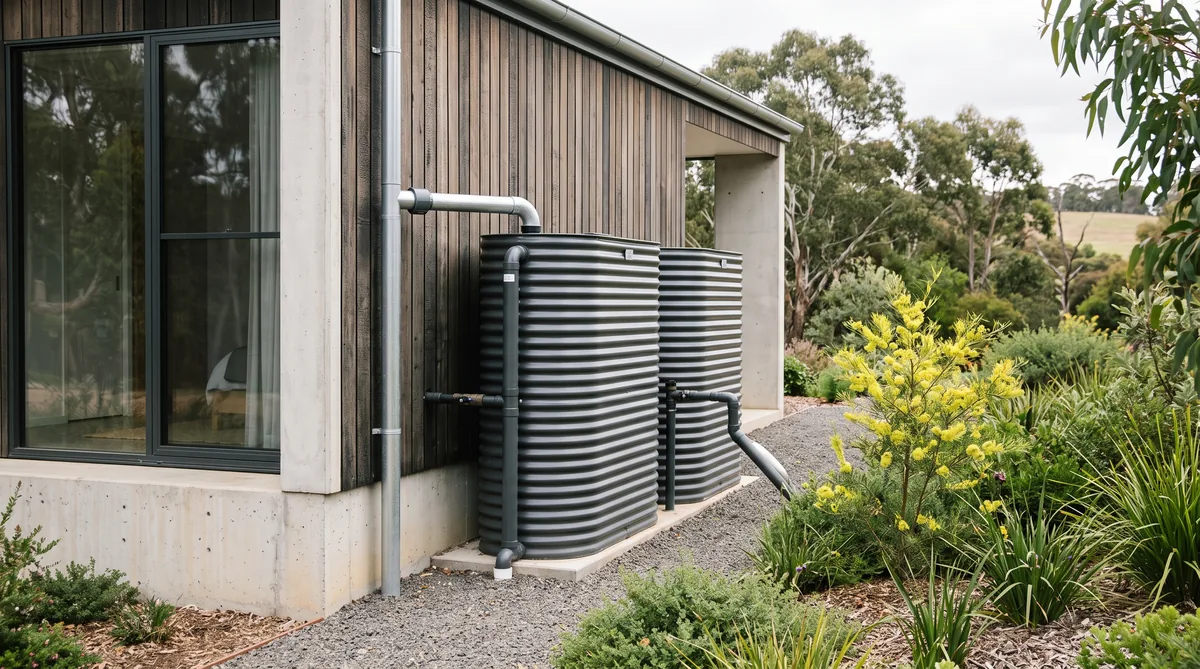
On most rural and lifestyle sites there is no town water main, so you supply your own: rainwater collected off the roof into tanks, a bore, or a connection to a rural water scheme where one exists. Rainwater is the common choice, and a system is simply roof catchment, a first-flush device, storage tanks, a pump and filtration. You size the storage around your household, your roof area and the dry months, and Tasman District Council may require a dedicated firefighting reserve as a condition of consent. Drinking water then needs filtration and usually treatment to be safe, following the Ministry of Health and Taumata Arowai drinking-water guidance. The important part is planning the tanks, pipework and pump into the design and budget from the start, not bolting them on at the end.
Key Questions Answered
How do you get water on a rural build?
You supply your own, because most rural sites have no town main. The three common options are rainwater collected off the roof into tanks, a bore drawing groundwater, or a connection to a rural water scheme where one is available.
How does a rainwater system work?
Rain runs off the roof, through gutters to a first-flush device that discards the dirtiest initial water, into storage tanks. A pump then delivers it to the house through filtration, and usually treatment, before it reaches a tap.
How much storage do you need?
It depends on household size, roof catchment area and how long the dry spells run. Tanks are sized to carry you through the driest months, and Tasman District Council may require an additional dedicated firefighting reserve as a consent condition.
Is rainwater safe to drink?
Not without treatment. Roof-collected water needs filtration and usually disinfection, such as UV, to be safe to drink, following Ministry of Health and Taumata Arowai drinking-water guidance. Good design and regular maintenance keep it that way.
When should water be planned?
At concept stage, alongside the site and the floor plan. Tank position, pipework, pump and any firefighting reserve affect the layout, the budget and the consent, so they belong in the design from the first drawings.
In This Guide
Key Takeaways
- Most rural and lifestyle sites have no town water main, so you supply your own through rainwater tanks, a bore, or a rural water scheme where one exists.
- A rainwater system is roof catchment, a first-flush device, storage tanks, a pump and filtration, with treatment such as UV before water reaches a drinking tap.
- Storage is sized around household use, roof area and the dry months, and Tasman District Council may require a dedicated firefighting reserve as a condition of consent.
- Roof-collected water is not safe to drink untreated; filtration and disinfection follow Ministry of Health and Taumata Arowai drinking-water guidance, backed by regular maintenance.
- Tanks, pipework and the pump affect layout, budget and consent, so plan them into the design from the first concept rather than adding them at the end.
How do you get water on a rural build?
On most rural and lifestyle sites there is no town water main at the boundary, so you supply your own. The three common options are rainwater collected off the roof into tanks, a bore that draws groundwater, or a connection to a rural water scheme where one exists in your area.
Which one suits you comes out of reading the site properly: the roof area you have to collect from, whether there is suitable groundwater at a workable depth, and whether a shared scheme runs past your land. Rainwater is the common default for a lifestyle block, because it is predictable to plan for and does not depend on what lies underground. This is one of the practical questions that a good site assessment answers early, alongside access, ground and orientation, which is why we treat reading your building site as the foundation of the whole design. Water sits within the wider picture of rural services and connections, from power and wastewater to the driveway, that a rural build has to solve for itself.
How do rainwater tanks work?
A rainwater system is simpler than it sounds. Rain runs off the roof, through the gutters, into storage tanks, and a pump then delivers it to the house through filtration. The clever, low-cost part is a first-flush device that discards the first, dirtiest run of water at the start of each rain event before it reaches the tank.
Walk it through in order. The roof is your catchment, so the roofing material matters for water quality. Gutters and downpipes feed a first-flush diverter, which throws away that initial dirty water carrying dust and leaves. The cleaner water enters the tanks, where sediment settles. From there a pump draws water to the house, passing through filtration to remove particles, and then treatment before it reaches a drinking tap. Each part is ordinary and reliable, but the layout, the tank position and the pipework all affect the house, which is why they belong on the drawings rather than being worked out on site. The table below sets the three supply options side by side.
| Water source | How it works | Main consideration |
|---|---|---|
| Rainwater tanks | Rain runs off the roof through a first-flush device into storage tanks, then a pump delivers it through filtration and treatment | Needs enough roof area and storage to carry the household through the dry months |
| Bore | A drilled bore draws groundwater, pumped up to the house and treated as required | Depends on suitable groundwater at a workable depth; quality must be tested and may need treatment |
| Rural scheme | A connection to a shared, reticulated rural water supply where one runs past the site | Only available in some areas; supply, restrictions and cost are set by the scheme |
Many rural homes use rainwater as the main supply and keep a bore or scheme connection as a secondary source where it is available, which adds resilience through a long dry summer.
How much water storage do you need?
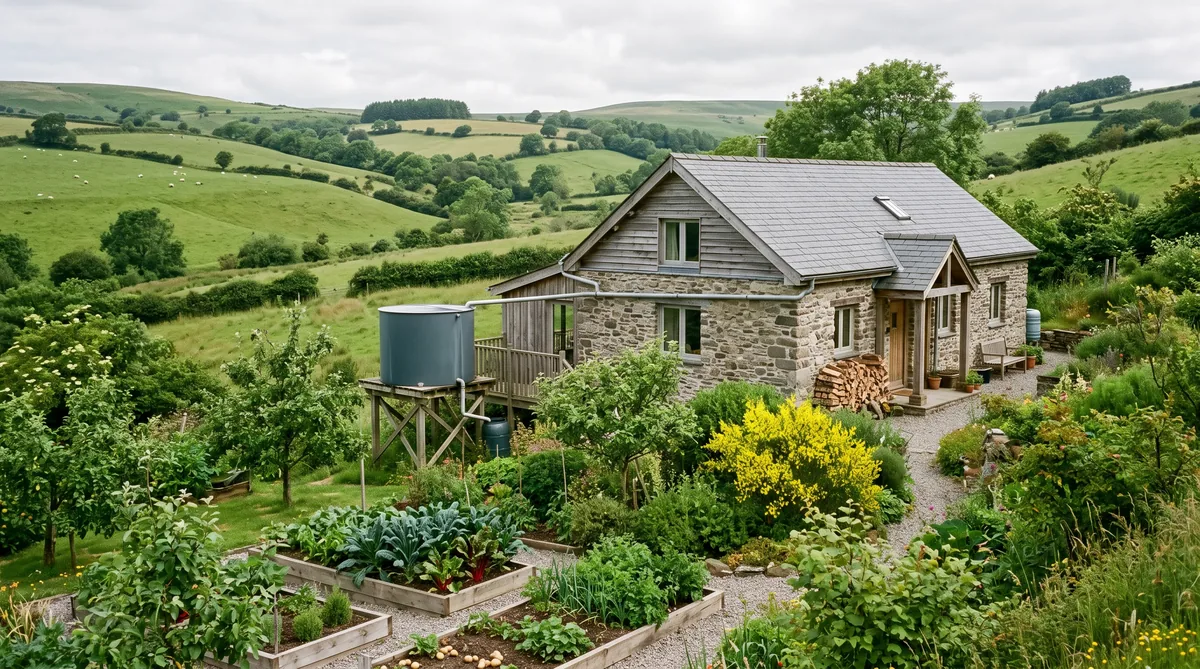
Storage is sized around three things: how many people live in the home, how much roof area you have to collect from, and how long the dry spells run in your part of Nelson Tasman. Tanks are sized to carry the household comfortably through the driest months, with a margin, rather than just an average week.
The logic is a simple balance. Over a year the roof usually collects more than a household uses, but rain does not fall evenly, and a Nelson Tasman summer can stay dry for weeks. Storage is the buffer that bridges those dry runs, so bigger dry spells and a smaller roof both push the tank size up. On top of household supply, Tasman District Council may require a dedicated firefighting reserve, a set volume kept available for the fire service, as a condition of your building consent, and that reserve sits on top of, not inside, your everyday storage. Because tanks, their position and the pipework all shape the layout and the budget, sizing them is part of the design conversation, not an afterthought. It is one of the real-world constraints that shapes the plan, in the same way that building on a lifestyle block asks you to solve services the town takes for granted.
What about drinking-water quality and treatment?
Roof-collected rainwater is not safe to drink straight from the tank. It picks up dust, leaves, bird droppings and other contaminants off the roof, so it needs a first-flush device, filtration and usually disinfection, such as UV, before it is safe to drink. Good design and regular maintenance are what keep it safe over time.
The standard to design to is clear. The Ministry of Health and Taumata Arowai, New Zealand’s water services regulator, publish guidance on safe household drinking water, and a well-designed system is built to meet it. In practice that means a first-flush diverter, sediment and finer filtration to remove particles, and a treatment step, commonly ultraviolet light, that deals with bacteria and other organisms without adding taste. A bore is treated differently: its water must be tested, because groundwater can carry minerals or contamination, and the treatment is matched to what the test finds. Either way, the system needs a maintenance routine, keeping gutters clear, servicing filters and checking the treatment unit, so that the water stays as good as the day it was commissioned. This is exactly the kind of detail worth settling early, because retrofitting proper treatment after the house is finished is more disruptive and more expensive than building it in.
How does water planning fit the whole build?
Water belongs in the design from the first concept, alongside the site and the floor plan, not bolted on at the end. Tank position, pipework runs, the pump and any firefighting reserve all affect the layout, the budget and the consent, so they are cheapest and easiest to get right on paper.
This is where engaging the builder early earns its keep. When the site, the house and the services are worked out together, water storage is placed where it drains well and stays out of view, the roof is designed to collect cleanly, and the cost of tanks, pump and treatment is known before the drawings are locked. At Ecotectural we bring that thinking together in an approach we call Around One Table: the right architect, an energy-literate engineer and, where it is useful, an energy consultant, working on the same concept from the start, so the practical questions of a rural site are answered while changes are still cheap. Pricing is open-book, a promise we call Built in the Open, so the water system appears as real, itemised cost, with the builder’s margin, a flat 15 percent, agreed openly rather than hidden in a lump sum, and a 10 percent contingency carried as standard. Solving services this way is the essence of the single-team route, which you can see across our design and build approach.
What is the bottom line?
On a rural build you supply your own water, most often through rainwater tanks, sometimes a bore or a rural scheme. A rainwater system is roof catchment, a first-flush device, storage, a pump and treatment, sized around your household, your roof and the dry months, with a firefighting reserve where Tasman District Council requires one, and treated to Ministry of Health and Taumata Arowai drinking-water guidance.
The single most useful move is to plan all of it into the design from the first concept, so the tanks, pump and treatment are placed well, costed openly and built in rather than added later. Ecotectural has designed and built rural and lifestyle homes across Nelson Tasman since 2006, with water supply solved as part of the whole design. If you are weighing up a rural or lifestyle build, the best first step is to arrange a consultation before the design is locked in.
Frequently Asked Questions
Do I need council approval for rainwater tanks?
Water supply is assessed as part of your building consent, and Tasman District Council sets requirements for rural supply, including any dedicated firefighting reserve. Confirm the rules for your specific site early, because they shape tank size and position. A local builder and designer who work in the district will know what the council expects.
How big should my water tanks be?
There is no single figure, because it depends on how many people live in the home, your roof catchment area and how long your local dry spells last. Tanks are sized to carry the household through the driest months with a margin, plus any firefighting reserve the council requires. Your designer and engineer work this out against your actual site and roof.
Can I drink rainwater collected off the roof?
Only once it is treated. Roof-collected water picks up dust, leaves and contaminants, so it needs a first-flush device, filtration and usually disinfection such as UV before it is safe to drink. The Ministry of Health and Taumata Arowai, the national water services regulator, publish guidance on safe household drinking water that a good system is designed to meet.
What is a first-flush device and do I need one?
A first-flush device diverts and discards the first, dirtiest run of water off the roof at the start of a rain event, before the cleaner water reaches the tank. It is a simple, low-cost part of the system that noticeably improves the quality of stored water, and it is well worth including on any roof used for drinking-water collection.
Is a bore better than rainwater tanks?
Neither is automatically better; it depends on the site. A bore needs suitable groundwater at a workable depth and its water quality must be tested, as it can carry minerals or contamination that need treatment. Rainwater is more predictable to plan for but relies on storage through dry months. Many rural homes use rainwater as the main supply, and the right choice comes out of reading the site properly.
Does Ecotectural handle water supply on a rural build?
Yes. Ecotectural has designed and built homes across rural and lifestyle Nelson Tasman since 2006, and water supply is planned into the design from the first concept, using an approach we call Around One Table and open-book pricing we call Built in the Open, so tanks, pump and treatment are costed openly rather than sprung on you later.
Research Report: Rainwater and Water Supply on a Rural Build
Read Full ReportRural water options, how a rainwater system works, sizing storage and a firefighting reserve, drinking-water treatment, and planning water into the design early.
Planning a build in Nelson Tasman?
Talk to Ecotectural early and keep control of your design and budget from day one.
Arrange a consultation