

Services and Connections on a Rural or Lifestyle Site
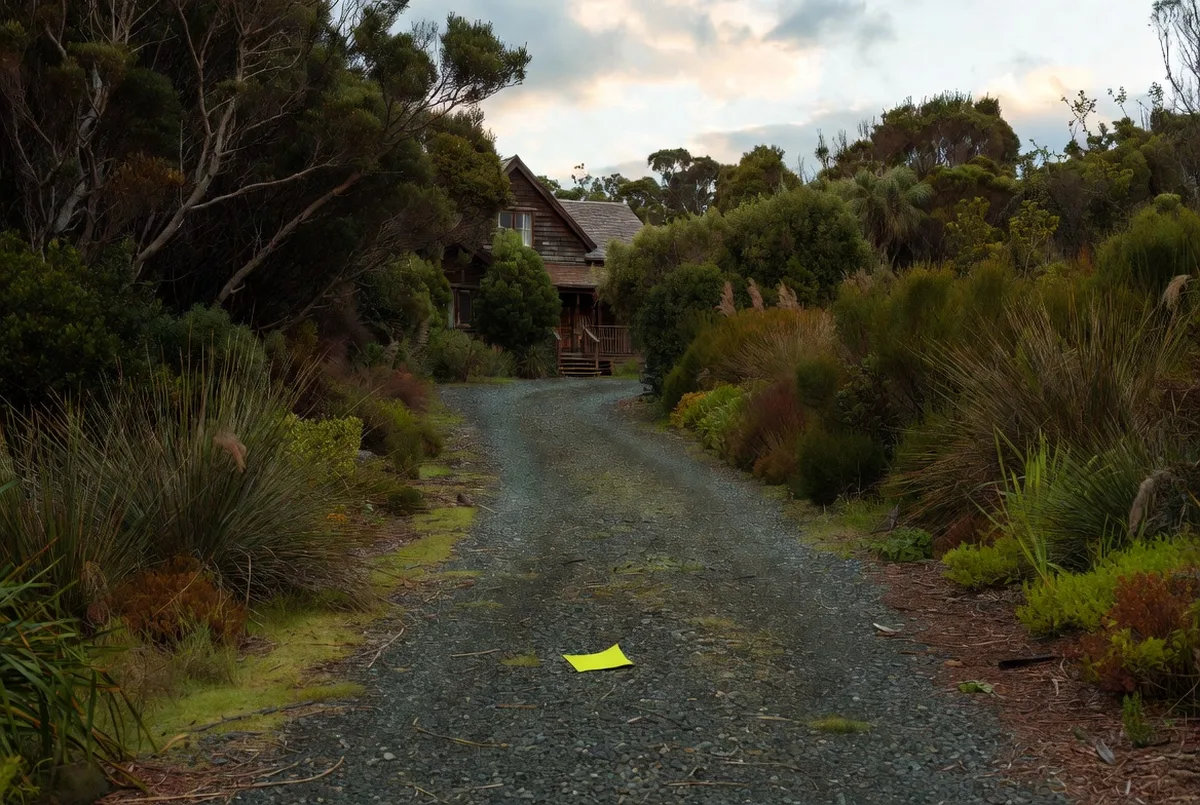
On a rural or lifestyle block, the services you take for granted in town become design decisions with their own costs and timeframes. Power may need a new connection and a run down a long driveway. Water usually means tank supply from the roof, or a bore, with storage and pumping to size. Wastewater means an on-site system that has to be designed for your soil and your household and consented separately. Stormwater has to be managed on site rather than piped away. Add all-weather access and connectivity and you have a package that can run to a significant sum, which is why services should be investigated before you buy the land, not after.
Key Questions Answered
What services do I need to arrange on a rural block?
Power, water supply and storage, on-site wastewater treatment and disposal, stormwater management, all-weather vehicle access, and connectivity. In town most are simply present; rurally each is a decision with a cost.
Why should I check services before buying?
Because they can add a substantial and highly variable amount to your project, and because some sites carry constraints that limit what you can build. Finding out afterwards means designing around a number you did not choose.
How does rural water supply usually work?
Commonly roof collection into tanks, sometimes a bore, occasionally a rural scheme. You size storage for your household and dry spells, and you need pumping and filtration to deliver useable pressure and quality.
What about wastewater?
An on-site system sized and designed for your soil conditions and household, which needs its own consent and requires ongoing maintenance. Soil and land area determine what is possible, so it is site specific.
What is the most overlooked cost?
The driveway and access, particularly a long or steep one. It needs to carry construction traffic before it carries you, and forming an all-weather access is a genuine project in its own right.
In This Guide
Key Takeaways
- Rural services (power, water, wastewater, stormwater, access, connectivity) are individual design decisions, each with cost and lead time.
- Investigate services before purchasing land; they vary enormously by site and can constrain what you are able to build.
- Water is usually roof collection into tanks or a bore, with storage sized for household use and dry periods, plus pumping and filtration.
- On-site wastewater must be designed for your soil and household, consented separately, and maintained ongoing.
- Driveway and all-weather access is the most commonly underestimated cost and must carry construction traffic first.
What does a town section give you that a rural block does not?
Almost everything you never think about. In town, power, water, wastewater and stormwater are at the boundary, the road is formed and maintained, and connectivity is a phone call. On a rural or lifestyle block each of those becomes a decision with a cost, a lead time and sometimes a consent. None of it is difficult, and it is one of the genuine pleasures of building rurally that your house looks after itself, but it does need to be counted before you buy rather than discovered afterwards.
This is the single most common way rural budgets go wrong: the land price is compared against a town section without adding what has to be brought to it. Two blocks with the same asking price can differ substantially once services are accounted for, and that difference is knowable in advance. It is the same argument we make about ground conditions in building on a sloping section.
What does each service actually involve?
Here is the shape of it. The variability is the point: two sites can sit at opposite ends of every row.
| Service | What it usually means rurally | Watch for |
|---|---|---|
| Power | New connection, possibly a long run to the building site | Distance from the network, transformer needs, undergrounding |
| Water | Roof collection into tanks, sometimes a bore | Storage sizing, pump, filtration, dry-spell capacity |
| Wastewater | On-site treatment and disposal field | Soil testing, land area, separate consent, maintenance |
| Stormwater | Managed on site, no street connection | Soakage, slope, keeping water off foundations |
| Access | Formed all-weather driveway | Length, gradient, construction traffic, final surfacing |
| Connectivity | Fibre, fixed wireless or satellite | Check on site; coverage varies over short distances |
Each row is a question with a site-specific answer, and together they form a package that deserves its own line in the budget rather than being folded into a vague allowance.
How do water and wastewater work in practice?
Water is usually roof collection into tanks, and the design work is sizing. You need catchment area, storage that carries your household through a dry spell rather than an average month, and a pump and filtration set up to deliver useable pressure and drinkable quality. Undersized storage is a common regret; tanks can be added later but rarely as neatly as if they had been planned in. Some sites have a bore, which brings its own testing, pumping and water-quality considerations.
Wastewater is decided by your land rather than your preference. Soil type, drainage and available area determine what treatment system is viable and how large the disposal field must be, which is established by site testing. It is consented separately from the building work, it takes its own time, and it needs ongoing maintenance once installed. Because it depends on soil, it is another reason the ground gets investigated before the land is bought.
Why is the driveway the most underestimated cost?
Because people picture the finished driveway and forget it has a job to do first. Before it carries you home it has to carry concrete trucks, deliveries, diggers and trades, reliably, in winter. A long or steep access needs forming, drainage and a surface that survives that traffic, and if it fails mid-build everything behind it stops. On steeper blocks the driveway can become a genuine engineering item rather than a landscaping one.
The practical sequence is to form enough access for construction early, then leave final surfacing until near the end so heavy vehicles do not wreck it. Plan that from the start. It is also worth thinking about where machinery will turn and where materials will be stored, because a site that is awkward to work quietly adds cost to every trade, exactly as we describe for sloping sites.
How do you avoid the surprise?
Investigate before you commit. Walk the block with your builder, find out where power actually is and what a connection involves, get soil testing done or at least understand what is likely, look at where water will go in heavy rain, and stand on the site and check your phone. Ask the council what consents the site will trigger beyond the building consent, because wastewater and sometimes access and earthworks have their own paths.
Then put the whole package in the budget as its own line rather than an allowance. Services are one of the clearest examples of a cost that is entirely knowable in advance and routinely discovered late, and discovering it late is how a comfortable budget becomes a tight one before the house is even designed. The general principle is in where to start when building a house.
What is the bottom line?
A rural block asks you to provide what a town section supplies: power, water, wastewater, stormwater, access and connectivity. Each is site specific, each has a cost and a lead time, and several need their own consents and ongoing maintenance. Water means storage sized for dry spells, wastewater is dictated by your soil, stormwater must be managed on site, and the driveway has to carry construction traffic long before it carries you.
All of it is knowable before you buy, which is exactly when to find out. If you are looking at a lifestyle block in Nelson Tasman, arrange a consultation and we will walk it with you and tell you what bringing services to it is likely to involve.
Frequently Asked Questions
How much do rural services add?
It varies too widely for a useful single figure, which is exactly the point. A block with power at the boundary, good soakage and a short flat driveway is a very different proposition from one needing a long power run, a bore, an engineered wastewater system and several hundred metres of formed access. Get site-specific advice before committing.
Can I rely on rainwater alone?
In most of this region, yes, with sensible storage. The design questions are roof catchment area, tank capacity sized for your household through a dry spell, and the pump and filtration to deliver pressure and quality. Undersizing storage is a common regret, and adding tanks later is easy but rarely as tidy.
What determines the wastewater system?
Your soil and land, primarily. Soil type and drainage govern how effluent can be disposed of, which determines the treatment system and the disposal field area required. It is site testing that decides this, not preference, and it is consented separately from the building work.
Is stormwater really an issue on a big block?
Yes, and more so on slopes. You cannot simply pipe it to the street, so roof and hardstand water has to be directed, slowed and soaked away without undermining foundations, creating boggy ground or sending water onto a neighbour. On a sloping site it becomes part of the earthworks design.
What about internet and mobile coverage?
Check it standing on the site rather than assuming, because coverage varies over short distances in this terrain. Options are usually fibre where available, fixed wireless, or satellite. Worth confirming early if anyone will be working from home, since it can influence where the office window goes.
When should the driveway be built?
Enough of it to carry construction traffic before construction starts, with final surfacing usually left until near the end so heavy vehicles do not destroy it. Concrete trucks, deliveries and machinery all need to get in reliably in wet weather, and a driveway that fails mid-build costs both time and money.
Research Report: Rural Site Services in Nelson Tasman
Read Full ReportService provision, consenting pathways and the access cost most often underestimated.
Planning a build in Nelson Tasman?
Talk to Ecotectural early and keep control of your design and budget from day one.
Arrange a consultation