

Building a Home in Richmond: What to Know First
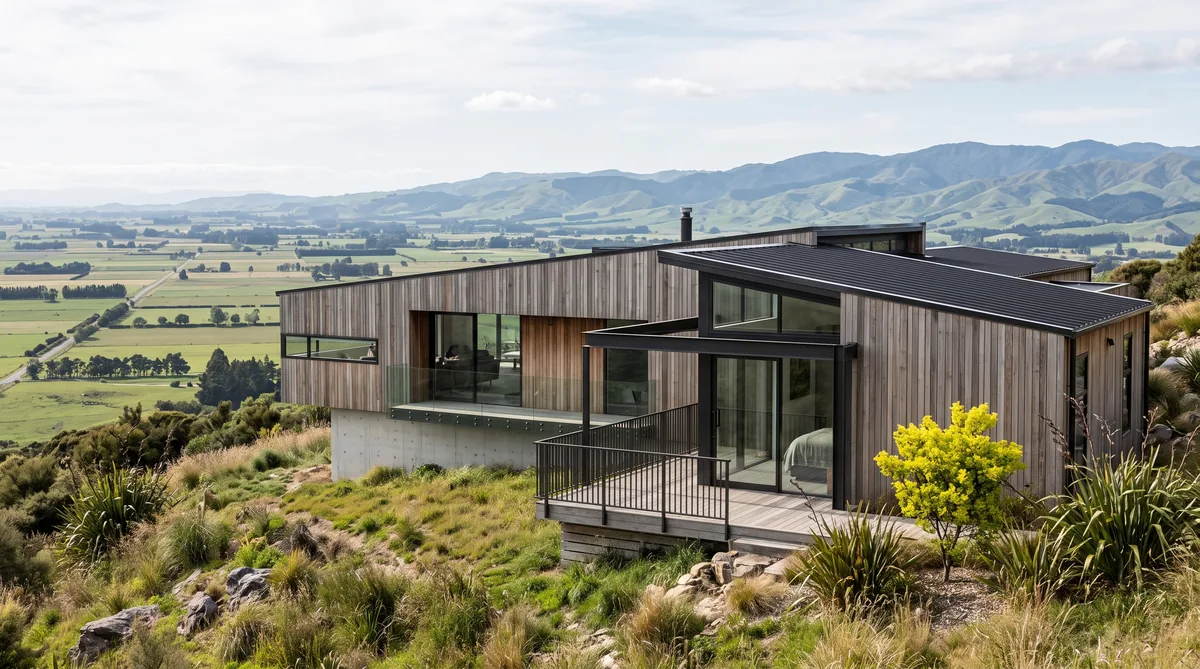
Richmond is the growing hub of the Waimea Plains, a short drive from Nelson, and it offers a mix of established suburban sections, newer subdivisions and lifestyle blocks out on the plains. The climate is warm and sunny, so orientation for northern sun is the design decision that pays back most, while some wind off the plains is worth planning for. Richmond is the seat of Tasman District Council, so your building consent is assessed close to home, and most in-town sections are served by town water, wastewater and power. The most useful first step is to read your site honestly, then design to it, rather than starting from a plan and forcing it to fit.
Key Questions Answered
What is it like to build in Richmond?
Richmond is the fast-growing hub of the Waimea, close to Nelson, with a mix of established suburban sections, new subdivisions and lifestyle blocks on the plains. It is well serviced and consented locally through Tasman District Council.
What are the sites like?
They range from level, fully serviced town sections to newer subdivision lots and larger lifestyle blocks on the Waimea Plains. Ground conditions, drainage and access differ across them, so each site deserves reading before any plan is drawn.
What does the climate mean for design?
Richmond is warm and sunny, so orientating living spaces to the northern sun and shading summer glare matters most. Some wind comes off the plains, which is worth planning for in layout, shelter and glazing.
How do consents and services work?
Richmond is the seat of Tasman District Council, so building consent is assessed against the NZ Building Code close to home. Most in-town sections have town water, wastewater and power; lifestyle blocks may need their own arrangements.
Why build with a local team?
A local design and build team knows Richmond sites, the Waimea climate and the council process first-hand, so the design suits the place from the first concept rather than being corrected later.
In This Guide
Key Takeaways
- Richmond is the growing hub of the Waimea Plains, close to Nelson, offering established suburban sections, new subdivisions and lifestyle blocks, each with different ground, drainage and access.
- The climate is warm and sunny, so orientating living areas to the northern sun and shading summer glare is the design choice that pays back most in comfort and running cost.
- Some wind comes off the plains, which is worth planning for in the layout, in shelter and in how glazing is specified.
- Richmond is the seat of Tasman District Council, so building consent is assessed locally against the NZ Building Code; most in-town sections carry town water, wastewater and power.
- Reading the site honestly before drawing a plan, and building with a team that knows the area, keeps the design suited to the place rather than corrected on site.
What is it like to build in Richmond?
Building in Richmond means building in the growing hub of the Waimea, a short drive from Nelson, with a warm sunny climate, good services and a genuine range of sites to choose from. It is one of the busiest building areas in the region, which brings both choice and the need to look closely at any individual section.
Richmond sits at the eastern edge of the Waimea Plains, where established suburban streets give way to newer subdivisions and, further out, lifestyle blocks with more room around them. That variety is the appeal: a level town section and a lifestyle block on the plains ask for quite different homes. At Ecotectural we start every project the same way regardless, with an approach we call Around One Table, bringing the right architect, an energy-literate engineer and, where it is useful, an energy consultant together from the first concept, so the home is grounded in the place from the outset. If you are weighing up the wider region, our guide to the best areas to build in Nelson Tasman puts Richmond in context.
What are the sites like around Richmond and the Waimea?
Sites around Richmond range from level, fully serviced town sections through newer subdivision lots to larger lifestyle blocks out on the Waimea Plains. They differ in ground conditions, drainage, access and services, so the same house design rarely sits equally well on all of them.
Established sections closer to the town centre tend to be level and well connected, though many are more compact, which puts a premium on how a plan uses light and space. Newer subdivisions offer a clean slate but come with their own covenants and, sometimes, made ground that needs checking. Lifestyle blocks on the plains give you room and outlook, but ask more of access, drainage and services. On the flat Waimea land, groundwater and drainage are worth understanding early, since they shape foundations and floor levels. None of this is a reason to hesitate; it is a reason to read the site before drawing a plan. Our guide on reading your building site walks through exactly what to look for, and where a section slopes, building on a sloping section covers the extra considerations.
What does the local climate mean for design?
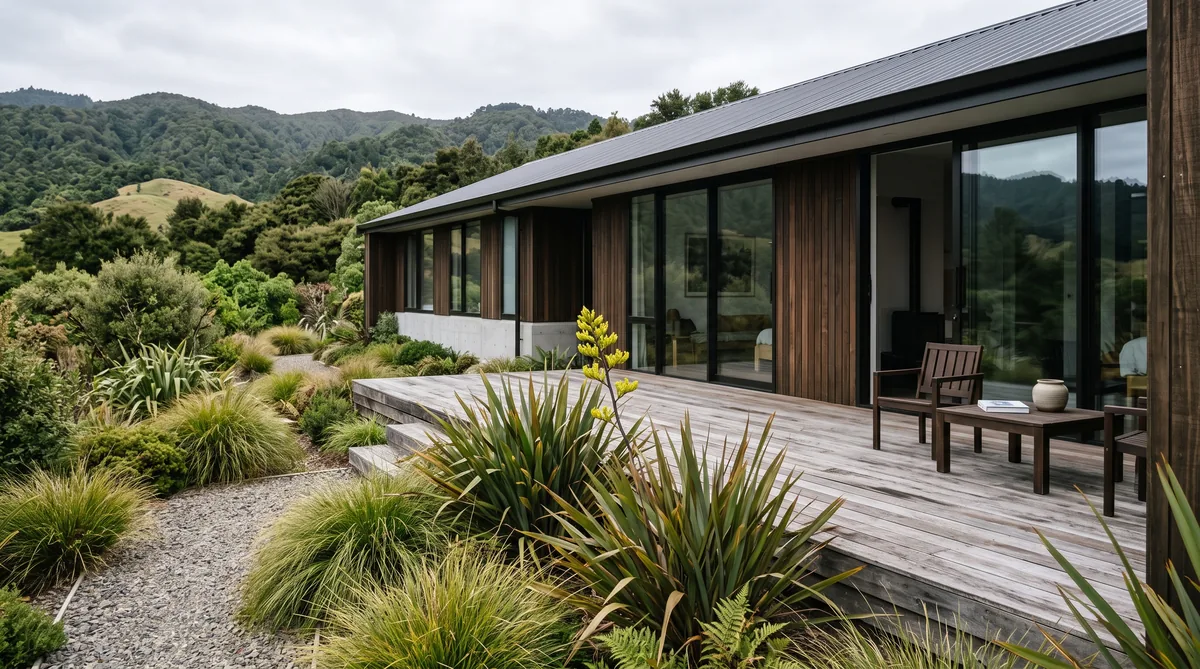
Richmond enjoys one of the sunniest climates in the country, so the design decision that pays back most is orientating living spaces to the northern sun and shading them from high summer glare. Get that right and the home is warmer, brighter and cheaper to run, every season.
Passive solar design is the quiet workhorse here. North-facing living areas capture the low winter sun for free warmth, while considered eaves and shading keep the higher summer sun out, so the home does not overheat. Some wind comes off the plains, so the layout, the placement of outdoor living and the way glazing is specified all deserve thought, both for comfort and for how sheltered the outdoor spaces feel. Where performance matters to you, these ideas can be taken further, designing and modelling a home to Passive House principles and verifying it on site, so comfort is engineered rather than hoped for. Our guide to designing for the Nelson Tasman sun goes into how orientation and shading are worked out in practice.
What about consents and services in Richmond?
Richmond is the administrative seat of Tasman District Council, so your building consent is lodged and assessed there against the NZ Building Code, the legal minimum every home must meet. Most established and subdivision sections in and around Richmond carry town water, wastewater and power, with connections to arrange.
Being consented close to home tends to make the process more straightforward, particularly for a team that works with the council regularly. The table below sets out the main considerations across the different site types, and what each asks you to plan for.
| Consideration | What it looks like around Richmond | What to plan for |
|---|---|---|
| Site types | Established town sections, newer subdivision lots and lifestyle blocks on the Waimea Plains | Read the individual site for ground, drainage and access before choosing or drawing a plan |
| Climate | Warm and very sunny, with some wind off the plains | Orientate living to the northern sun, shade summer glare, and shelter outdoor spaces from wind |
| Consenting | Assessed by Tasman District Council, seated in Richmond, against the NZ Building Code | Allow time for consent and work with a team that knows the local process |
| Services | Town water, wastewater and power on most in-town sections; less certain further out | Confirm connections early; lifestyle blocks may need their own water, wastewater or stormwater |
For a wider view of consenting, climate and services across the region, our overview of building in Nelson Tasman pulls the whole picture together.
Why build with a local design and build team?
A local design and build team knows Richmond sites, the Waimea climate and the Tasman District Council process first-hand, so the design suits the place from the first concept rather than being corrected on site later. When one team designs and builds under a single agreement, that local knowledge stays with the project the whole way through.
The practical benefit is that the hard questions, orientation, ground conditions, drainage and buildability, are solved on paper while changes are cheap, not discovered once the build is underway. Cost is handled the same way. Ecotectural prices open-book, a promise we call Built in the Open, so you see the real cost of the work with the builder’s margin, a flat 15 percent, agreed openly rather than hidden in a lump sum, and we build in a 10 percent contingency as a matter of course, on the plain logic that if you cannot afford the contingency, you cannot afford to build. You can see how the single-team route works on our design and build page.
What is the bottom line?
Building in Richmond means building in the sunny, growing hub of the Waimea, close to Nelson, with a real choice of sites, from level town sections to lifestyle blocks on the plains. The design that suits the place starts with reading the individual site, orientating to the northern sun, planning for some wind, and consenting through Tasman District Council with services confirmed early.
The decision that shapes all of that is who you build with, because a team that knows Richmond and the Waimea can ground the design in the place from the first sketch. Ecotectural has designed and built architectural homes across Nelson Tasman, including Richmond and the wider Waimea, since 2006, using Around One Table for the design and Built in the Open for transparent, open-book pricing. If you are thinking about building here, the best first step is to arrange a consultation before any plan is locked in.
Frequently Asked Questions
Is Richmond a good place to build a home?
Richmond is one of the busiest building areas in the region, valued for its warm sunny climate, its services and its short drive to Nelson. It offers a real range of sites, from level town sections to lifestyle blocks on the Waimea Plains, so there is usually something to suit how you want to live.
What kind of sites can I build on around Richmond?
You will find established suburban sections, newer subdivision lots and larger lifestyle blocks out on the plains. They differ in ground conditions, drainage, access and services, so the same house design will not sit equally well on all of them. Reading the individual site first is the honest starting point.
How does the Richmond climate affect the design?
The Waimea is warm and sunny, which is a gift if the home is orientated to the northern sun and shaded from high summer glare. Some wind comes off the plains, so shelter, layout and how glazing is specified all matter. Good passive solar design here rewards you every day of the year.
Who handles building consent in Richmond?
Richmond is the administrative seat of Tasman District Council, so your building consent is lodged and assessed there against the NZ Building Code, the legal minimum every home must meet. Being consented close to home tends to make the process more straightforward for a local team.
Are Richmond sections connected to town services?
Most established and subdivision sections in and around Richmond are served by town water, wastewater and power, with connections to arrange. Lifestyle blocks further out on the plains may rely on their own water, wastewater or stormwater arrangements, so it is worth confirming early what a site is and is not connected to.
Does Ecotectural build in Richmond?
Yes. Ecotectural has designed and built architectural homes across Nelson Tasman, including Richmond and the wider Waimea, since 2006, using an approach we call Around One Table for the design and a promise we call Built in the Open for transparent, open-book pricing.
Research Report: Building a Home in Richmond
Read Full ReportSite types, climate and orientation, consenting through Tasman District Council, services, and the case for a local design and build team.
Planning a build in Nelson Tasman?
Talk to Ecotectural early and keep control of your design and budget from day one.
Arrange a consultation