

What a LIM Report Tells You Before You Buy a Site
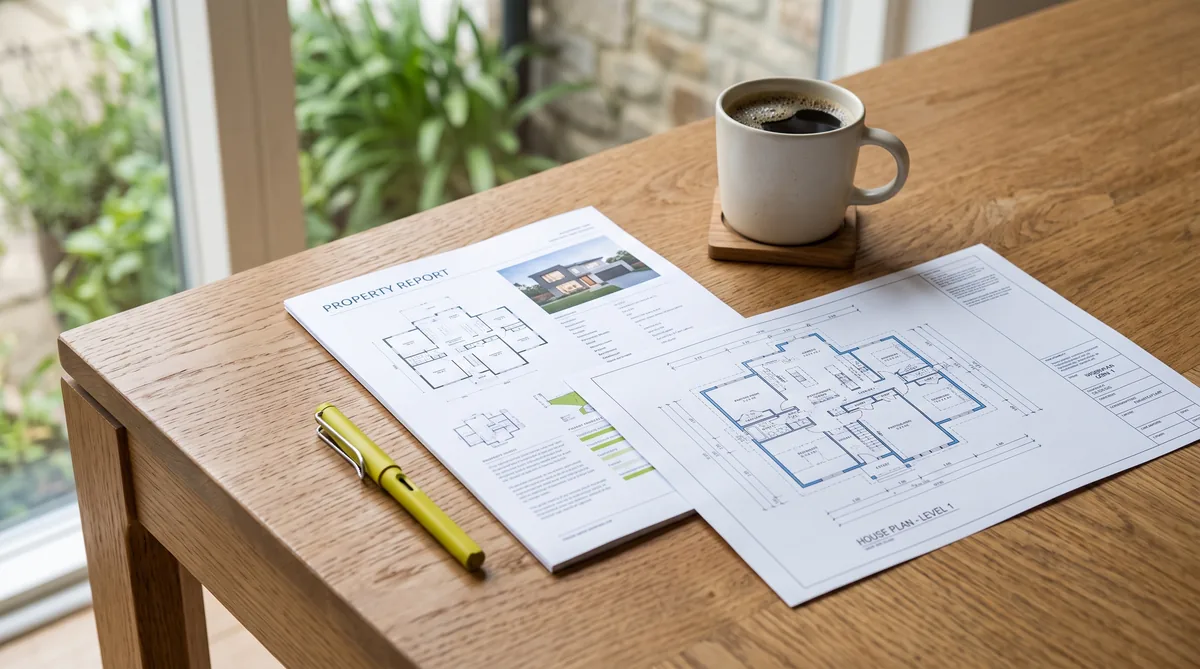
A LIM, or Land Information Memorandum, is a report the council prepares that summarises what it knows about a property, drawn from its own records. It covers natural hazards such as flood and erosion, the services connected to the site, the building consents and permits issued, the rates and any charges, and notes on zoning. You request a LIM from the council for the property you are considering, and reading it before you buy a building site can save an expensive surprise, from unconsented work you would inherit to a hazard that limits where you can build. A LIM is a council summary rather than the full property file, so it is a starting point for your due diligence, not the last word.
Key Questions Answered
What is a LIM report?
A Land Information Memorandum is a report the council prepares under the Local Government Official Information and Meetings Act, summarising what its records hold about a property: hazards, services, consents, rates and zoning notes. In Tasman it is issued by Tasman District Council.
What does a LIM cover?
Natural hazards such as flood and erosion, the services to the site, building consents and permits, rates and any special charges, and notes on the zoning that applies. It reflects what the council knows, so gaps are possible.
Why read a LIM before you buy?
Because a building site can carry problems that are invisible on a walk-through: unconsented work you would inherit, a flood or erosion hazard, or drainage that limits where a house can sit. A LIM surfaces them before you are committed.
What red flags should I look for?
Unconsented or uncompleted building work, natural hazards flagged over the site, and drainage or stormwater notes are the common ones. Any of them can add cost or constrain the design, so raise them with the council and your team early.
How is a LIM different from a property file?
A LIM is a council summary written for a particular request; the property file is the fuller collection of documents the council holds, including consent applications and inspection records. Serious buyers often read both.
In This Guide
Key Takeaways
- A LIM, or Land Information Memorandum, is a council report issued under the Local Government Official Information and Meetings Act that summarises what the council knows about a property.
- It covers natural hazards such as flood and erosion, services to the site, building consents and permits, rates and charges, and notes on zoning.
- Reading a LIM before you buy a building site can surface an expensive surprise early, from unconsented work you would inherit to a hazard that limits where you can build.
- The common red flags are unconsented or uncompleted work, natural hazards flagged over the site, and drainage or stormwater notes; each can add cost or constrain the design.
- A LIM is a summary, not the fuller property file, so treat it as the start of your due diligence and read the full file where the LIM raises questions.
What is a LIM?
A LIM, or Land Information Memorandum, is a report the council prepares that summarises what it knows about a property, drawn together from its own records. You request one from the council that covers the site, and it returns a document setting out hazards, services, consents, rates and zoning notes in one place.
The LIM is a creature of the Local Government Official Information and Meetings Act, which gives you the right to ask a council for the information it holds and sets the timeframe for the reply. In this region the report is issued by Tasman District Council. It is important to be clear about what a LIM is and is not: it is the council telling you what its records show, not an independent inspection of the land or any building on it. That distinction shapes how much weight you put on it, and it is why a LIM sits alongside a physical look at the site rather than replacing one.
What does a LIM tell you?
A LIM pulls together the things a council records against a property: natural hazards, the services connected to it, the building consents and permits issued, the rates and any special charges, and notes on the zoning that applies. Each of those can change what you are able to build, and what it will cost.
On a bare building site the hazard and zoning notes tend to matter most, because they set the boundaries the design has to work within before a single line is drawn. The table below shows the main sections you will meet in a LIM and what to look for in each.
| LIM section | What to look for |
|---|---|
| Hazards | Notes on flood, erosion, land instability, liquefaction or coastal inundation over the site, and any conditions the council has flagged that could limit where or how you build. |
| Services | Whether water, wastewater, stormwater and power are connected or nearby, or whether the site relies on a bore, a tank and an on-site wastewater system that you will need to design and consent. |
| Consents | The building consents and permits issued, and crucially whether each was signed off with a code compliance certificate, which flags any unconsented or uncompleted work you would inherit. |
| Zoning and rates | The zone the land sits in and any planning notes, plus the rates and special charges attached to the property, which together shape what is permitted and what it costs to hold. |
None of these read like a verdict on their own. They are prompts for the questions you then take back to the council, to your solicitor and to the team who will design the home. How the site itself behaves, its slope, aspect and ground, is a separate study; our guide to reading your building site works through that side.

Why read a LIM before you buy?
Because a building site can carry problems that are invisible on a walk-through, and a LIM is the cheapest way to find them while you can still walk away. A flood overlay, a service that is not actually connected, or a room added without consent will each cost real money, and it is far better to know before you are committed than after.
Reading the LIM early also changes the conversation you have about budget. If the report flags an erosion hazard or an on-site wastewater requirement, that is not a reason to abandon the site, but it is a cost and a design constraint to price in from the start, alongside a 10 percent contingency, rather than a surprise that lands mid-build. At Ecotectural we bring this thinking to the table early through an approach we call Around One Table, where the right architect and an energy-literate engineer look at a site together from the first concept. Reading a LIM with that team before you buy means the site is chosen with its constraints understood, not discovered later. It is the same logic that runs through our design and build work: solve the hard questions on paper, while changes are still cheap.
What are the red flags to look for?
Three things deserve particular attention: unconsented work, natural hazards and drainage. Any of them can add cost or limit the design, and each is easy to miss if you skim the report.
Unconsented or uncompleted work is the classic one. If a building consent was issued but no code compliance certificate followed, the work may not have been signed off, and as the new owner you would inherit the job of putting that right. Natural hazards are the second: a flood, erosion, instability or coastal note over the site does not rule out building, but it can dictate floor levels, foundations and where the house can sit, all of which carry cost. Drainage and stormwater notes are the third, quieter flag; a site that struggles to shed water, or that must connect to a distant or constrained network, can be expensive to build on well. Some sites also sit under planning controls that need a separate approval, which is a different process from building consent. Our explainer on resource consent versus building consent covers when that second approval comes into play, and rural and lifestyle sites carry their own service and access questions, which our guide to building on a lifestyle block works through.
How is a LIM different from a property file?
A LIM is a council summary written in response to your request; the property file is the fuller collection of documents the council holds on the property. The LIM tells you what the records show in a structured report, while the property file is the underlying paperwork the summary is drawn from.
In practice the property file holds the detail: the actual consent applications, approved plans, inspection records and correspondence over the years. Where a LIM notes that a consent was issued, the property file lets you read the consent itself and check what was approved against what stands on the ground. For a straightforward bare section a LIM is often enough for a first pass, but where the report raises a question, an old consent without a code compliance certificate, or a hazard note you do not understand, reading the property file, usually with your solicitor, is the sensible next step. Neither document is a physical inspection, so both sit alongside a proper look at the land itself before you commit.
What is the bottom line?
A LIM is a council report, prepared under the Local Government Official Information and Meetings Act and issued in this region by Tasman District Council, that summarises what the council knows about a property: hazards, services, consents, rates and zoning. Reading it before you buy a building site turns invisible problems into known costs, from unconsented work to a flood or erosion hazard, while you can still walk away or price the constraint in. Remember it is a summary, not the fuller property file, and not a substitute for looking at the land itself.
The most useful time to read a LIM is before you commit to a site, and it is far more useful still when read with the people who will design and build the home. Ecotectural has designed and built architectural homes across Nelson Tasman since 2006, and we are glad to look over a LIM with you and gauge how a site’s constraints will shape a design and a budget. If you are weighing up a section, the best first step is to arrange a consultation before you buy.
Frequently Asked Questions
What does LIM stand for?
LIM stands for Land Information Memorandum. It is a report a council prepares on request under the Local Government Official Information and Meetings Act, summarising the information the council holds about a particular property. In Tasman it is issued by Tasman District Council.
How do I get a LIM report?
You apply to the council that covers the property and pay a fee, and the council returns the report within the statutory timeframe set by the Local Government Official Information and Meetings Act. A buyer, an agent or a solicitor can order one, and it is usually worth doing before you go unconditional.
Does a LIM guarantee there are no problems with the site?
No. A LIM reports what the council knows from its records, so anything the council was never told about, such as work done without consent, may not appear. It is a strong tool for due diligence, but it sits alongside a physical inspection and, where useful, a look at the fuller property file.
Is a LIM the same as a builder’s report?
No. A LIM is a council record of hazards, services, consents, rates and zoning. A builder’s or building inspector’s report is a physical assessment of the condition of any existing structure. On a bare building site the LIM and a good look at the ground matter more than a condition report.
Should I get a LIM for a bare section?
Yes. On a bare building site the LIM is arguably more useful than on an existing house, because it flags flood and erosion hazards, service connections and zoning notes that shape what you can build and where. Our guide to reading your building site works through how these factors affect a design.
Can Ecotectural help me read a LIM before I buy?
Yes. Ecotectural has designed and built architectural homes across Nelson Tasman since 2006, and we regularly look over a LIM with prospective clients to gauge how hazards, services and zoning will shape a design and a budget before they commit to a site.
Research Report: Reading a LIM Before You Buy a Building Site
Read Full ReportWhat a Land Information Memorandum covers, why it matters before you buy a site in Nelson Tasman, the red flags to look for, and how it differs from the fuller property file.
Planning a build in Nelson Tasman?
Talk to Ecotectural early and keep control of your design and budget from day one.
Arrange a consultation