

Producer Statements and Inspections During a Build
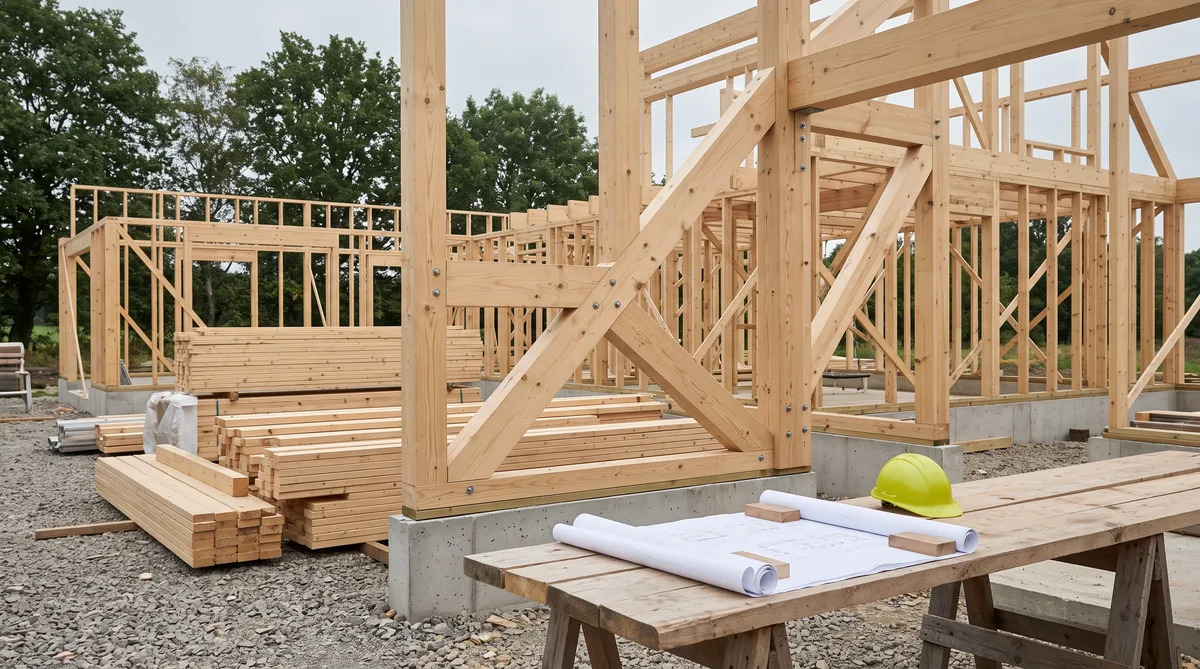
A producer statement is a professional’s signed assurance that part of the work meets the NZ Building Code, for example a structural engineer confirming the design or the completed structure. Alongside it, the council carries out inspections at set points through the build, commonly the foundations, framing, pre-line and final stages, checking the work against your consent. The Licensed Building Practitioner records their own work, the engineer signs for the elements they designed or observed, and the council signs off the whole against the Building Act. Together these checks give you independent assurance at each stage and build the paper trail that supports your code compliance certificate.
Key Questions Answered
What is a producer statement?
A producer statement is a signed assurance from a suitably qualified professional, often a chartered structural engineer, that part of the work has been designed or built to meet the NZ Building Code. It is professional advice the council may rely on, not a legal substitute for its own checks.
What inspections happen during a build?
The council inspects at set hold points named in your consent, commonly the foundations, framing, pre-line, and a final inspection. Each is booked at the right moment so the work can be seen before it is covered, and the build cannot proceed past a failed inspection until it is put right.
Who signs off what?
The Licensed Building Practitioner records and takes responsibility for restricted building work, the engineer signs producer statements for elements they designed or observed, and the council conducts inspections and issues the code compliance certificate under the Building Act.
How do these checks protect me?
They give you independent eyes on the work at the points that matter, before things are covered up. Producer statements, council inspections and practitioner records each verify a different part, so no single party is marking their own homework unchecked.
How do they support the CCC?
Every passed inspection, producer statement and practitioner record becomes part of the file the council reviews before issuing the code compliance certificate. A complete, tidy paper trail is what lets that final sign-off happen without delay.
In This Guide
Key Takeaways
- A producer statement is a qualified professional’s signed assurance that part of the work meets the NZ Building Code; the council may rely on it but still runs its own inspections.
- Council inspections happen at hold points through the build, commonly foundations, framing, pre-line and final, so the work is seen before it is covered up.
- The Licensed Building Practitioner records restricted building work, the engineer signs for what they designed or observed, and the council signs off under the Building Act.
- These overlapping checks give you independent assurance at each stage, rather than any one party verifying their own work unchecked.
- Every inspection result, producer statement and practitioner record forms the paper trail the council reviews before issuing your code compliance certificate.
What is a producer statement?
A producer statement is a signed assurance from a suitably qualified professional that part of the work has been designed or built to meet the NZ Building Code. Most often it comes from a chartered structural engineer, confirming either the design of an element or that the completed work matches what was designed and observed on site.
The important thing to understand is what it is and is not. It is professional advice, backed by the author’s qualifications and indemnity, that the council may choose to rely on when assessing your consent. It is not a legal substitute for the council’s own judgement, and the council can always ask for more. There are different kinds, broadly covering design and construction review, but for a home the ones you are most likely to see relate to structural and geotechnical work, where an engineer takes responsibility for the parts of the build that keep it standing. It sits within the wider consent process, which our guide to the building consent process in Nelson Tasman sets out in full.
What inspections happen during a build?
The council inspects your build at set hold points named in your building consent, checking the work against the approved plans and the NZ Building Code. The common ones are the foundations, the framing, the pre-line stage just before linings go on, and a final inspection once the home is complete.
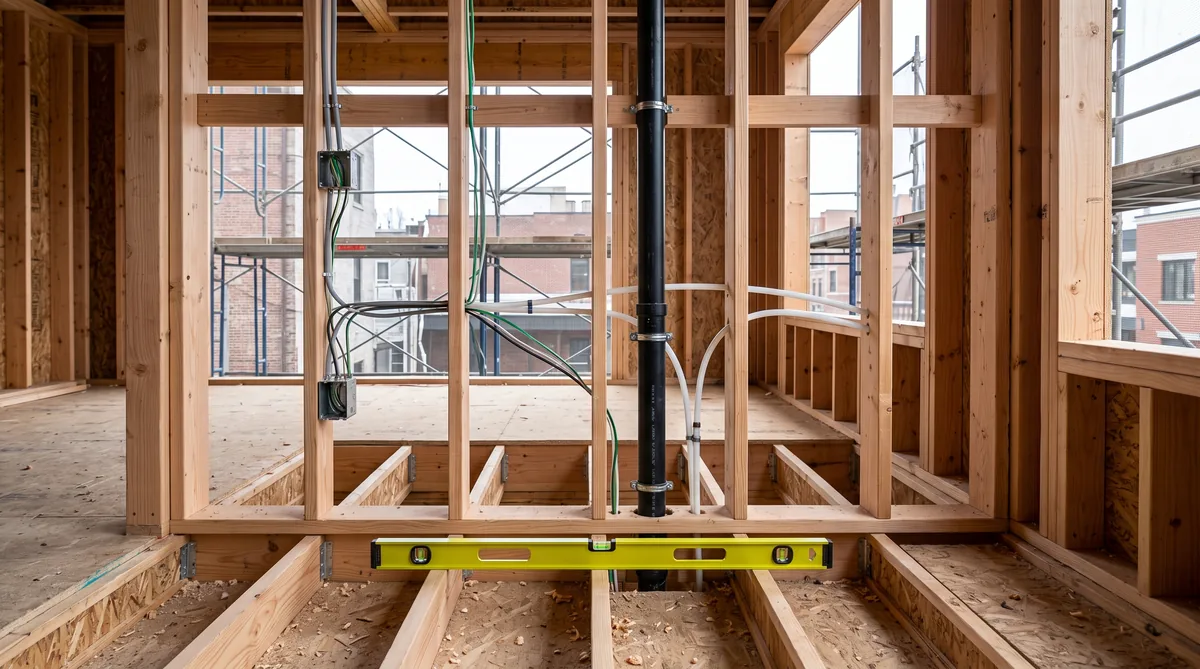
The logic behind the timing is simple: each inspection happens while the work can still be seen, before the next stage covers it. Foundations are checked before the concrete is poured, framing before it is wrapped and clad, and pre-line before the walls are lined, so anything that needs correcting is caught while it is cheap and accessible to fix. Your specific consent lists the exact inspections required, because a sloping site, a coastal exposure or an unusual structure can add hold points beyond the usual set. If an inspection does not pass, the build does not proceed past that point until the work is put right and re-inspected. That discipline is one of the quiet strengths of a well-run build: nothing important is covered up without an independent check first.
Who signs off what?
Three parties carry different responsibilities. The Licensed Building Practitioner records and stands behind the restricted building work, the engineer signs producer statements for the elements they designed or observed, and the council carries out the inspections and issues the final code compliance certificate under the Building Act.
Restricted building work is the structural and weathertightness work that, by law, must be carried out or supervised by a Licensed Building Practitioner, who provides records of the work as part of the file. The engineer’s role is narrower and deeper: they take professional responsibility, through producer statements, for the specific elements within their expertise. The council sits over the whole, inspecting at the hold points and, at the end, deciding whether the completed home meets the consent well enough to certify. The table below sets out who does what.
| Check | Its role in your build |
|---|---|
| Producer statement | A qualified professional, usually a chartered engineer, signs to assure that specific elements have been designed or built to the NZ Building Code; the council may rely on it within its assessment. |
| Council inspection | The council physically checks the work on site at set hold points, foundations through to final, verifying it against the consented plans before each stage is covered. |
| Licensed Building Practitioner records | The practitioner records and takes responsibility for the restricted building work they carried out or supervised, forming part of the file the council reviews. |
None of these overlaps entirely, which is exactly the point. Each verifies a different slice of the work, so the assurance is layered rather than resting on any single signature.
How do these protect you?
They give you independent eyes on the work at the moments that matter most, before anything is covered up, so problems are found while they are still easy and cheap to correct. Because the checks are shared across the engineer, the Licensed Building Practitioner and the council, no single party is quietly marking their own homework.
That independence is the real protection. A producer statement means a professional has staked their name and indemnity on an element being sound. A council inspection means someone with no stake in the build has physically looked at the work against your consent. A practitioner record means the person responsible for the restricted work is named and accountable. For you as the homeowner, this is verification you did not have to arrange yourself, layered through the build rather than left to a single hopeful sign-off at the end. It is worth being clear about what it confirms: these checks assure the work meets the NZ Building Code, which is the legal minimum, not a measure of comfort or energy performance. A genuinely warm, dry, low-running-cost home comes from designing well above that floor, to Passive House principles, and modelling it early. The inspections confirm the build matches the design; the design is where performance is actually decided.
How do they fit an open-book build?
Every passed inspection, signed producer statement and practitioner record becomes part of the file the council reviews before issuing your code compliance certificate, so the paper trail is not administrative clutter but the evidence that lets the build be signed off cleanly. In an open-book build, the cost of that work is visible too, rather than hidden in a lump sum.
This is where the checks and our way of working meet. Ecotectural prices open-book, a promise we call Built in the Open, so consent fees, inspection costs and any engineering or specialist input appear as real lines you can see, with the builder’s margin, a flat 15 percent, agreed openly rather than buried. Our guide to how open-book pricing works shows how those lines are built up. Keeping the inspection and producer-statement records tidy through the build is part of the same discipline, because a complete, well-ordered file is what allows the code compliance certificate to be issued without a scramble for missing paperwork at the end. A build that is honest about its costs tends to be honest about its records, and both leave you in control. You can see how we hold the whole process together on our design and build page.
What is the bottom line?
A producer statement is a professional’s signed assurance that part of the work meets the NZ Building Code, and council inspections are the independent checks at each hold point through the build, from foundations to final. The Licensed Building Practitioner, the engineer and the council each verify a different part, which gives you layered, independent assurance rather than a single unchecked sign-off, and every record builds the file behind your code compliance certificate.
Understanding these checks makes you a calmer client, because you can see how a well-run build is verified as it goes, not hoped over at the end. Ecotectural has built architectural homes across Nelson Tasman since 2006, coordinating the engineer, the Licensed Building Practitioner and the council through every inspection, and pricing the work openly under our Built in the Open promise. If you are planning a build and want to understand how the consenting and inspection process will run for your project, the best first step is to arrange a consultation.
Frequently Asked Questions
Is a producer statement a legal requirement?
Not in every case. A producer statement is professional advice the council may choose to accept as part of its assessment, most often for structural or geotechnical work. The council still makes the final call and can ask for more information, so a producer statement supports the process rather than replacing the council’s own checks.
Who can write a producer statement?
A suitably qualified and experienced professional, typically a chartered professional engineer for structural or geotechnical work, or another recognised specialist for their field. They are putting their professional name and indemnity behind the statement, which is why it carries weight with the council.
What happens if an inspection fails?
The work does not proceed past that hold point until it is corrected and re-inspected. That is the point of inspecting before the work is covered: a fault found at framing is straightforward to fix, whereas the same fault found after linings and cladding are on is slow and expensive.
What is the difference between a producer statement and an inspection?
A producer statement is a professional’s written assurance about work they designed or observed. A council inspection is the council’s own physical check of the work on site against your consent. They are complementary: the statement is expert opinion, the inspection is independent verification.
Do these checks guarantee a high-performance home?
They confirm the work meets the NZ Building Code, which is the legal minimum, not a performance target. A warm, dry, low-energy home comes from designing well above that floor to Passive House principles and modelling performance early. The inspections confirm the build matches the consented design; the design is where performance is won.
How does Ecotectural handle producer statements and inspections?
Ecotectural has built architectural homes across Nelson Tasman since 2006, coordinating the engineer, Licensed Building Practitioner and council inspections through the build and keeping the records tidy for your code compliance certificate. Because we price open-book under our Built in the Open promise, the inspection and consenting costs are visible rather than buried in a lump sum.
Research Report: Producer Statements and Inspections During a Build
Read Full ReportWhat producer statements are, the council inspections through a build, who signs off what under the Building Act, and how the records support the code compliance certificate.
Planning a build in Nelson Tasman?
Talk to Ecotectural early and keep control of your design and budget from day one.
Arrange a consultation