

Is a Passive House Worth It in New Zealand?
For most people building a long-term home in Nelson Tasman, a Passive House is worth it. You pay a construction premium of roughly 50,000 to 100,000 dollars on a 200 square metre home, and in return you get a home that stays warm in winter and cool in summer, stays dry and free of mould, uses far less heating energy, and is quiet and healthy. The premium is usually recovered over time through lower running costs and far better day to day comfort.
Key Questions Answered
How much more does a Passive House cost to build in NZ?
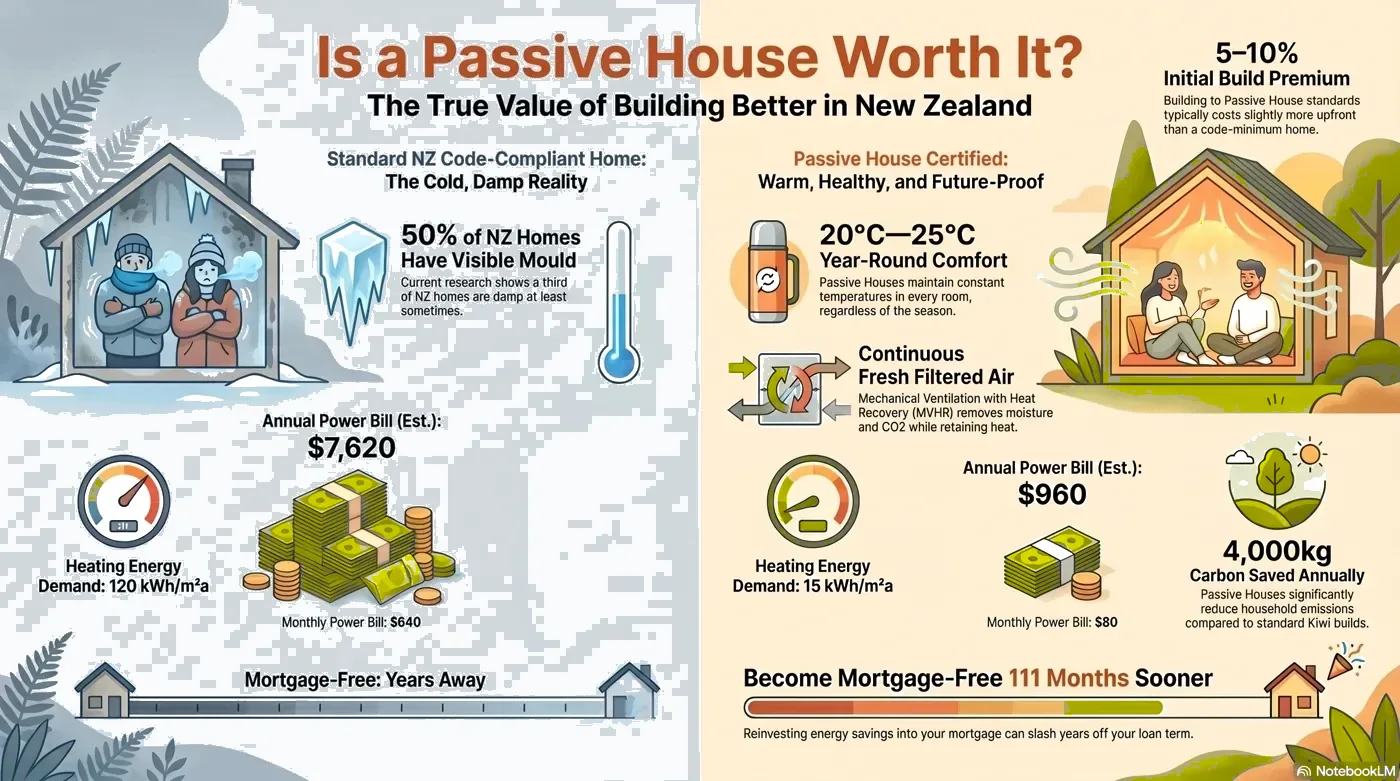
The construction premium is roughly 50,000 to 100,000 dollars on a 200 square metre home, driven mostly by high performance windows and doors, then insulation and airtightness, then ventilation (Smart Living Spaces).
Does a Passive House actually save money?
Yes, over time. The extra cost is typically recovered in under ten years through lower energy bills, with further savings in health and comfort (Respond Architects). A Passive House also earns many Homestar points (PHINZ).
Is a Passive House warmer and drier than a normal NZ home?
Yes. BRANZ HEEP2 research found about half of NZ homes had visible mould and about a third were damp at least some of the time. A Passive House is designed to stay warm, dry and mould free.
Does a Passive House have to look like a box?
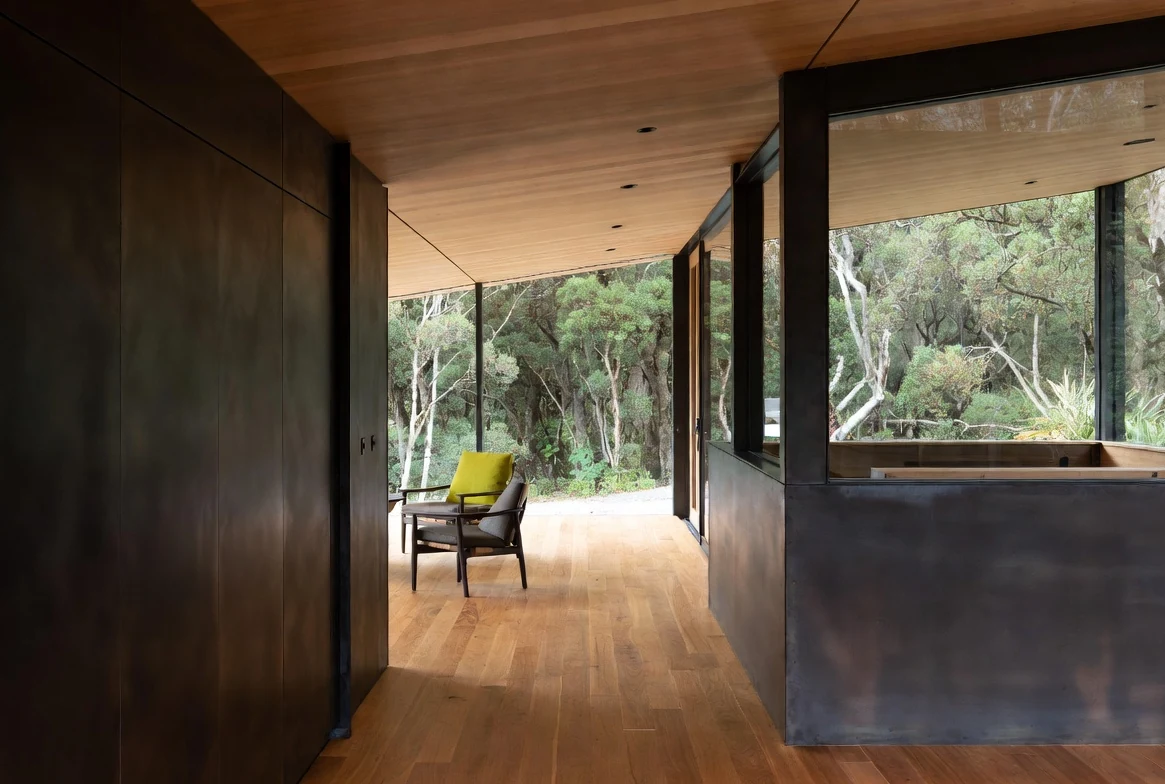
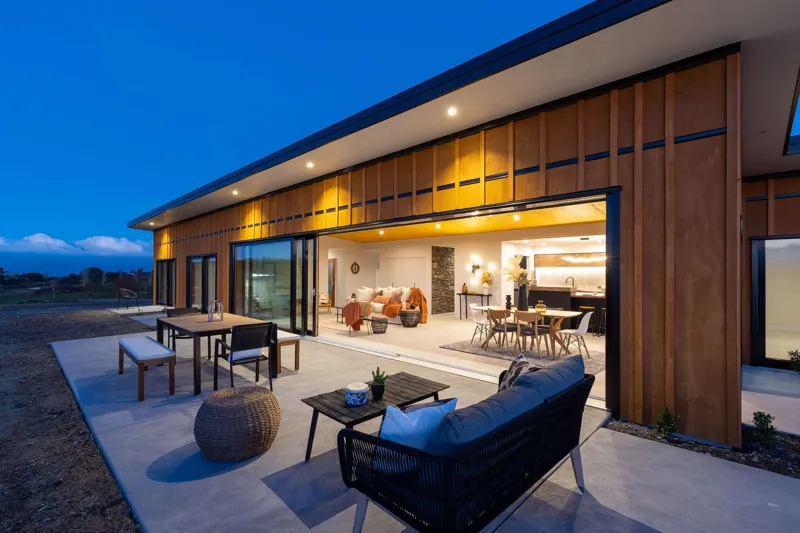
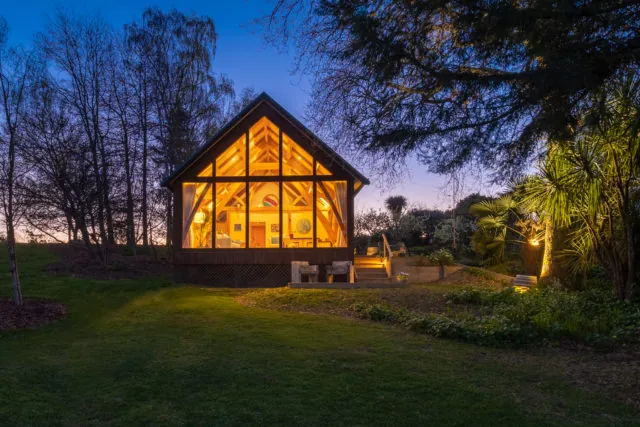
No. A Passive House can be architecturally striking. Form is shaped by orientation and glazing, not restricted to a box, as built examples show (Respond Architects).
In This Guide
- What does "worth it" actually mean for a Passive House?
- How much more does a Passive House cost to build?
- How does a Passive House compare to a code-compliant home?
- What are the real comfort and health benefits?
- Does a Passive House pay for itself?
- How can you bring the Passive House premium down?
- What is the bottom line?
Key Takeaways
- A Passive House meets the international PHINZ standard for airtightness, insulation, ventilation and comfort, not just a marketing label.
- The construction premium is roughly 50,000 to 100,000 dollars on a 200 square metre home, mostly from high performance glazing (Smart Living Spaces).
- BRANZ HEEP2 research found about 50 percent of NZ homes had visible mould and about 20 percent of people saw their breath indoors in winter, the problem a Passive House is built to solve.
- The extra cost is typically recovered in under ten years through lower running costs, with additional health and comfort gains (Respond Architects).
- New Zealand’s Building Code sets the minimum legal standard, which the SuperHome Movement notes is well behind comparable countries, so building to the Code alone is not the same as building a high performance home.
What does "worth it" actually mean for a Passive House?
Worth it depends on what you are buying. A Passive House is not a more expensive version of an ordinary home. It is a different category of building, verified to an international performance standard, that changes how the home feels and what it costs to run every day.
For a one off rental flip, the premium is hard to justify. For a long term family home or a forever home in Nelson Tasman, which is what most Ecotectural clients are building, the calculation looks very different. You are buying decades of comfort, low running costs and a healthy indoor environment, not a short term return.
This guide covers the four things that decide whether a Passive House is worth it for you: the cost premium, the running costs, the comfort and health gains, and the long term value.
How much more does a Passive House cost to build?
The construction premium for a Passive House is roughly 50,000 to 100,000 dollars on a 200 square metre family home, according to Smart Living Spaces. Most of that premium sits in a small number of line items.
High performance windows and doors are the largest share, around 40 to 50 percent of the premium. Insulation and airtightness make up roughly 25 to 30 percent, mechanical ventilation with heat recovery around 15 to 20 percent, and energy modelling and design the remaining 5 to 10 percent (Smart Living Spaces). Knowing where the premium goes is what lets a builder and client manage it without losing performance.
For context, high end architectural builds in New Zealand run from about 3,800 to 4,500 dollars per square metre, and luxury builds can exceed 5,000 to 7,000 dollars per square metre (Trade Me Property). The Passive House premium is a layer on top of that, not the whole cost, and it is one of the few parts of a build budget that pays you back.
How does a Passive House compare to a code-compliant home?
New Zealand’s Building Code is the minimum legal standard. The SuperHome Movement points out that this minimum sits well behind comparable countries, so a home built to the Code alone is built to the lowest standard the law allows. A Passive House is built to a measured performance standard instead. The difference shows up across every part of the home.
| Factor | Typical code-compliant home | Passive House |
|---|---|---|
| Indoor comfort | Swings with the weather, cold corners in winter | Stable, warm in winter and cool in summer |
| Damp and mould | About 50% of NZ homes had visible mould (BRANZ HEEP2) | Designed to stay dry and mould free |
| Heating energy | High, and often homes are under heated to save cost | Very low heating demand by design |
| Fresh air | Opening windows, drafts, or none | Continuous filtered air via heat recovery ventilation |
| Airtightness | Leaky, uncontrolled | Airtight, tested and verified |
| Build standard | Minimum allowed by law (SuperHome Movement) | Built and verified to the Passive House standard (PHINZ) |
The point of the table is simple. A code-compliant home meets the law. A Passive House meets a performance promise that is measured and verified.
What are the real comfort and health benefits?
This is where a Passive House earns its keep, and it is the reason many Nelson Tasman clients start the conversation. New Zealand homes have a well documented comfort and health problem. BRANZ HEEP2 research, covering more than 750 households, found about half had visible mould, about one in five people reported seeing their breath indoors and shivering in winter, and about a third said their home was damp at least some of the time (Sustainable Engineering).
A Passive House is designed specifically to remove those conditions. Continuous insulation and airtight construction hold a steady indoor temperature, while mechanical ventilation with heat recovery supplies constant fresh, filtered air and helps keep humidity in check. The result is a home that stays warm, dry, quiet and healthy through a Tasman winter, not one you have to fight to heat.
For a family planning to live in a home for decades, that daily comfort and the reduced risk of damp and mould is not a luxury. It is the core of what you are buying.
Does a Passive House pay for itself?
Over the life of a long term home, yes. Respond Architects note that the added cost of a Passive House is typically recovered in under ten years through lower energy bills, with further savings from less time off work and fewer health costs. After that, the lower running costs keep adding up for the life of the home.
There is a resale and rating benefit too. A Passive House will gain many Homestar points (PHINZ), and a verified performance standard is a clear, independent signal of quality to a future buyer, rather than an unprovable claim.
The honest caveat is that the payback depends on how long you stay and how you live. For a forever home, the maths is strong. For a short hold, the comfort and health benefits matter more than the dollar payback.
What is the bottom line?
For a long term home in Nelson Tasman, a Passive House is worth it. You pay a construction premium of roughly 50,000 to 100,000 dollars on a 200 square metre home (Smart Living Spaces), and in return you get a home that is warm, dry, quiet and healthy, costs far less to run, and is built to a verified standard rather than the legal minimum.
The premium is real, but it is one of the few parts of a build that pays you back, usually within ten years (Respond Architects), and then keeps paying for the life of the home. The way to make the numbers work is to engage a Passive House builder early, so the design and the budget are managed together from day one. If you are planning a home in Nelson Tasman, the best first step is to arrange a consultation before the design is locked in.
Frequently Asked Questions
What is a Passive House?
A Passive House is a home built to the international Passive House standard, administered in New Zealand by PHINZ. It combines continuous insulation, airtight construction, high performance glazing, thermal bridge free detailing and mechanical ventilation with heat recovery to keep the home warm, dry, quiet and low energy. When a finished home is independently assessed and meets the targets, it can be certified by the Passive House Institute.
Is a Passive House only for wealthy people?
Passive Houses in NZ have been seen as the realm of the wealthy, and the premium can feel daunting (Respond Architects). The cost is real, but for a long term home the running cost and health benefits change the picture, and several design levers can bring the premium down.
Will a Passive House overheat in a Nelson summer?
A well designed Passive House manages summer heat through orientation, shading and ventilation. Overheating is a design question, which is why early collaboration between builder, architect and energy consultant matters on a sun exposed Nelson Tasman site.
How is a Passive House different from a Homestar home?
They are complementary, not rivals. Homestar rates a home’s overall sustainability, while Passive House targets measured energy and comfort performance. A Passive House will gain many Homestar points (PHINZ).
Does a Passive House need special heating?
No. Because the envelope is so efficient, heating demand is very low. Mechanical ventilation with heat recovery supplies constant fresh, filtered air while recovering most of the heat, so the home stays comfortable with very little added energy.
Can Ecotectural build a Passive House in Nelson Tasman?
Yes. Ecotectural is based in Tasman and builds bespoke architectural homes to the Passive House standard across Nelson, Motueka, Mapua, Richmond and Kaiteriteri. The best first step is to arrange a consultation early, before the design is locked in.
Research Report: High-Performance Housing in New Zealand
Read Full ReportPerformance, economics and health, grounded in BRANZ HEEP2, PHINZ and NZ building science sources.
How Ecotectural Can Help
Services and systems related to this guide

Planning a build in Nelson Tasman?
Talk to Ecotectural early and keep control of your design and budget from day one.
Arrange a consultation