

Design and Build vs Traditional Tender: Which Path Should You Choose?
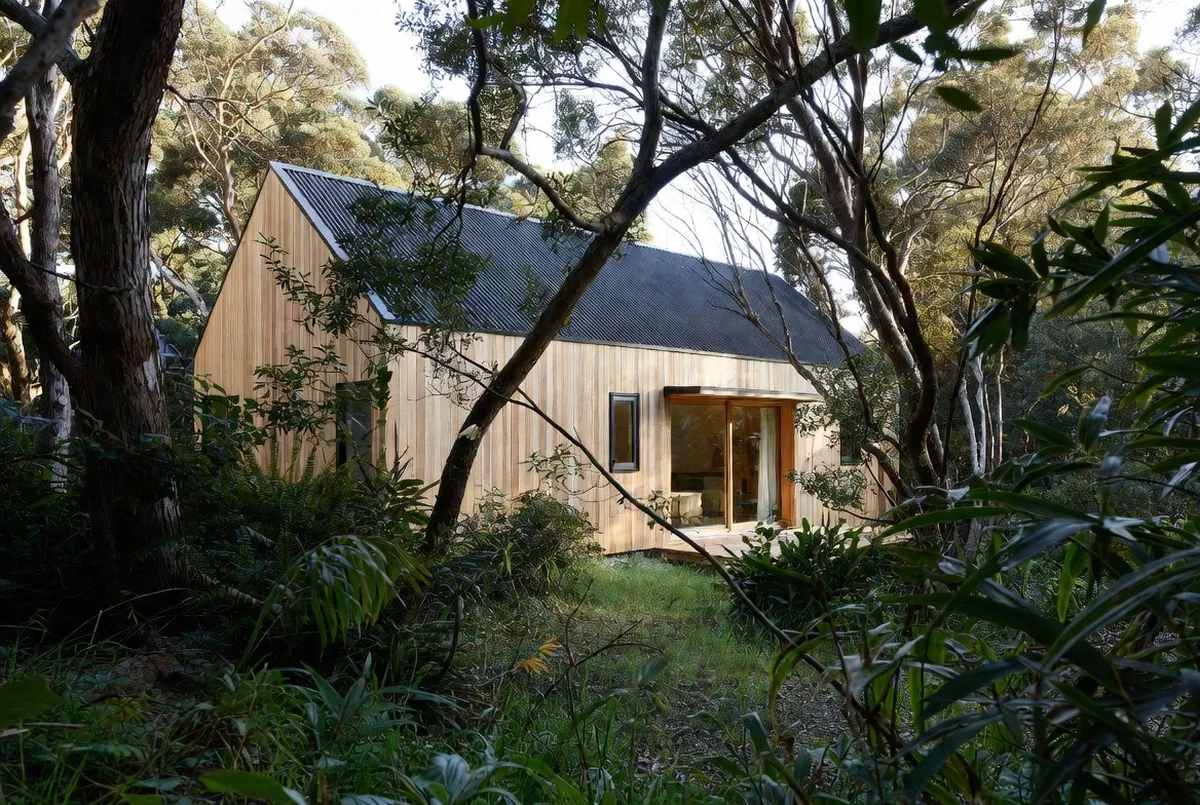
Design and build puts one team in charge of both the design and the construction, so the home is drawn to a real budget with buildability and cost knowledge in the room from the start. Traditional tender separates them: the design is completed first, then issued to builders to price. Tender suits fully documented, conventional projects where every builder prices identical scope. Design and build suits one-off, high-performance homes, because the expensive decisions get tested against real costs while they are still cheap to change, and there is a single line of accountability when something needs solving.
Key Questions Answered
What is design and build?
One team leads both the design and the construction. The builder is involved from early design, so cost, buildability and the site shape the home as it is drawn rather than being discovered after.
What is traditional tender?
The design is completed by a designer or architect first, then issued to several builders who price it and submit tenders. Design and construction sit with separate parties.
Which gives better cost control?
Design and build, on a one-off home. Costs are tested continuously as the design develops, instead of arriving as a single number after every decision has already been locked in.
Which is better for accountability?
Design and build, because one team owns the outcome. Under tender, responsibility for a problem can sit between the designer and the builder, and the owner ends up mediating.
When is tender still the right choice?
When the design is fully documented and conventional, so every builder prices exactly the same scope and price tension works cleanly in your favour.
In This Guide
Key Takeaways
- Design and build gives one team responsibility for both design and construction; traditional tender separates them, pricing only after the design is finished.
- On one-off homes, design and build controls cost better because expensive decisions are tested against real prices while they are still cheap to change.
- Tender works well on fully documented, conventional projects where every builder prices identical scope.
- Design and build gives a single line of accountability, so problems are solved rather than argued between parties.
- Under tender the lowest number often reflects the least included, and the gap returns as variations after commitment.
What are the two routes?
Traditional tender is the older model: a designer or architect completes the drawings, then those drawings go out to several builders who each price them and submit a tender. Design sits with one party, construction with another, and they meet at the point where the paperwork is handed over. Design and build joins them: one team carries responsibility for both, with the builder involved from early in the design so cost, buildability and the realities of your site shape the home as it is drawn.
The difference is not really about paperwork, it is about when cost knowledge arrives. Under tender it arrives at the end, after every decision has been made. Under design and build it is present throughout. On a conventional house that matters little. On a one-off architectural home it changes almost everything, which is the argument behind engaging a builder before an architect.
Which gives you better control of cost?
Design and build, on any home that has not been built before. The reason is simple: a decision is cheap to change on paper and expensive to change on site. When a builder is pricing as the design develops, you find out that a particular roof form, span or cladding choice carries a cost while you can still weigh it against something else. Under tender, all of those decisions are made first and priced once, at the end, and if the number comes back too high your only options are to redesign, to strip the specification, or to proceed uncomfortably.
The tender model also invites a specific trap. Where the drawings leave anything unclear, and on a one-off they always do, each builder must guess, and the builder who guesses most optimistically wins. The lowest tender is often the least complete one, and the missing scope returns as variations once you are committed. We cover that pattern in why build costs blow out and in tendering versus partnering with one builder.
What about accountability when something goes wrong?
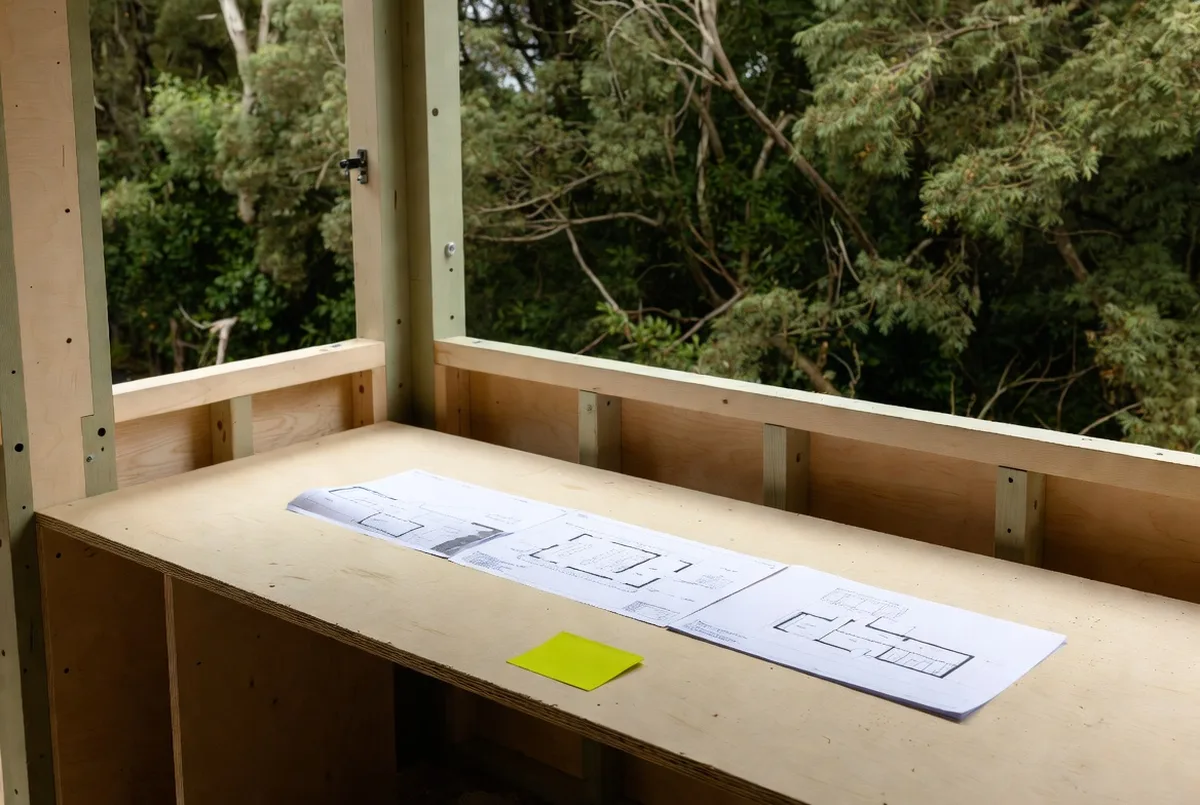
This is the difference owners feel most, and usually at the worst moment. Under design and build, one team is responsible for both the drawing and the thing built from it, so when something does not work it simply gets solved. Under tender, a problem at the boundary between design and construction becomes a question of whose fault it is: the detail was inadequate, or the detail was not followed. Both parties have a reasonable case, and the owner sits in the middle paying for the delay while it is argued out.
Nobody plans for this, and every build turns up something. Choosing a structure where a problem has an obvious owner is one of the more valuable and least discussed decisions you make.
How do the two compare on speed and performance?
Design and build is generally faster, because design and pricing overlap instead of running end to end, and there is no tender period to sit through. On our projects, final pricing can run while the plans are with the council for consent, which removes a wait the tender model cannot avoid. On a high-performance home the advantage is larger still, because performance lives in details, the continuous airtightness layer, thermal bridge free junctions, ventilation routes, that have to be designed and built as a single intention (PHINZ). Split that responsibility and performance is usually where the loss shows up, quietly, years later.
| Traditional tender | Design and build | |
|---|---|---|
| Cost knowledge arrives | At the end, once | Continuously, as you design |
| Best for | Documented, conventional builds | One-off and high-performance homes |
| Accountability | Split between parties | One team owns it |
| Programme | Sequential, plus tender period | Overlapping, pricing during consent |
| Main risk | Lowest tender is least complete | Choosing the wrong single team |
That last risk is real and worth naming. Design and build concentrates your decision into choosing the right team, so the diligence moves to the front: see their homes, talk to their clients, read their pricing.
So which should you choose?
If your project is conventional and fully documented, tender is a reasonable and well-understood path, and price tension will work honestly in your favour. If you are building a one-off home, on a real site, to a standard above the code minimum, design and build will almost always protect your budget and the finished result better, because it puts cost knowledge and buildability into the design while changes are still cheap and gives you one party who owns the outcome.
If you already hold finished plans, you have not lost the option: bringing them to a single builder for a proper pricing pass keeps the single-accountability benefit without redesigning anything, which is exactly what already have house plans walks through.
What is the bottom line?
Traditional tender separates design from construction and prices once, at the end. Design and build joins them, so the home is drawn to a real budget and one team owns the result. Tender suits documented, conventional projects. For a one-off architectural or high-performance home, design and build gives better cost control, a faster programme, and a single place the responsibility sits when something needs solving.
If you are weighing the two routes for a build in Nelson Tasman, arrange a consultation and we will walk you honestly through which one actually suits your project, including when we think tender is the better answer.
Frequently Asked Questions
Do I lose design quality with design and build?
No, provided the design talent is real. You still work with a designer or architect; what changes is that the builder is in the room while decisions are made, so the design is tested for cost and buildability as it develops. Good constraints tend to sharpen design rather than dull it.
Is design and build faster?
Usually, because design and pricing overlap instead of running end to end, and there is no tender period. On our builds, final pricing can run while the plans are with the council for consent, which removes a wait that a tender process cannot avoid.
Can I still get competitive pricing under design and build?
Yes, through transparency rather than an auction. An itemised, open-book proposal lets you see scope, allowances and margin line by line, and you can have it independently checked. That is more verifiable than sealed numbers built on differing assumptions.
What happens when a problem appears on site?
Under design and build one team owns it and fixes it. Under tender, a problem at the boundary between design and construction can become a dispute about whose fault it is, with the owner in the middle paying for the delay either way.
Which suits a high-performance home?
Design and build, clearly. Performance depends on details, airtightness layers, thermal bridge free junctions, ventilation routes, that must be designed and built as one intention (PHINZ). Splitting responsibility for them is where performance is usually lost.
I already have a finished design. Is design and build off the table?
Not at all. You can bring completed plans to one builder for a proper pricing pass and build from there, keeping the single-accountability benefit without redoing the design.
Research Report: Design and Build vs Traditional Tender
Read Full ReportProcurement route selection for one-off and high-performance homes.
Planning a build in Nelson Tasman?
Talk to Ecotectural early and keep control of your design and budget from day one.
Arrange a consultation