

Red Flags to Watch For When Hiring a Builder
The clearest red flags are a refusal to itemise a price, pressure to sign quickly, an unusually large deposit, no written contract, unverifiable licensing or insurance, and references you are not allowed to contact. New Zealand law already gives you protection worth knowing: residential building work of $30,000 or more including GST requires a written contract, and the builder must give you a disclosure statement and checklist before you sign (MBIE). Restricted building work must be carried out or supervised by a Licensed Building Practitioner. The behaviour that predicts trouble most reliably, though, is poor communication before you have committed, because it never improves once the money is in.
Key Questions Answered
What is the biggest red flag?
A refusal to give you an itemised price. If you cannot see what is included, what is an allowance and what was left out, you cannot compare, check or trust the number, and the gaps will surface later as variations.
What legal protections do I already have?
Residential building work of $30,000 or more including GST requires a written contract, and the builder must provide a disclosure statement and checklist before signing (MBIE). Restricted building work must be done or supervised by a Licensed Building Practitioner.
Is a large deposit a warning sign?
Yes. An unusually large upfront payment can indicate cash-flow trouble, meaning your money funds another job. Ask where deposits are held and how they are applied, and be wary of pressure to pay quickly.
What behaviour predicts problems best?
Poor communication before you have signed anything. Slow replies, vague answers and defensiveness when questioned are the mildest they will ever be; under pressure and once committed, they get worse.
Should I worry if a builder badmouths others?
It is a quiet red flag. Confident builders explain what they do and let you compare. Running down competitors, especially without specifics, usually substitutes for evidence they cannot produce about themselves.
In This Guide
Key Takeaways
- Refusing to itemise a price is the single clearest red flag, because it prevents comparison, verification and trust.
- NZ law requires a written contract for residential building work of $30,000 or more including GST, plus a disclosure statement and checklist before signing (MBIE).
- Restricted building work must be carried out or supervised by a Licensed Building Practitioner, and licensing is verifiable.
- Unusually large deposits, pressure to sign quickly and cash discounts all warrant hard questions before any money moves.
- Poor communication before you commit is the most reliable predictor of trouble, and it never improves after signing.
What are the red flags around pricing?
Start here, because most build disasters are pricing disasters wearing another costume. The clearest warning is a refusal to itemise: a single number with no lines behind it cannot be compared, checked or questioned, and every gap in it is a future variation you have already agreed to pay for. Close behind is a quote well below the others, which almost always means less was included rather than that the build costs less. Ask what the cheap quote excludes and the difference usually appears within minutes.
Two more belong in this group. A discount for cash means the work is going undocumented, which strips your paper trail and typically voids guarantees and insurance, and no saving is worth that. And any pressure to sign quickly, prices are rising, this rate expires Friday, should be treated as a sales technique until proven otherwise. Our guides to how a builder prices your plans and why build costs blow out cover the mechanics behind all of this.
What legal protections do you already have?
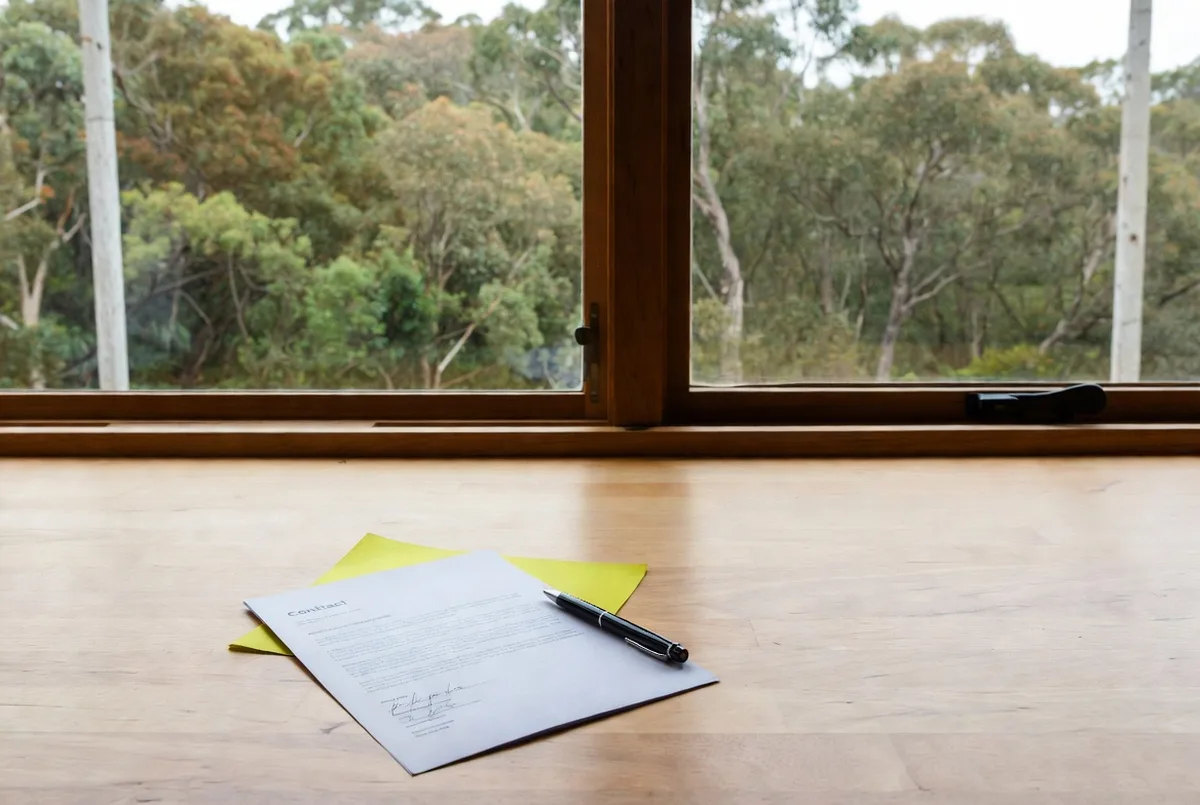
More than most people realise, and knowing them turns several red flags into clear breaches. For residential building work of $30,000 or more including GST, a written contract is required, and the builder must give you a disclosure statement and a checklist before you sign (MBIE). Restricted building work, the structural and weathertightness elements of a home, must be carried out or supervised by a Licensed Building Practitioner, and licensing sits on a public register you can check yourself.
| Protection | What it means for you |
|---|---|
| Written contract at $30,000+ incl GST | Terms in writing before work starts (MBIE) |
| Disclosure statement and checklist | Given to you before you sign |
| Licensed Building Practitioner | Restricted work done or supervised by a licensed person |
| Building consent and inspections | Council oversight through the build (Building Act 2004) |
| Guarantees | Master Builders or Certified Builders cover, if offered |
A builder who waves any of these away as unnecessary paperwork on a job of that size is telling you something important about how they operate.
What about deposits and how money is handled?
An unusually large upfront deposit is a genuine warning sign, because it can mean your money is funding a job that is already in trouble somewhere else. The two questions that matter are simple: where is the deposit held, and how is it applied? A builder with healthy cash flow answers both without hesitation. Ours is held and applied to the final invoice, and clients receive a monthly budget report showing exactly where the project sits, which we will share with a bank when asked.
Watch how money is discussed generally. Clear, unbothered explanations of deposits, progress claims, variations and what sits outside the contract signal an organised business. Vagueness, irritation or improvisation on those subjects signals the opposite, and it is far cheaper to notice now than during the build.
Which behaviours should make you walk away?
The strongest predictor of trouble is poor communication before you have committed anything. Slow replies, vague answers, defensiveness when questioned, promises with no detail behind them. Whatever you are seeing now is the best version you will ever get, because right now they are trying to win your work. Once the contract is signed and the pressure is on, it gets worse, not better.
Alongside that, treat these as hard stops until resolved: references you are not permitted to contact, homes you cannot visit, memberships or insurances that cannot be verified, and performance claims with nothing specific behind them (PHINZ). One more subtle signal: a builder who spends the meeting running down other builders rather than showing you their own work. Confident operators explain what they do and invite comparison, as we set out in how to judge builders.
What should you do if you spot red flags?
Slow down, and put the question in writing. Most red flags are resolved or confirmed by a single direct request: please itemise this, please send your licence number, please confirm your insurance, please put me in touch with two recent clients. How a builder responds to a polite written request is itself the test. Genuine operators answer plainly; the answer you cannot get is the answer.
And be willing to walk away. It feels expensive to restart a search after weeks of conversations, but it is trivially cheap compared with being locked into a build with the wrong party. No deposit paid is easier to recover from than any dispute, and the right builder will still be there next month.
What is the bottom line?
Watch for unitemised pricing, suspiciously low quotes, cash discounts, pressure to sign, oversized deposits, unverifiable licensing or insurance, references you cannot reach, and builders who talk about competitors more than their own work. Use the protections you already have: a written contract at $30,000 or more including GST, a disclosure statement and checklist before signing, and Licensed Building Practitioner requirements on restricted work (MBIE).
Above all, take poor communication seriously before you sign, because it is the most honest preview you will get. If you want to test us against every one of these, arrange a consultation and put the hard questions first; we would rather earn the work that way.
Frequently Asked Questions
Do I legally need a written contract?
For residential building work of $30,000 or more including GST, yes. The builder must also give you a disclosure statement and a checklist before you sign (MBIE). A builder who suggests skipping paperwork on a job that size is either unaware of their obligations or ignoring them, and neither is reassuring.
How do I check a builder is licensed?
Restricted building work, the structural and weathertightness parts of a home, must be carried out or supervised by a Licensed Building Practitioner. Licensing is a public register, so ask for the name and check it yourself rather than accepting a claim.
What is a reasonable deposit?
Modest and clearly explained. The questions to ask are where the deposit is held and how it is applied. Ours is held and applied to the final invoice, and clients see a monthly budget report showing exactly where the project sits. Vagueness on either point is a warning.
Is being cheaper than everyone else a red flag?
Often, yes. A price well below the others usually means less scope was included rather than a cheaper build, and the difference returns as variations once you are committed. Ask what the low quote excludes, line by line, and the gap normally appears immediately.
What if I am told to hurry because prices are rising?
Treat urgency as a sales technique until proven otherwise. Material prices do move, but a genuine builder will show you where and let you decide. Pressure to sign before you have read a contract or taken advice is a red flag regardless of the reason given.
Should I be worried about cash payments or discounts for cash?
Yes. A discount for cash usually means the work is going undocumented, which removes your paper trail, likely voids guarantees and insurance, and leaves you with no recourse if something fails. The saving is never worth what you give up.
Research Report: Red Flags When Engaging a Builder
Read Full ReportWarning signals, statutory protections and a verification method.
Planning a build in Nelson Tasman?
Talk to Ecotectural early and keep control of your design and budget from day one.
Arrange a consultation