

What Sets a High-End Build Apart
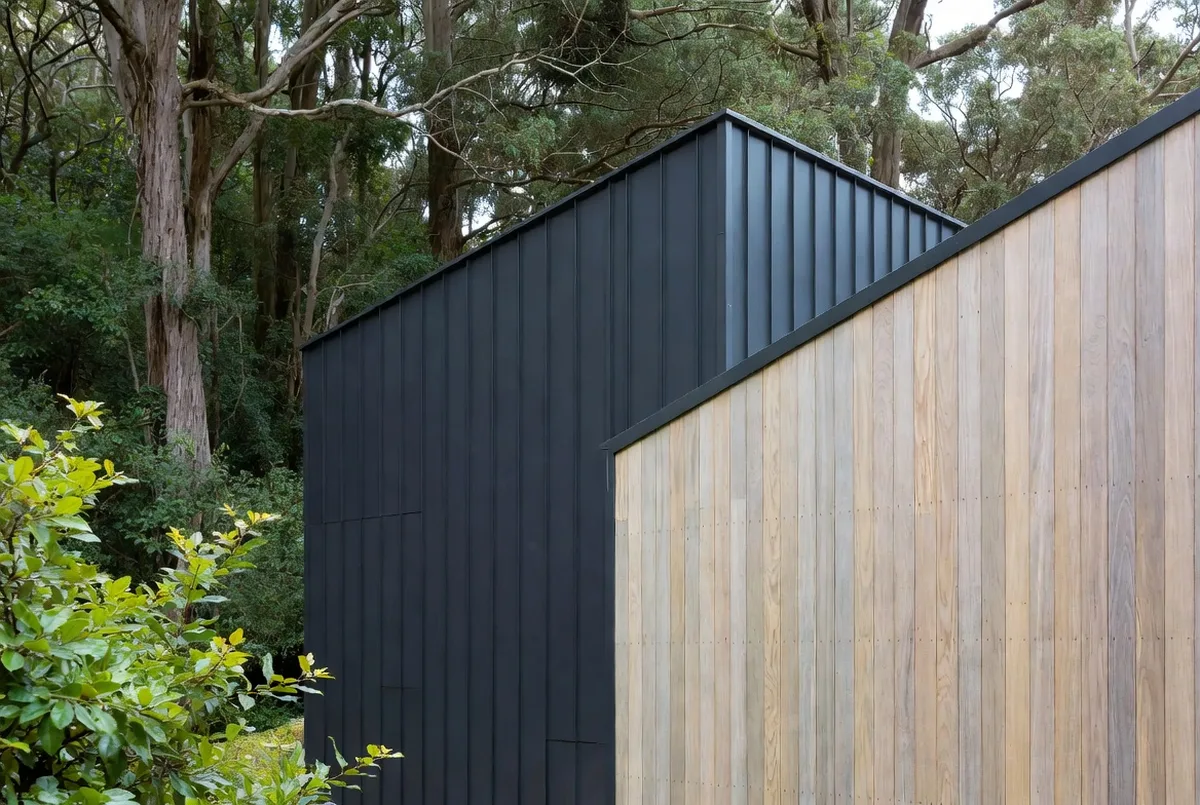
A high-end build is separated from an ordinary one by things most people never see: tighter tolerances, detailing that is drawn and resolved before it is built, materials chosen for how they will look and perform in thirty years, and tradespeople given the time to do the work properly. Almost none of it is visible in a finished photograph, which is exactly why the market is so easy to fool. The visible luxury, the stone, the joinery, the fittings, sits on top of a structure and envelope that either were or were not built to a different standard, and that decision is made early, in the drawings and the programme, not at the selections stage.
Key Questions Answered
What actually makes a build high-end?
Resolved detailing, tight tolerances, a properly built envelope, materials chosen for longevity, and trades given time to work carefully. The finishes people notice sit on top of all of that, they do not create it.
Can you see the difference in photos?
Rarely. Photographs show finishes, which are the cheapest part of the illusion. The differences that matter, junctions, tolerances, airtightness, substrate quality, are invisible once the linings go on.
Is a high-end build just more expensive materials?
No. Expensive materials badly detailed and rushed produce an expensive-looking house that fails early. The premium is mostly in design resolution, workmanship and time, not in the price of the products.
Where is the money really spent?
In the parts you never see: the ground and foundations, structure, the weathertight and airtight envelope, and the hours spent resolving junctions on paper before they are built.
When is a high-end build decided?
Early, in the design and the programme. By the time you are choosing tapware, the standard of the build has already been set by the detailing, the trades booked and the time allowed.
In This Guide
Key Takeaways
- A high-end build is defined by resolved detailing, tight tolerances and a properly built envelope, not by the price of the visible finishes.
- The differences that matter most are invisible in photographs and invisible once the linings go on, which is why quality is so easy to fake at the surface.
- Materials should be chosen for how they will look and perform in thirty years, not for how they photograph on handover day.
- Workmanship needs time; rushing skilled trades is the fastest way to turn an expensive house into an ordinary one.
- The standard of a build is set early, in the drawings and the programme, long before the selections stage.
What actually makes a build high-end?
Ask most people and they will point at the kitchen. But the things that genuinely separate a high-end build from an ordinary one are almost all invisible in the finished home: how tightly the work holds to the drawings, how carefully junctions between materials were resolved before anyone built them, how well the envelope keeps weather and air where they belong, and whether the trades had the time to do their work properly. The visible luxury sits on top of that. It does not create it.
This is why the market is so easy to fool. Finishes are the cheapest part of the illusion, and a house can be dressed to photograph beautifully while the structure behind it is ordinary. It is also why the honest way to judge a builder is to look at a home part-built rather than finished, a point we make in how to choose an architectural builder.
Where does the money really go?
Into the parts nobody photographs. The ground and the foundations, which carry the most risk and the least glamour. The structure. The weathertight and airtight envelope that decides whether the home is warm, dry and quiet for the next fifty years. And the design hours spent resolving how everything meets before a single piece is cut. Spend well there and the finishes have something worth sitting on; skimp there and no amount of stone rescues it.
| What people notice | What actually decides the standard |
|---|---|
| Kitchen and joinery | Tolerances and setting out behind them |
| Tapware and fittings | Plumbing and services planned into the structure |
| Cladding material | The wrap, cavity and junctions behind it |
| How warm it feels on the day | Insulation, airtightness and ventilation (PHINZ) |
| Straight lines and shadow gaps | Framing accuracy and trade time allowed |
None of the right-hand column can be added later. That is the whole point: the high-end decisions are one-way doors, taken early, and the finishes are the only part you can change your mind about afterwards.
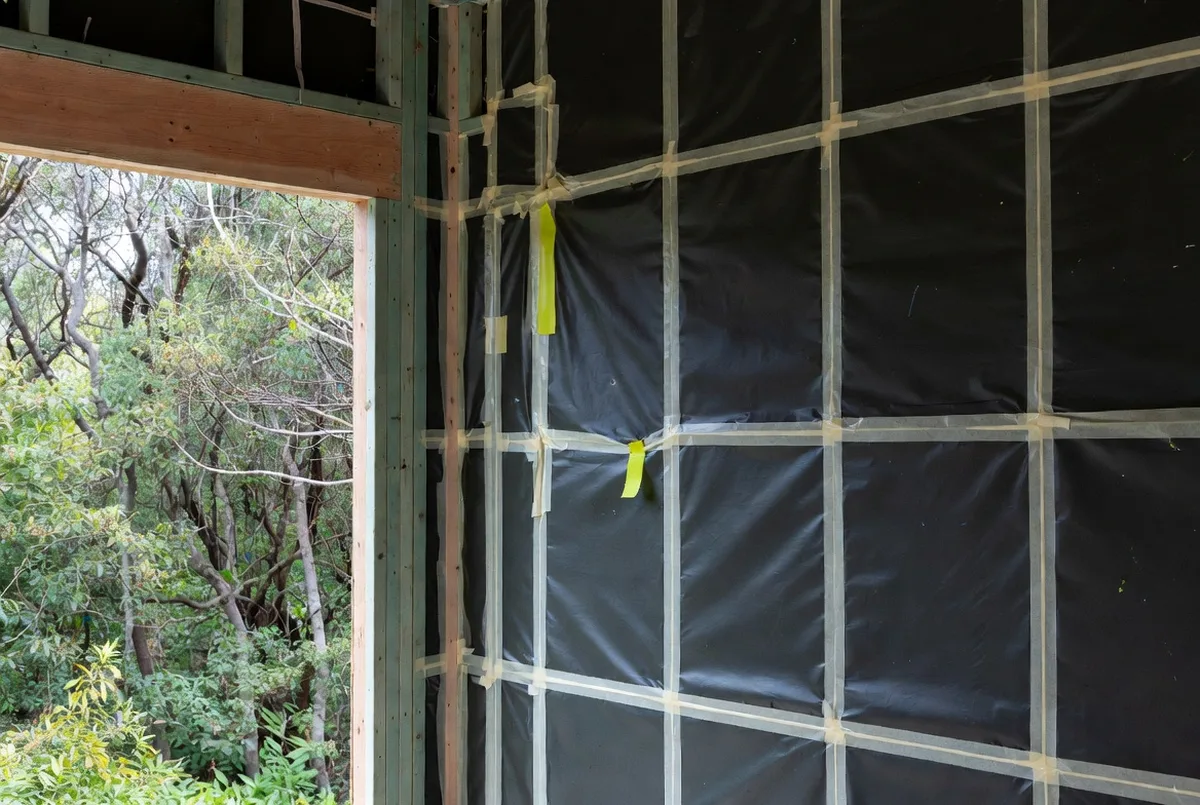
Why do detailing and tolerances matter so much?
Tolerance is simply how far the built work is allowed to stray from the drawing. Tight tolerances are what make a line read as straight, a shadow gap sit even along its whole length, and a door sit flush in its opening. Loose tolerances produce a house that feels subtly off in a way most people sense but cannot name. It is the single clearest physical difference between a high-end build and an ordinary one.
Detailing is the other half. Every place two materials meet is a decision: how they meet, how water leaves, how movement is absorbed, how it will look in ten years. Resolved on paper beforehand, those junctions become quiet and durable. Left to be worked out on site by a tired chippie at four o clock, they become compromises, and compromises accumulate. Paying for design resolution up front is one of the highest-return decisions in a build.
How do materials and time change the outcome?
Materials should be chosen for how they will look and perform in thirty years, not for how they photograph on handover day. That changes what you pick: claddings that weather honestly, timbers that move predictably, hardware that keeps working, systems that can be maintained rather than replaced. A material that looks superb for five years and then embarrasses you is a false economy dressed as a luxury.
Time is the other ingredient, and the one most often stolen. The best subcontractors in this region do their best work when the programme allows it and the drawings answer their questions before they ask. Push the same trades to finish early for the next job and you get ordinary work from excellent people. Protecting trade time is a builder responsibility, and it is one of the quiet reasons a well-run programme produces a better house, not just a calmer one.
How can you tell the difference before you commit?
Go and stand in a build that is halfway through. A finished home shows you a builder’s taste; a half-built one shows you their standard. Look at the framing, the wrap and tapes, how junctions are being handled, how tidy and organised the site is. Ask who resolves the details and when, ask how the programme protects trade time, and ask what happens when a drawing does not answer a question on site.
Then ask about performance specifically, because it is the part with the clearest evidence: what the envelope is, how airtightness is achieved and whether it is tested (PHINZ). A builder doing genuine high-end work will enjoy these questions, because they are the parts they are proudest of and the parts a photograph can never show. Our twelve questions to ask a builder pushes the same idea further.
What is the bottom line?
A high-end build is not a house with expensive things in it. It is a house where the ground, structure, envelope and detailing were resolved and executed to a standard you can no longer see, by trades given the time to do it properly, using materials chosen for the long run. Finishes are the last five percent, and the only part you can change later. Judge builders on the ninety-five percent that gets covered up.
If you want a home built to that standard in Nelson Tasman, arrange a consultation, and ask to see one of ours mid-build. That is where the difference is still visible.
Frequently Asked Questions
Is a high-end home just a bigger home?
No, and size can work against it. A large home built to an ordinary standard is simply a bigger ordinary home. A modest home with resolved detailing, a properly built envelope and careful workmanship is the higher-end build, whatever the floor area.
What are tolerances, and why do they matter?
Tolerance is how much a built element is allowed to deviate from the drawing. Tight tolerances are what make lines look straight, shadow gaps read evenly and doors sit flush. Loose tolerances are the difference you sense in a room without being able to name it.
Why does detailing get resolved before the build?
Because a junction figured out on site under time pressure is a compromise by definition. Resolving how materials meet, on paper, before anyone builds it, is where most of the quality in a high-end home is actually created. It costs design hours and saves far more on site.
Do high-end builds use different trades?
Often the same trades, given different conditions. The best subcontractors do their best work when the programme allows it, the drawings answer their questions, and they are not being pushed to finish for the next job. Time and clarity produce craftsmanship more reliably than reputation alone.
How do I tell a high-end builder from one who talks like it?
Ask to see a build in progress rather than a finished one. Framing, wrap, junctions and the tidiness of a site tell you more than any completed photograph. Then ask how their details get resolved and who holds the programme.
Does high performance make a build high-end?
It is a large part of it. A home built to the Passive House standard has an envelope, airtightness and ventilation that an ordinary build does not, and those are permanent qualities (PHINZ). But performance and craft are separate; the best homes have both.
Research Report: What Separates a High-End Build
Read Full ReportDetailing, tolerances, envelope and trade time, the invisible determinants of build quality.
Planning a build in Nelson Tasman?
Talk to Ecotectural early and keep control of your design and budget from day one.
Arrange a consultation