

Living in a High-Performance Home: How to Actually Run It
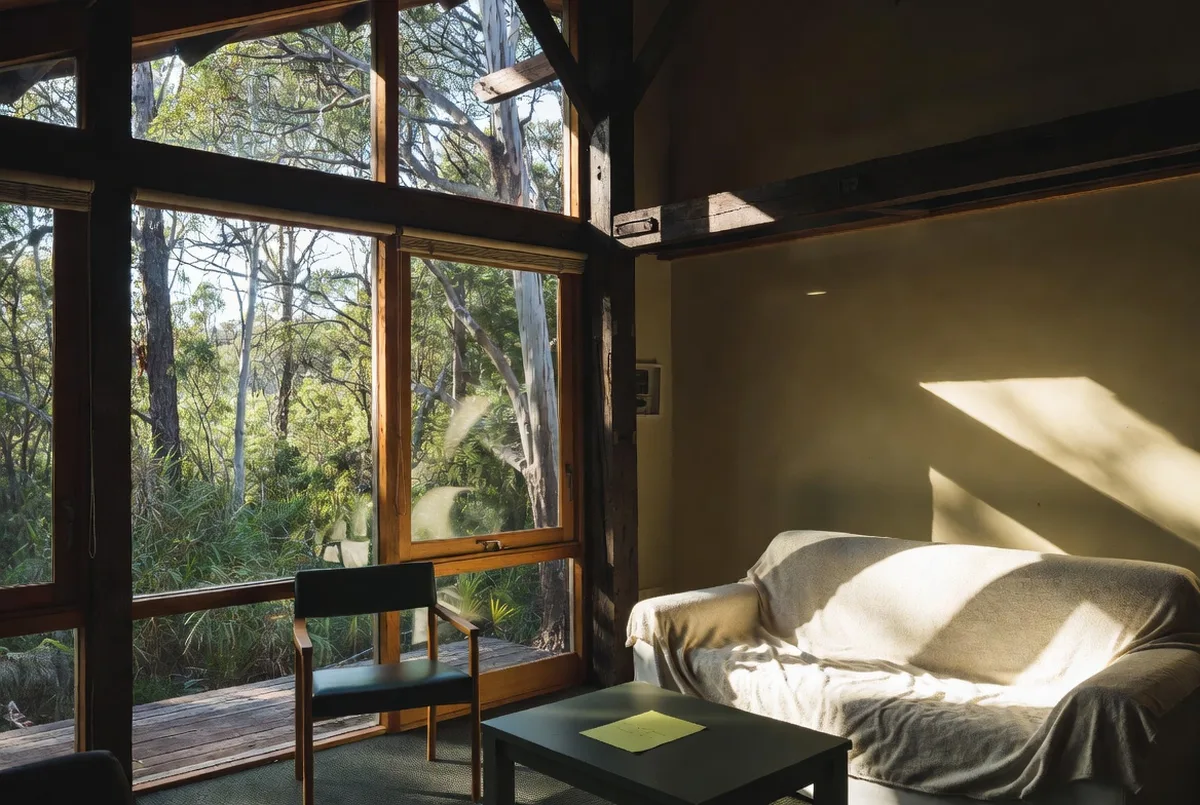
A high-performance home runs on different habits from the house you probably grew up in, and most early frustrations come from operating it like an old one. Leave the ventilation running continuously rather than switching it off; it uses very little power and it is what keeps the air fresh and the humidity down. Heat gently and steadily rather than blasting a cold house each evening. In summer, shade the glass and purge heat overnight rather than opening up during the hottest part of the day. Change the filters on schedule. Do those four things and the home does the rest, holding an even temperature you will stop thinking about.
Key Questions Answered
Should I turn the ventilation off to save power?
No. It uses very little electricity and it is what keeps air fresh and humidity controlled. Switching it off is the most common way people degrade their own home’s performance.
How should I heat it?
Gently and steadily rather than in bursts. A well-insulated, airtight home holds heat, so a low continuous input keeps it comfortable far more efficiently than heating hard each evening from cold.
What do I do in summer?
Shade the glass before the sun hits it, keep the house closed during the hottest part of the day, and purge heat by opening up in the cool of the evening and overnight. It is the opposite of the usual instinct.
What maintenance does it need?
Filter changes on schedule, measured in months, plus the ordinary maintenance any home needs. Neglected filters make the ventilation work harder and move less air.
What surprises people most?
The quiet, the absence of condensation on winter mornings, and how even the temperature is from room to room. Most people stop thinking about the heating altogether within a season.
In This Guide
Key Takeaways
- Leave mechanical ventilation running continuously; it uses little power and is what controls freshness and humidity (PHINZ).
- Heat gently and steadily rather than in evening bursts, because a well-sealed home holds heat rather than needing to be re-warmed.
- In summer, shade before the sun arrives, stay closed through the heat of the day, and purge overnight.
- Change ventilation filters on schedule; neglect is the main way owners degrade their own system.
- Expect even temperatures room to room, no morning condensation, and a noticeably quieter house.
Why do the habits have to change?
Because you have been trained by leaky houses. In a poorly sealed, poorly insulated home, heat escapes about as fast as you can produce it, so the sensible strategy is short intense bursts in the room you are occupying, and airing the place out when it gets stuffy. Every one of those habits is a rational response to a building that cannot hold anything.
A high-performance home behaves in the opposite way: it holds heat, it manages its own air, and it responds slowly and evenly. Run it with the old habits and you get odd results, an overheated lounge, a ventilation system switched off to save nothing, windows opened at the hottest moment of the day. Run it as designed and it looks after you almost entirely. Nothing here is complicated, it is just different.
Rule one: leave the ventilation running
This is the single most important habit and the one most often broken. Mechanical ventilation with heat recovery is designed to run continuously, quietly, in the background. It uses a small amount of electricity to move air, and it recovers most of the heat from the air it removes, so running it is close to free in energy terms and is what keeps the house fresh and the humidity where it should be (PHINZ).
People switch it off for two reasons: to save power, which saves almost nothing, or because they assume ventilation is only needed when the house feels stale. By the time a house feels stale the moisture and carbon dioxide have already built up. Set it and leave it. The one job it does ask of you is filters, which we come to below. The mechanics are in how MVHR works.
Rule two: heat gently, not in bursts
In a sealed, well-insulated home you are maintaining a temperature rather than recovering one, and that changes the technique entirely. A low, steady input keeps the whole house even, and because the fabric holds heat, it stays that way. Blasting a heat pump for two hours in the evening overshoots the room you are in, leaves the rest of the house behind, and is less efficient than simply not letting the temperature fall in the first place.
You will still have a heat source, and you will be surprised how rarely it runs. The most common report from owners after a first winter is not that the house is warm, it is that they stopped thinking about heating at all. The even temperature from room to room is what people notice most, since it removes the familiar business of shutting doors and heating one space.
Rule three: summer runs the opposite way round
The instinct on a hot day is to throw everything open. In a high-performance home that is usually wrong, because you are inviting hot air into a building that is holding a comfortable temperature. The better routine is to shade the glass before the sun reaches it, keep the house closed through the heat of the day, then open up in the cool of the evening and overnight to purge whatever heat has accumulated.
| Time of day | What to do in summer |
|---|---|
| Early morning | Close up while the air is still cool; deploy shading |
| Middle of the day | Keep closed and shaded; let the fabric hold the cool |
| Evening | Open up once outside is cooler than inside |
| Overnight | Purge heat; ventilation continues regardless |
External shading matters far more than internal blinds, because it stops the heat before it gets through the glass rather than after. If summer comfort is a concern, that is a design conversation, and it is the one genuine risk in the standard, as covered in the Passive House myths.
Rule four: change the filters, and what will surprise you
Filters are essentially the whole maintenance story for the ventilation, on a schedule measured in months rather than weeks. A clogged filter makes the unit work harder while moving less air, which quietly undoes the thing you paid for. Put it in the calendar with the smoke alarm batteries and it will never be a problem.
As for the surprises, they are consistent. The quiet, because the same sealing that stops draughts stops noise. The absence of condensation on winter mornings, which people notice within days. The evenness, room to room and hour to hour. And the strange experience of a house that does not have a cold end. If something does feel off, a room warmer or cooler than the rest, raise it early rather than adapting to it; it is usually a commissioning or shading adjustment rather than a fact of life.
What is the bottom line?
Four habits cover almost everything. Leave the ventilation running continuously. Heat gently and steadily rather than in evening bursts. In summer, shade early, stay closed through the heat and purge overnight. Change the filters on schedule. Open the windows whenever you feel like it, because you can, you simply no longer need to.
Give it a season and the house stops being something you operate and becomes something you just live in. If you are building with us in Nelson Tasman we walk owners through all of this at handover, because a well-built home run on old habits is the one way to be disappointed by it.
Frequently Asked Questions
Can I open the windows whenever I like?
Yes, and you should when it is pleasant. The point is that you no longer have to open them for air quality, so on a cold or windy day you can leave them shut without the house going stale. Opening windows becomes about enjoying the weather rather than managing the building.
Why does my heating feel different?
Because you are maintaining a temperature rather than recovering one. In a leaky house heat escapes as fast as you make it, so you blast the lounge each evening and it is cold again by morning. In a sealed, insulated house a low steady input holds the whole home even, and short bursts of high heat are both unnecessary and less efficient.
Should I dry laundry indoors?
It copes far better than an ordinary home, because the ventilation is continuously removing moisture rather than letting it settle on cold surfaces. It still adds moisture load, so a dry day outside is better where practical, but you will not get the streaming windows an old house gives you.
What if a room feels warmer or cooler than the rest?
Mention it early rather than living with it. Genuine imbalance usually traces to ventilation commissioning or a shading issue on a particular elevation, and both are adjustable. The expectation in a well-built home is that rooms feel much the same, so a noticeable difference is information rather than something to accept.
Do I still need a heat pump or fire?
You need a heat source, though usually a much smaller one than an equivalent leaky house would need. What changes is how it is used: modest and steady, not fighting a losing battle against the fabric. Many owners are surprised how rarely it runs.
How long until it feels normal?
Usually a season. The first winter is when people stop checking the thermostat, and the first summer is when the shading habits become automatic. After that most owners say the strongest impression is simply not thinking about the house at all.
Research Report: Operating a High-Performance Home
Read Full ReportOccupant behaviour, seasonal routines and the habits that preserve performance.
Planning a build in Nelson Tasman?
Talk to Ecotectural early and keep control of your design and budget from day one.
Arrange a consultation