

High-End Renovations and Extensions: Doing It Properly
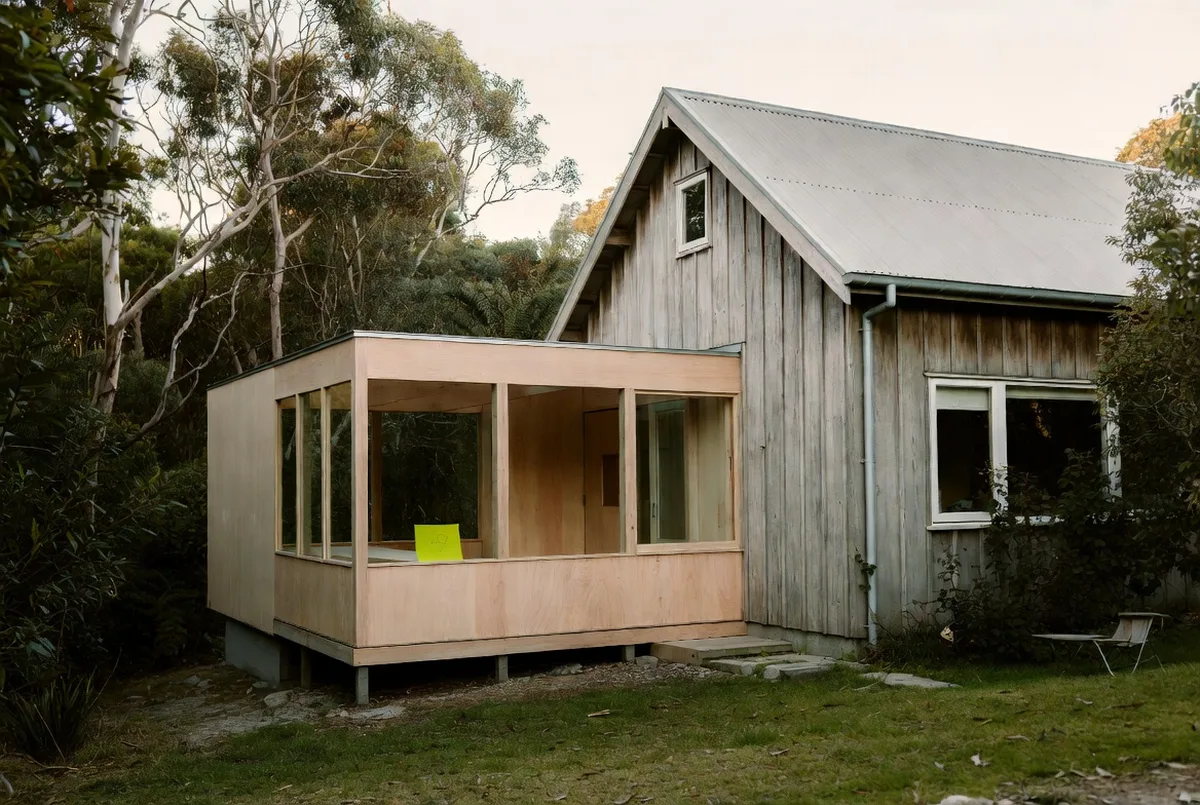
A high-end renovation is harder to price and harder to build than an equivalent new home, because you are working with a structure you cannot fully see until you open it up. What is behind the linings, under the floor and in the ground is unknown until demolition begins, so the honest approach is investigation first, staged decisions, and a firm contingency. Some things renovate beautifully: layout, light, connection to outdoors, and finish quality. Others are difficult and expensive to fix retrospectively, particularly continuous insulation and airtightness, because they depend on the envelope being built as one system. Knowing which category your ambitions fall into is the whole decision.
Key Questions Answered
Why are renovations harder to price than new builds?
Because you cannot see what you are buying. Framing condition, hidden damage, old services, foundations and non-compliant past work only reveal themselves once linings come off, so early prices carry genuine unknowns.
What renovates well?
Layout, light, flow and connection to outdoor spaces, plus finish quality. Reorganising how a home works is where renovation delivers the most transformation for the money.
What is hard to fix retrospectively?
Continuous insulation and airtightness, because they depend on the envelope working as one unbroken system. Partial retrofits help, but reaching new-build performance in an existing shell is difficult and costly (PHINZ).
How much contingency should a renovation carry?
Ten percent, and expect it to be used. The rule is the same as any build, but renovations hold far more unknowns, so the contingency is far more likely to be needed in full.
When should you rebuild instead of renovate?
When the existing structure fights what you want. If the bones are poor, the layout needs gutting anyway, and you want new-build performance, spending heavily on an old shell rarely returns the value.
In This Guide
Key Takeaways
- Renovations are harder to price than new builds because condition is unknown until linings, floors and ground are opened up.
- Investigate before committing: opening up sample areas early converts guesses into priced facts.
- Layout, light, flow and finish renovate exceptionally well; continuous insulation and airtightness are difficult to achieve retrospectively (PHINZ).
- Hold a 10 percent contingency and expect a renovation to use more of it than a new build would.
- If the structure fights your ambitions and you want new-build performance, rebuilding often returns better value than an expensive retrofit.
Why are renovations harder to price than new builds?
Because you cannot see most of what you are buying. On a new build, every element is specified before it exists. On a renovation, a substantial part of the work depends on the condition of things hidden behind linings, under floors and below ground: framing that may be sound or may be damp, services that may be serviceable or may be sixty years old, foundations of unknown quality, and occasionally past work that was never consented and now has to be resolved. None of it is knowable from a walkthrough.
That is why an early renovation price is honestly a range rather than a number. Anyone offering a firm fixed price on an unopened house is either carrying a large hidden contingency in it, or intends to recover the difference through variations later. The same logic we set out in contract types explained applies with even more force here: a fixed price is only as fixed as what is known, and on a renovation less is known.
What should you do before committing?
Investigate. Opening up sample areas before committing to a full scope, checking framing condition, moisture, services, insulation and foundations, converts guesses into priced facts. It costs something, and it is one of the highest-return decisions available on a renovation, because every unknown you resolve in advance is one fewer surprise arriving later at the worst possible time.
Stage the decisions too. Rather than committing to a complete scope on day one, define what you are certain about, investigate what you are not, and let the scope firm up as knowledge improves. A builder willing to work that way with you is being honest about uncertainty; one who insists everything can be nailed down before anything is opened is not.
What renovates well, and what does not?
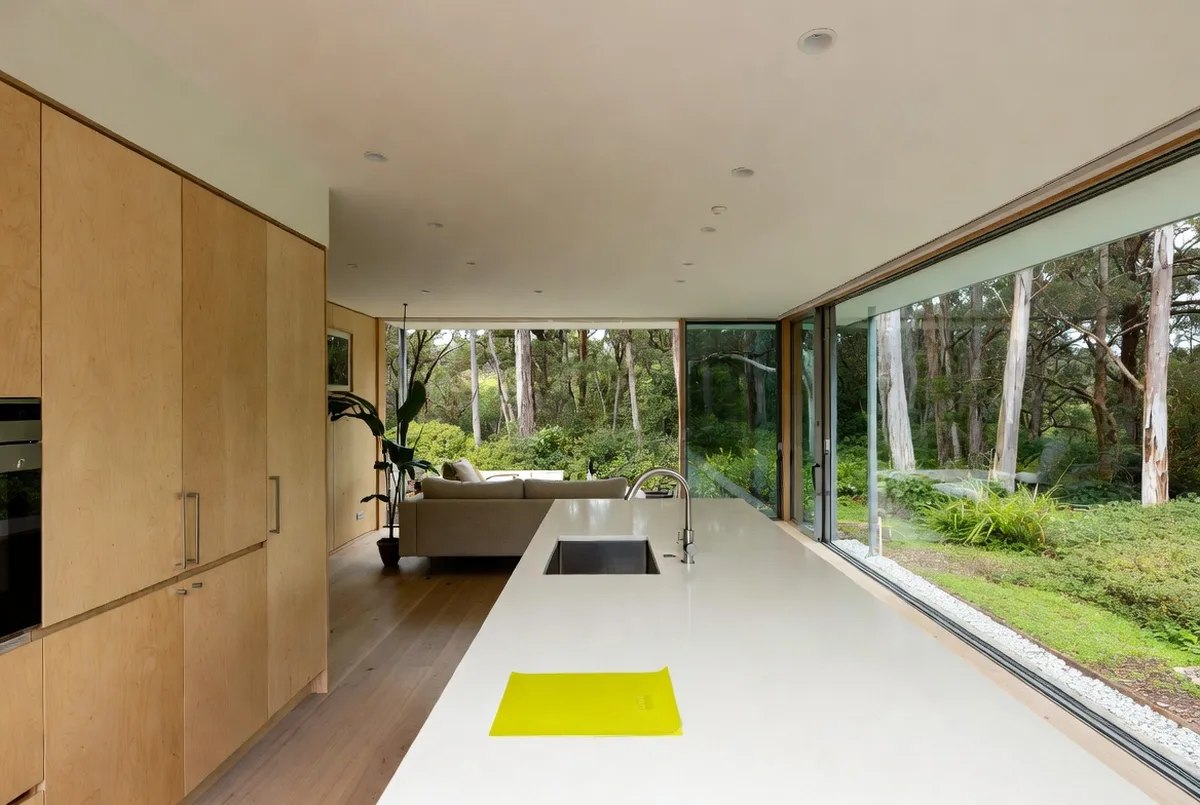
Some ambitions suit renovation beautifully. Reorganising layout, opening a home to light, fixing the relationship between indoors and outdoors, and lifting finish quality are all transformative and achievable, and they are usually where a renovation delivers the most change for the money. A house with sound bones in the right place can be made to live like a completely different home.
Other ambitions fight the existing structure. Continuous insulation and airtightness are the clearest examples, because they only work as unbroken systems, and an existing shell is full of interruptions: junctions you cannot reach, penetrations, framing you cannot rewrap without removing everything. You can improve an old house substantially, and it is well worth doing, but matching new-build performance inside an existing envelope is difficult and expensive (PHINZ).
| Ambition | Renovates well? |
|---|---|
| Layout and flow | Yes, this is renovation’s strength |
| Light and outdoor connection | Yes, often transformative |
| Finish and joinery quality | Yes |
| Targeted insulation upgrades | Partly, worthwhile but interrupted |
| Continuous airtightness | Difficult and costly retrospectively |
| Thermal-bridge-free envelope | Rarely achievable in an existing shell |
Should you extend or start again?
Weigh the bones honestly. If the structure is sound, the location is right, and the layout can be reorganised into the home you actually want, renovation is powerful and often the better value. If you would end up gutting the place anyway, if the structure is compromised, or if you want genuine new-build warmth, quiet and comfort, then heavy spending on an old shell rarely returns what it costs.
One figure surprises people: per square metre, extension area is frequently more expensive than new build area, because you are working around an existing structure, matching into it, and dealing with restricted access and disruption. The saving in a renovation comes from what you keep, not from the new work being cheap. Our guide to build, buy or knockdown rebuild works through the same decision from the other direction.
How do you run a high-end renovation properly?
With more transparency, not less. Open-book pricing suits renovations particularly well, because the unknowns are real and shared visibility means you see costs as they resolve rather than receiving a reconciliation at the end. Hold a 10 percent contingency and go in expecting to use more of it than you would on a new build. And insist on early warning: on a renovation, the gap between discovering something and its cost landing is short, so being told immediately matters more than usual.
Also plan for the living arrangements and the programme honestly. Renovations disrupt, sequencing is more constrained than on a clear site, and weather protection of an opened building is a real cost and a real risk. A programme that ignores those is a programme that will slip.
What is the bottom line?
High-end renovations reward the same discipline as new builds and demand more of it. Investigate before you commit, stage decisions as knowledge improves, price open book so the unknowns resolve in front of you, and hold a firm 10 percent contingency expecting to use it. Renovate layout, light and finish with confidence; be realistic that continuous insulation and airtightness are hard to retrofit to new-build standard.
If you are weighing a renovation or extension against building new in Nelson Tasman, arrange a consultation. We will look at the bones with you and tell you honestly which way the money and the outcome point, including when the answer is to start again.
Frequently Asked Questions
Why can nobody give me a firm renovation price up front?
Because a fair portion of the work is hidden. Until the linings are off and the floor is up, the condition of framing, services, foundations and any past unconsented work is genuinely unknown. Anyone offering a firm fixed price on an unopened house is either carrying a large hidden contingency or planning to charge you variations later.
What is investigative work and is it worth paying for?
It is opening up sample areas, checking framing, moisture, services and foundations before committing to a full scope. Yes, it is worth it. Every unknown you convert into a fact before you commit is one fewer surprise priced against you later, and it usually costs a fraction of what the surprise would.
Can I make an old house warm and dry?
You can improve it a great deal, and that improvement is well worth having. What is difficult is reaching new-build performance, because insulation and airtightness only work as continuous systems and an existing shell has interruptions everywhere (PHINZ). Target meaningful improvement rather than a standard the structure cannot support.
Does a renovation need building consent?
Often yes, particularly for structural changes, plumbing and drainage alterations and anything affecting weathertightness. Some work is exempt, but the boundaries matter, and unconsented past work discovered during a renovation can become your problem to resolve.
Is extending cheaper than building new?
Per square metre, an extension is frequently more expensive than new build area, because you are working around an existing structure, matching into it, and dealing with restricted access. The saving in a renovation comes from what you keep, not from the new work being cheap.
How do I decide between renovating and rebuilding?
Weigh the bones. If the structure is sound, the location is right and the layout can be reorganised into what you want, renovation is powerful. If you would be gutting it anyway, the structure is compromised, and you want new-build warmth and comfort, the money usually works harder on a new home.
Research Report: High-End Renovation and Extension
Read Full ReportPricing under uncertainty, retrofit limits and the renovate-or-rebuild decision.
Planning a build in Nelson Tasman?
Talk to Ecotectural early and keep control of your design and budget from day one.
Arrange a consultation