

Building on a Coastal Site in Tasman: Wind, Salt and Sun
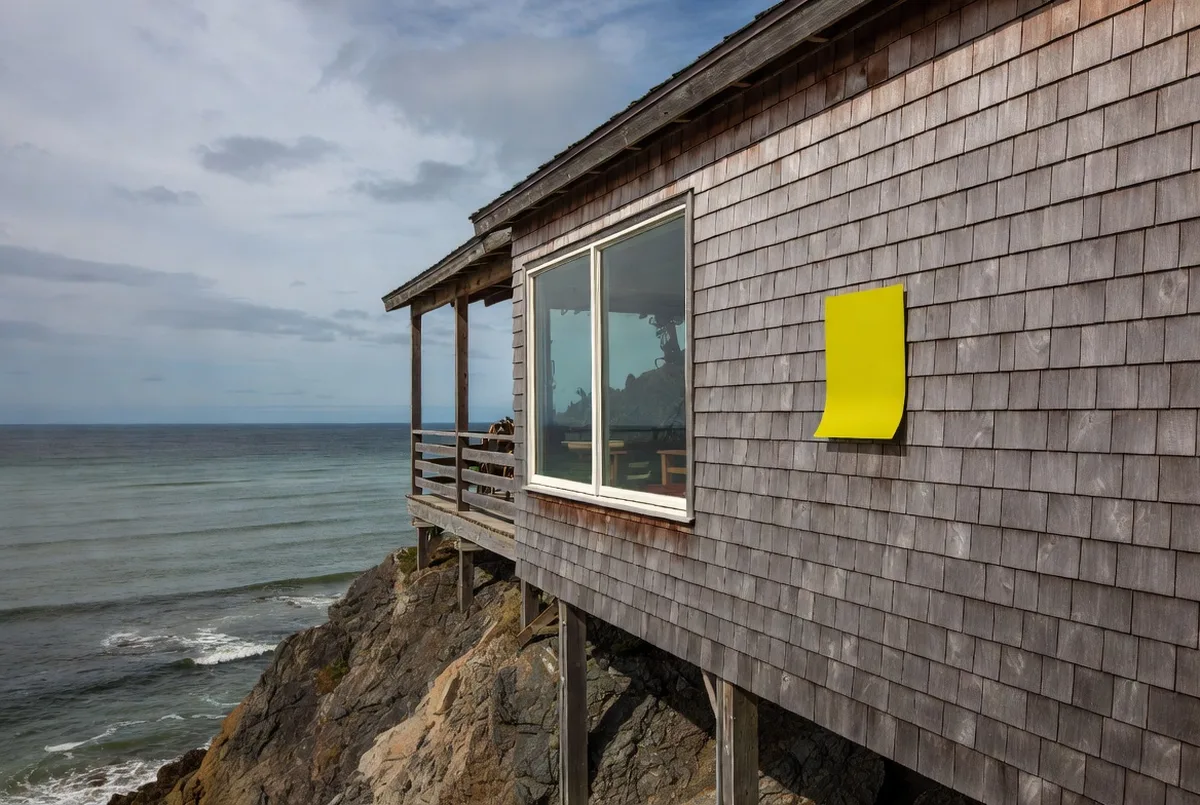
A coastal site attacks a building in three ways at once. Salt-laden air corrodes fixings, hardware and anything not specified for the exposure, which is why New Zealand construction standards define exposure zones and require more durable materials nearer the sea (NZS 3604). Wind drives rain at junctions that would never be tested inland, so detailing matters more than materials alone. And UV degrades finishes faster than people expect. The construction methods are familiar; the specification is not interchangeable with a sheltered site. Add the design response to wind, particularly a second sheltered outdoor space, and a coastal home is a pleasure rather than a maintenance burden.
Key Questions Answered
What does salt actually do to a house?
It corrodes metal, starting with fixings, brackets, hardware and fastenings, often before the visible materials show anything. New Zealand standards define exposure zones and require more durable specification closer to the sea (NZS 3604).
Why does wind matter beyond structure?
Because wind drives rain horizontally into junctions that would shed water easily inland. Weathertightness on an exposed site is decided by detailing at junctions and penetrations, not just by the cladding chosen.
What fails first on a coastal home?
Fixings and hardware, almost always. Hinges, handles, brackets, screws and fastenings degrade before cladding does, which is why specification of the small metal items matters disproportionately.
How should outdoor living be designed?
With two areas, one facing the view and one sheltered on the opposite side. The seaward space is unusable when the wind is up, so a sheltered alternative is what makes the home usable every day.
Is maintenance higher on the coast?
Yes, and it should be planned for. Regular washing down of cladding and hardware to remove salt accumulation is genuine maintenance, and many product warranties assume it has been done.
In This Guide
Key Takeaways
- Salt corrodes metal first: fixings, brackets and hardware fail before visible materials, so specification of small items matters disproportionately.
- New Zealand standards define exposure zones requiring more durable materials nearer the sea (NZS 3604); coastal specification is not interchangeable with inland.
- Wind-driven rain tests junctions that would shed water easily inland, making detailing the deciding factor in weathertightness.
- UV degrades exterior finishes faster on exposed coastal sites, so finish selection should assume it.
- Design two outdoor living areas, one seaward and one sheltered, so there is always a usable space whatever the wind is doing.
What does the coast actually do to a building?
Three things simultaneously, and they attack different parts. Salt-laden air corrodes metal, working on fixings, brackets, fastenings and hardware. Wind drives rain horizontally into junctions that would shed water without effort a few kilometres inland. And ultraviolet light works on exterior finishes harder than most people expect, particularly on the elevations that get sun and reflection off the water.
None of this makes coastal building difficult, and it is worth saying plainly that the setting is precisely why people build here. What it makes it is specific. The construction methods are entirely familiar; what changes is the specification and the detailing, and a coastal home built to inland specification will tell you about it in five to ten years.
Why do fixings and hardware fail first?
Because corrosion works on metal, and the metal in a house is mostly small, hidden and structural. Screws, nails, brackets, straps, flashings, hinges and handles all sit in the weather or close to it, and they degrade long before the cladding around them looks like anything is wrong. That is the awkward part: the failure is invisible until something moves, stains or comes loose, by which point the fix is intrusive.
New Zealand construction standards recognise this by defining exposure zones based on proximity to the sea and to breaking surf, with progressively more durable material requirements closer to the water (NZS 3604). The practical consequence is that using standard inland fixings on a coastal site is a false economy, and it is the single most common specification mistake we see. Getting the small metal items right costs little at build time and decides how the house ages.
Why does detailing matter more than materials here?
Because wind changes the physics of water on a building. Inland, rain mostly falls and drains. On an exposed coastal site it arrives horizontally, is driven into gaps, and is pushed upward against the direction water is supposed to run. Junctions that would never be tested elsewhere, around windows, at cladding transitions, at penetrations, become the places weathertightness is won or lost.
That puts the emphasis squarely on how things are drawn and built rather than on which product is chosen, which is the same argument as what sets a high-end build apart: the quality lives at the junctions. Exposed sites also frequently sit in high or very high wind zones, which affects bracing, fixings and glazing specification and is determined by assessment rather than assumption (NZS 3604).
How should a coastal home be designed, not just specified?
This is where most coastal homes are won or lost in daily life. The view faces the weather, so a single deck facing the sea is unusable on exactly the days the sea looks most dramatic. The move we use again and again is two outdoor living areas: one to the view, and one sheltered on the opposite side of the house. It means there is always somewhere to sit, and it turns a house you enjoy on calm days into one you use all year.
| Coastal factor | Design or specification response |
|---|---|
| Salt-laden air | Durable fixings, hardware and flashings for the exposure zone |
| Wind-driven rain | Junction detailing, flashings, considered penetrations |
| High wind zone | Structural bracing and glazing specified to the assessment |
| Unusable seaward deck | Second sheltered outdoor living area |
| Strong UV | Finishes and coatings chosen for degradation, not just colour |
| Salt accumulation | Planned wash-down maintenance regime |
Orientation deserves the same thought: the best view and the best sun are frequently in different directions, and resolving that tension is a design decision worth making deliberately, as covered in the best areas to build in Nelson Tasman.
What maintenance should you plan for?
Washing down, principally. Salt accumulates on cladding, joinery and hardware, and rinsing it off periodically is genuine maintenance rather than housekeeping, particularly on elevations that never get rain-washed because they sit under eaves or in shelter. Manufacturers commonly make cladding and joinery warranties conditional on it, so it is worth keeping a simple record that it has been done.
For a coastal holiday home this becomes a logistical question as well, because the house may be empty for weeks and nobody is there to notice a blocked gutter or a failing seal. Building somebody into the plan to check the place, and specifying for low maintenance in the first instance, both pay for themselves. Our guide to building a holiday home covers the wider lock-up-and-leave picture.
What is the bottom line?
The coast works on a building through salt, wind-driven rain and UV, and it finds the metal first. Specify fixings, hardware and flashings for the actual exposure zone rather than the inland default, detail the junctions as if they will be tested horizontally, because they will be, and assume finishes will work harder. Then design for the wind rather than merely resisting it, with a sheltered outdoor space alongside the seaward one.
Do that and a coastal home is simply a home in a beautiful place, with a wash-down on the maintenance list. If you are building anywhere along the Tasman coast, arrange a consultation and we will tell you what your particular exposure asks for.
Frequently Asked Questions
How close to the sea counts as coastal?
Closer than people assume, and it is not a single line. New Zealand construction standards set exposure zones based on proximity to the sea and to breaking surf, with more severe requirements nearer the water (NZS 3604). A site well back from the beach can still sit in an elevated exposure zone if it catches salt-laden wind, so it is assessed rather than eyeballed.
What specification changes on a coastal site?
Principally the metals. Fixings, fastenings, brackets, flashings and hardware need to suit the exposure, and using standard items nearer the sea is a false economy that shows up in five to ten years. Cladding and joinery selections tighten too, and coatings need to be chosen for salt and UV rather than appearance alone.
Does a coastal site need different structure?
Often, because exposed coastal sites frequently sit in high or very high wind zones, which affects bracing, fixings and glazing specification (NZS 3604). That is a structural design question determined by the site assessment rather than something to assume either way.
What maintenance does a coastal home need?
Regular washing down of cladding, joinery and hardware to remove accumulated salt, plus the usual gutter and drainage checks. It is not onerous but it is real, and manufacturers commonly make warranties conditional on it. Coastal holiday homes need someone doing this even when nobody is staying.
Can we still have big windows facing the sea?
Yes, with the glazing and framing specified for the exposure and with shading considered, since coastal sites often combine wind with strong sun. The bigger design question is usually not the window but the outdoor space beside it, which is where exposure is actually felt.
Is it worth building on the coast at all?
For plenty of people, obviously yes; the setting is why this region is what it is. The point is not to be discouraged but to specify honestly for the environment, because a coastal home built to inland specification becomes a maintenance problem, while one specified properly is simply a home in a beautiful place.
Research Report: Coastal Construction in Tasman
Read Full ReportCorrosion exposure, wind-driven rain and design response on exposed sites.
Planning a build in Nelson Tasman?
Talk to Ecotectural early and keep control of your design and budget from day one.
Arrange a consultation