

Building a Second Home or Bach in Tasman Without Compromise
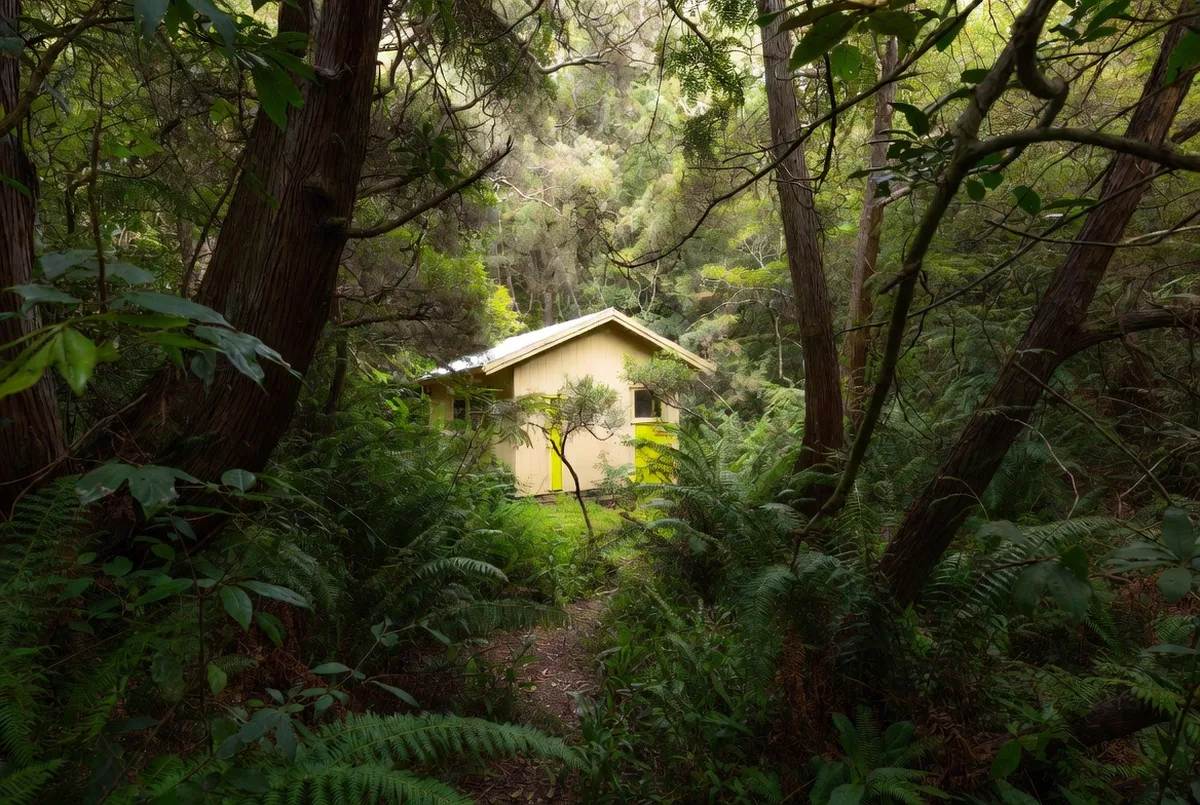
A second home is a different financial decision from a first one, because you are buying something you will use intermittently and pay for continuously. Lending is usually assessed differently, you carry rates, insurance and maintenance year-round, and any rental income comes with its own obligations. The pattern we see work best is smaller and better rather than larger and thinner: a modest, well-built home that is a pleasure to arrive at beats a big one that is cold, needs constant attention and quietly resents being left alone. Decide the use pattern honestly first, then size and specify to that, rather than building the house you would want if you lived there permanently.
Key Questions Answered
How is financing a second home different?
Lenders generally assess it differently from an owner-occupied home, often expecting more equity, and they will look at how you service it. Talk to your bank early, because the structure can shape what you build.
What does it cost to hold, not just build?
Rates, insurance, maintenance, power and any body corporate or management costs run all year while you use the place for a few weeks. Those holding costs are the part people underestimate.
How big should a second home be?
Usually smaller than people first plan. Size drives both build cost and holding cost, and a compact, well-designed home that sleeps who you actually bring is far better value than rooms that stay empty.
Should you rent it out?
Only with your eyes open. Rental income helps, but it changes durability requirements, insurance, and how the house has to be managed and cleaned. Decide before you design, not after.
What is the biggest mistake?
Building a large, lightly specified house instead of a smaller, properly built one. The big one costs more to hold, is less pleasant to arrive at, and is the version that ends up cold and neglected.
In This Guide
Key Takeaways
- A second home is bought intermittently and paid for continuously; holding costs run all year regardless of use.
- Lending on a second property is typically assessed differently and often requires more equity, so involve your bank early.
- Smaller and better beats larger and thinner: size drives build cost, holding cost and the temptation to under-specify.
- Renting it out changes durability, insurance and management requirements and should be decided before design.
- Specify to the real use pattern rather than to the home you would build if you lived there permanently.
Why is a second home a different financial decision?
Because the pattern of use and the pattern of payment do not match. You will use the place in bursts, holidays, long weekends, a stretch over summer, and you will pay for it every single week of the year. Rates, insurance, power, maintenance and any management continue whether or not anyone is there. That gap between intermittent enjoyment and continuous cost is the thing people underestimate, and it is what makes size such a consequential decision.
Lending works differently too. A second property is generally assessed on a different basis from an owner-occupied home, often with more equity expected, and the bank will want to understand how you service it. Have that conversation early, because the answer shapes what you can sensibly build, exactly as it does on a first home in our guide to financing a new build.
Why does smaller and better usually win?
Because every ongoing cost scales with the building, and because a smaller budget spread over a smaller house buys a better house. Floor area drives the build cost, then keeps charging you through rates, insurance, heating and maintenance for as long as you own it. Meanwhile the rooms that tipped it over the line are usually the ones nobody sleeps in. Compact and generous is a real thing: rooms that are well proportioned, well lit and well connected feel bigger than their measurements.
| Decision | Larger and thinner | Smaller and better |
|---|---|---|
| Build cost | Higher | Lower |
| Holding cost | Higher every year | Lower every year |
| Envelope quality | Budget stretched thin | Budget concentrated |
| Arriving to it | Often cold and stale | Dry, fresh, ready |
| Maintenance | More surface, more jobs | Less to look after |
The practical rule: size it for who you actually bring, most of the time, not for the largest gathering you can imagine. Guests can be accommodated cleverly without carrying empty bedrooms for fifty weeks a year.
What should you refuse to compromise on?
The envelope. Insulation, airtightness and ventilation are the parts that let the house sit empty for weeks and still be dry and pleasant when you open the door, and they are the parts that cannot be added afterwards without pulling the building apart. Finishes can be modest and upgraded later; a thin envelope is a permanent condition. This is the single most common false economy in second homes, and it is why we treat it as non-negotiable.
The full argument, and the reason an empty house needs more performance rather than less, is in building a holiday home in Nelson Tasman. If you read one thing before setting a budget for a bach, make it that.
Should you rent it out?
It can work well, and it should be a decision made before you design rather than a thought you have afterwards. Guest use raises the durability bar, because things get used harder by people who do not own them. It affects layout, storage and how easily the place can be cleaned and turned over. It changes your insurance position, and it introduces management, whether you do it yourself or pay someone. None of that is a reason not to, but all of it is cheaper to design for than to retrofit.
Be honest in the numbers too. Rental income on a holiday property is seasonal and comes with costs attached, so treat it as a contribution rather than a plan that makes an otherwise unaffordable house affordable. If the purchase only works on optimistic occupancy, it is a fragile decision.
Can you stage it, and how do you manage the build?
Staging is often sensible and works when it is planned at design stage: the first stage has to be complete, weathertight and genuinely liveable on its own, with the later work designed to connect cleanly. What does not work is starting a large house and stopping when the money runs out, which leaves you with something permanently half-finished and hard to finish well later.
Most second homes are also built by people who do not live nearby, which shifts the weight of the decision onto the builder’s communication. You are not going to call in on the way home, so you are relying on regular budget and progress reporting, and on hearing about problems early enough to have options. That is worth more than any other single factor when you are managing from a distance, and it is the theme of the questions to ask before you sign.
What is the bottom line?
Buy and build a second home for the life you will actually live in it. Understand the holding costs, which run all year, and let them push you toward smaller and better rather than larger and thinner. Protect the envelope above all else, because it is what makes the house pleasant to arrive at and impossible to fix cheaply later. Decide about guests before you design, stage it deliberately if you stage it at all, and choose a builder whose reporting you trust if you are not going to be there.
If you are planning a second home or bach in Tasman, arrange a consultation. We will help you size it honestly and put the money where it will still be paying you back in twenty years.
Frequently Asked Questions
Is a bach a good investment?
Treat it primarily as a lifestyle purchase that may hold value, rather than as an investment that happens to be enjoyable. If the numbers only work on assumed capital gain or optimistic rental, the decision is fragile. If it works as a place your family will genuinely use, the rest is upside.
How much should we allow for holding costs?
More than you expect, and budget them annually rather than mentally attaching them to the weeks you visit. Rates, insurance, power, maintenance and any management or cleaning all continue while the house sits. Insurance on a coastal property in particular deserves a real quote early, not an assumption.
Does building smaller really save that much?
Yes, twice over. It lowers the build cost, and it lowers everything that scales with the building afterwards. It also concentrates your budget into doing a smaller home properly, which is exactly what an intermittently occupied house needs.
What should we not compromise on?
The envelope. Insulation, airtightness and ventilation are what let the house sit empty without going damp and stale, and they cannot be added later without opening the building up. Compromise on floor area and finishes before you compromise on those.
Can we build it in stages?
Often yes, and it can be a sensible way to get onto the site sooner. The key is to plan the staging at design time so the first stage is complete and weathertight on its own and the later work connects cleanly, rather than leaving a building that is permanently half-finished.
How do we manage a build we cannot visit often?
Choose a builder who reports properly. Regular budget and progress updates, photos, and early warning when something needs a decision. If you are not going to be dropping by, the quality of communication becomes the single most important thing you are buying.
Research Report: Second Homes and Baches in Tasman
Read Full ReportHolding costs, sizing discipline and the case for smaller and better.
Planning a build in Nelson Tasman?
Talk to Ecotectural early and keep control of your design and budget from day one.
Arrange a consultation