

Building a Holiday Home in Nelson Tasman: What to Know First
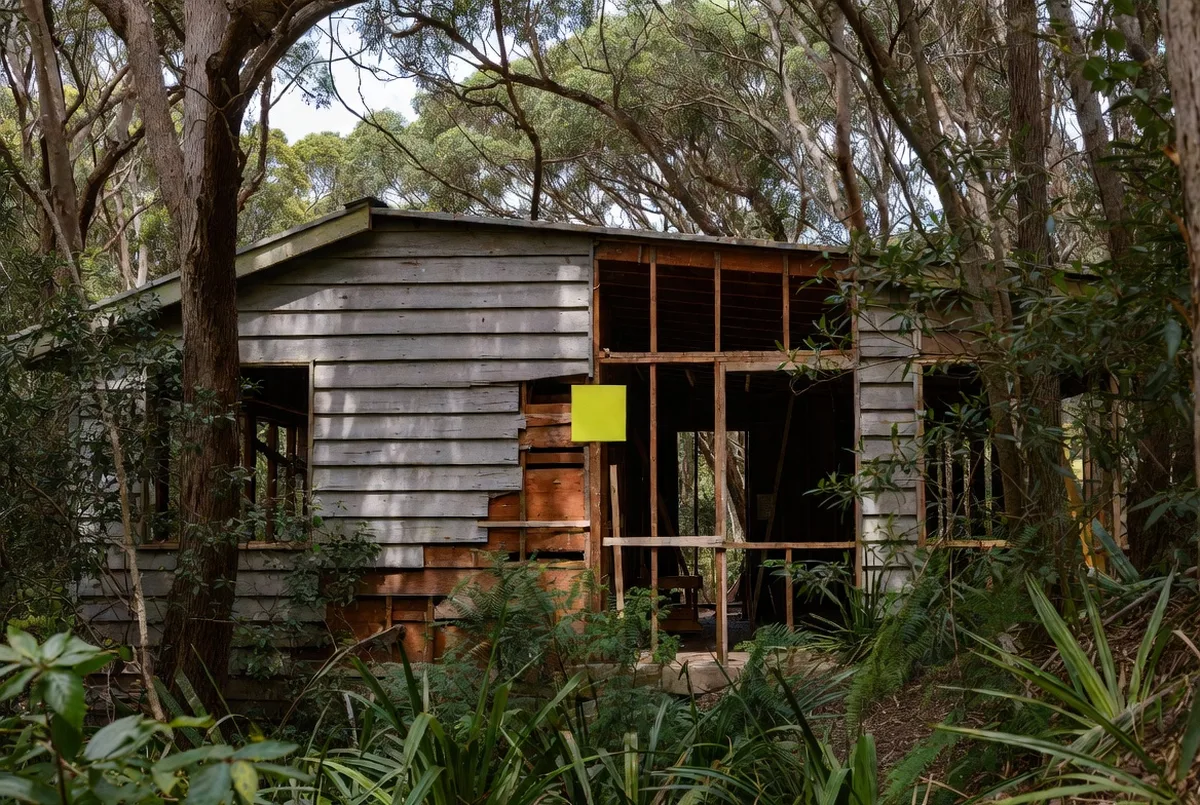
A holiday home is the building type most often under-specified and the one that punishes it hardest. A house that sits empty for weeks cannot be aired out by its occupants, so a poorly built bach goes cold, damp and mouldy between visits, and you arrive to a house that smells of neglect. The answer is counter-intuitive: an intermittently occupied home needs more performance, not less, because the building has to look after itself. Build a continuous insulated and airtight envelope with proper mechanical ventilation, specify materials for coastal exposure and low maintenance, and design it to be locked up and left without worry.
Key Questions Answered
Does a holiday home need less performance?
The opposite. When nobody is there to open windows or run heating, the building has to manage moisture and temperature itself, so insulation, airtightness and ventilation matter more than in a permanently occupied home.
Why do baches get damp and mouldy?
Because they are shut up for long periods with no ventilation, often poorly insulated, so moisture condenses on cold surfaces and has nothing to remove it. Mould does not need occupants, it needs damp and still air.
What does lock-up-and-leave design mean?
A home you can close and walk away from safely: secure and weathertight, ventilation that keeps running unattended, low-maintenance materials, and services that will not fail unnoticed while you are away.
What do coastal sites demand?
More durable specification. Salt exposure, wind and UV are harder on fixings, joinery and cladding, so material and hardware choices need to suit the environment rather than a sheltered inland site.
Should I plan to rent it out?
Decide early, because it changes the design, the durability specification and sometimes the consenting and insurance. Retrofitting a house for guests after the fact is far less satisfactory than designing for it.
In This Guide
Key Takeaways
- An intermittently occupied home needs more performance, not less, because the building must manage temperature and moisture without occupants.
- Mould in baches comes from damp, still air over long empty periods, so continuous ventilation matters more than in a lived-in house (PHINZ).
- Lock-up-and-leave design means secure, weathertight, low-maintenance, with services and ventilation that run safely unattended.
- Coastal Nelson Tasman sites demand durable specification: salt, wind and UV are hard on fixings, joinery and cladding.
- Decide about renting it out at design stage, since it affects durability, layout, insurance and sometimes consenting.
Why does a holiday home need more performance, not less?
Because for most of the year there is nobody in it. In a lived-in house the occupants are constantly, unconsciously managing the building: opening windows, running heating, noticing a musty smell and doing something about it. An empty house has none of that. Whatever the building does on its own is what happens, for weeks at a time, and a house that cannot manage its own temperature and moisture will slowly go cold, damp and stale until someone arrives and opens the doors.
This is exactly backwards from how most baches get specified. The instinct is that a place used occasionally deserves a lighter build, and it is the type of home where under-specifying costs the most. Build the envelope properly, insulated continuously, airtight, ventilated, and the house looks after itself between visits. Our guide to whether a passive house is worth it makes the same case for permanent homes; for holiday homes it is stronger.
What actually causes the damp bach problem?
Moisture with nowhere to go and no air movement to carry it away. Even an empty house takes on moisture, from the ground, from the air, from any small leak, and in a cold, poorly insulated building it condenses on the coldest surfaces. Shut the place up for six weeks and you have created ideal conditions for mould: damp, still, undisturbed. That smell you notice when you open the door is the building telling you what has been happening.
Heating alone does not solve it, which surprises people. Warming damp air without exchanging it just gives you warm damp air. What an empty house needs is continuous, low-level ventilation, and mechanical ventilation with heat recovery does exactly that at very small running cost, quietly, whether or not anyone is home (PHINZ). Paired with a well-insulated envelope, it is the single most valuable thing you can put in a holiday home. Our guide to indoor air and health explains the mechanism in full.
What does building lock-up-and-leave properly involve?
It means designing a house that copes alone. Secure and weathertight, obviously, but also low-maintenance in its materials so that time away does not accumulate a jobs list. Ventilation that keeps running unattended. Services arranged so a failure is unlikely and, if it happens, is contained rather than quietly destructive; a small leak discovered six weeks later is a very different problem from one noticed the same evening. And a practical plan for who has eyes on the place between visits.
| Design for | Why it matters when empty |
|---|---|
| Continuous insulation and airtightness | The house holds its condition without occupants |
| Mechanical ventilation | Moves air and removes moisture unattended |
| Durable, low-maintenance materials | Time away does not become a jobs list |
| Contained services | A failure does not go unnoticed for weeks |
| Security and sightlines | Designed in, not bolted on later |
None of this is exotic. It is ordinary good building, chosen deliberately for a house that spends most of its life on its own.
What do Nelson Tasman coastal sites demand?
A harder specification than an inland site, because the environment is harder. Salt-laden air goes after fixings, hardware and anything not chosen for the exposure. Wind drives rain at junctions that would never be tested inland, which puts the emphasis back on detailing. UV works on finishes faster than people expect. The construction methods are familiar; the material and hardware choices are not interchangeable with a sheltered site, and getting them wrong shows up in five years rather than twenty.
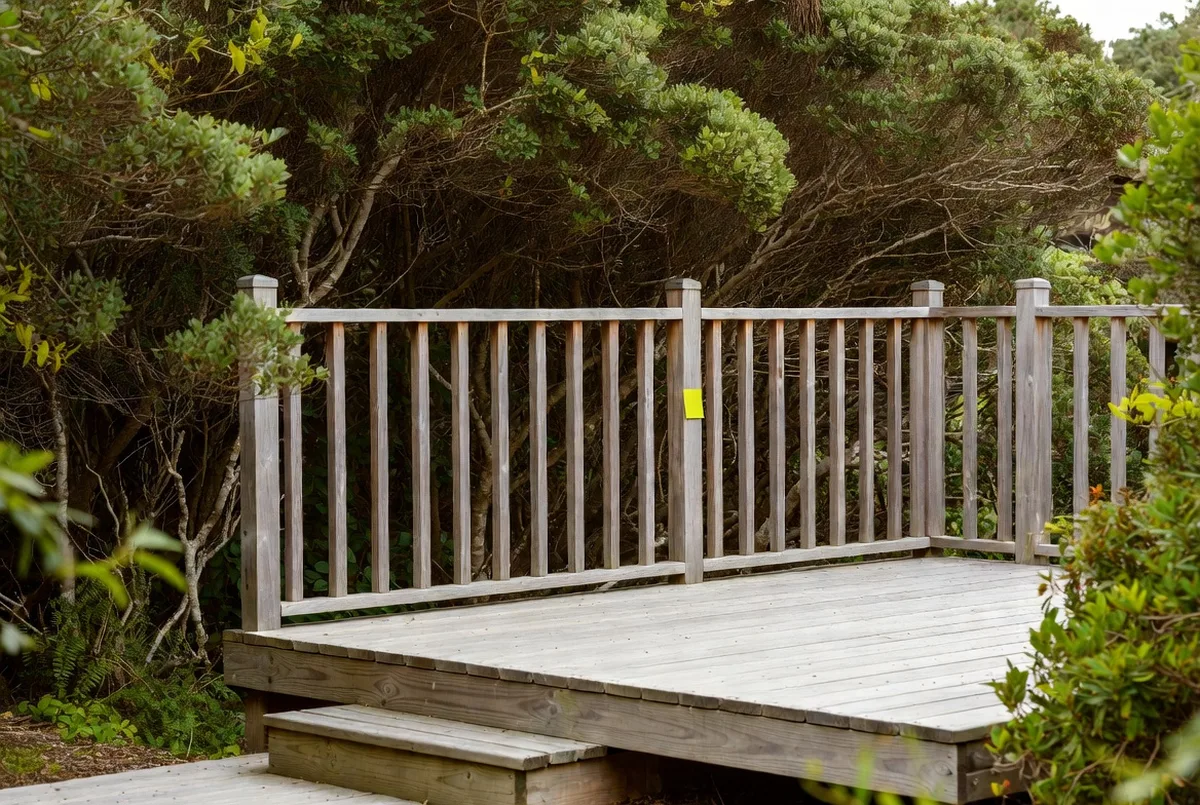
The other coastal reality is wind on the outdoor spaces, and it is the one that most affects how the place is actually enjoyed. A deck facing the view alone is unusable on the days the wind is up. Two outdoor areas, one to the view and one sheltered on the other side, means there is always somewhere to sit, which matters more on a holiday home than anywhere else. We cover that and the regional sites in the best areas to build in Nelson Tasman.
What if you plan to rent it out, or build from out of town?
Decide about renting at design stage, not afterwards. Guest use changes durability expectations, influences layout and storage, and can affect insurance and sometimes consenting. A house designed from the start to take guests holds up far better than one adapted to it later, and the decisions involved are cheap on paper and expensive to retrofit.
Many holiday homes are also built by owners who do not live nearby, which puts more weight on the builder’s project management and communication than on any other single factor. You are not going to drop in on Friday afternoon to see how it is going, so you need a builder who reports properly and raises problems early. That is the whole subject of choosing a builder in this region, and it matters doubly when you are managing from a distance.
What is the bottom line?
Build a holiday home better than you think it needs, because it has to look after itself for most of its life. Continuous insulation, airtightness and mechanical ventilation keep it dry and fresh while it stands empty; durable coastal-appropriate materials keep maintenance down; lock-up-and-leave thinking keeps a small failure from becoming a large one. Design two outdoor areas so the wind never takes the day off you, and decide about guests before you draw it, not after.
If you are planning a holiday home anywhere from Kaiteriteri to Golden Bay, arrange a consultation. We build in these conditions regularly and can tell you early which decisions will matter most on your particular site.
Frequently Asked Questions
Why is a high-performance holiday home worth the money if we only visit sometimes?
Because the house is empty most of the time and has to look after itself. A well-insulated, airtight, ventilated home stays dry and stable while you are away, so you arrive to a house that feels fresh instead of one that needs two days of airing. It also protects the building itself, which is the larger investment.
Can we just leave a heat pump running?
You can, and it helps with temperature, but it does not solve moisture on its own. Air needs to be exchanged, not just warmed, or you are heating damp air. Mechanical ventilation with heat recovery keeps fresh air moving continuously at very low running cost, which is what an empty house actually needs (PHINZ).
What maintenance should I plan for?
Less, if you specify for it. Choose claddings, joinery and hardware suited to the exposure, avoid finishes that need frequent attention, and think about who checks the property between visits. Every maintenance item you design out is one you will not be driving over to deal with.
Does a coastal site need different construction?
It needs a harder specification. Salt-laden air attacks fixings and hardware, wind drives rain at junctions, and UV degrades finishes faster. The building method is familiar, the material and detail choices are not, which is where local experience earns its place. Our coastal guidance covers the specifics.
What about security while we are away?
Design it in rather than adding it later: sensible sightlines, solid hardware, and a plan for who has eyes on the place. It is also worth thinking about what happens if a service fails unnoticed, since a small leak found six weeks later is a very different problem.
Is a holiday home cheaper to build than a permanent home?
Not if you build it properly, and building it improperly is a false economy on a house that has to survive on its own. Size can be modest, but the envelope and detailing should be no less careful than a home you live in daily.
Research Report: Holiday Homes in Nelson Tasman
Read Full ReportIntermittent occupancy, moisture risk and lock-up-and-leave specification.
Planning a build in Nelson Tasman?
Talk to Ecotectural early and keep control of your design and budget from day one.
Arrange a consultation